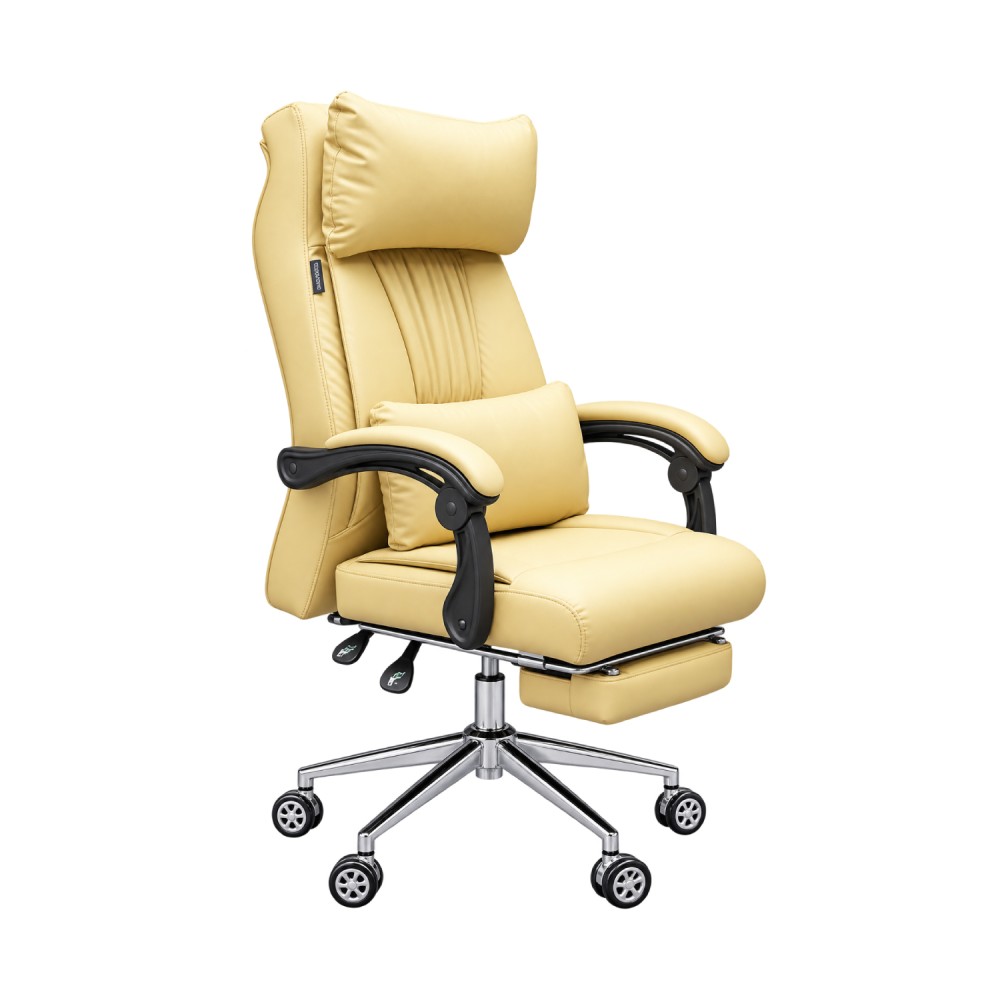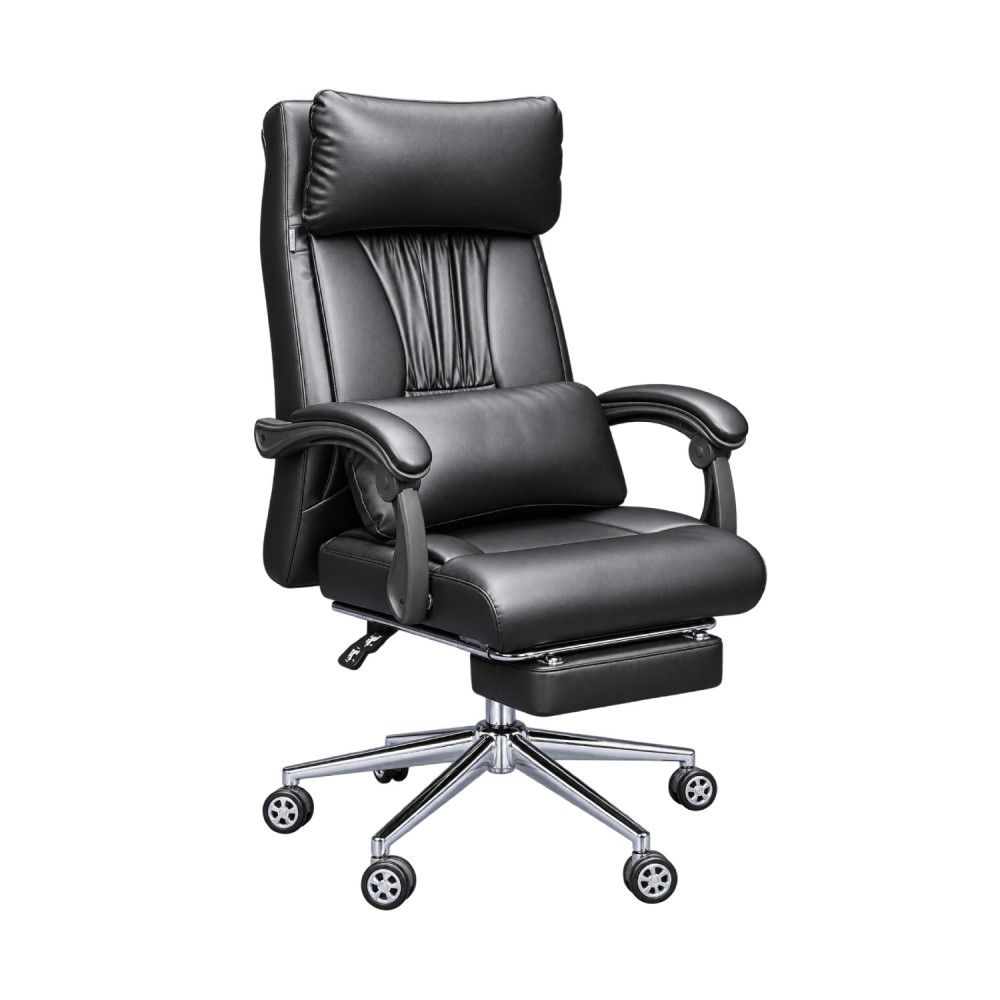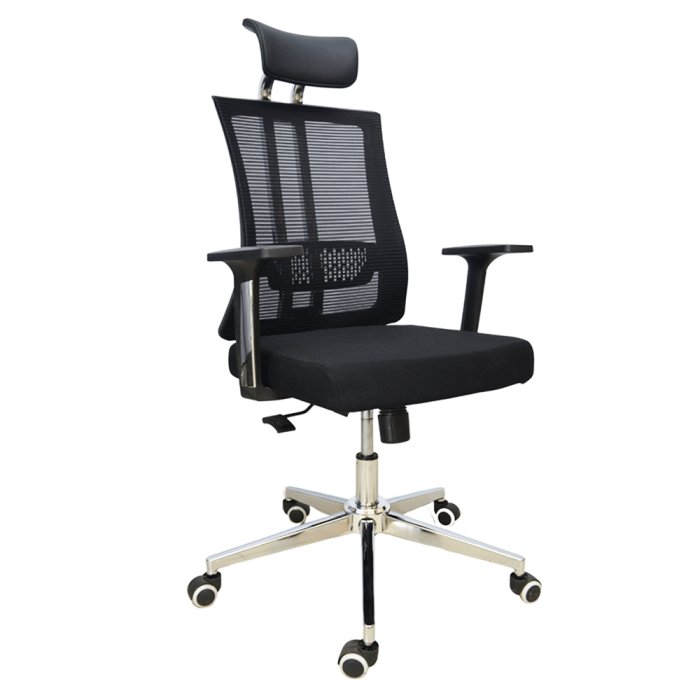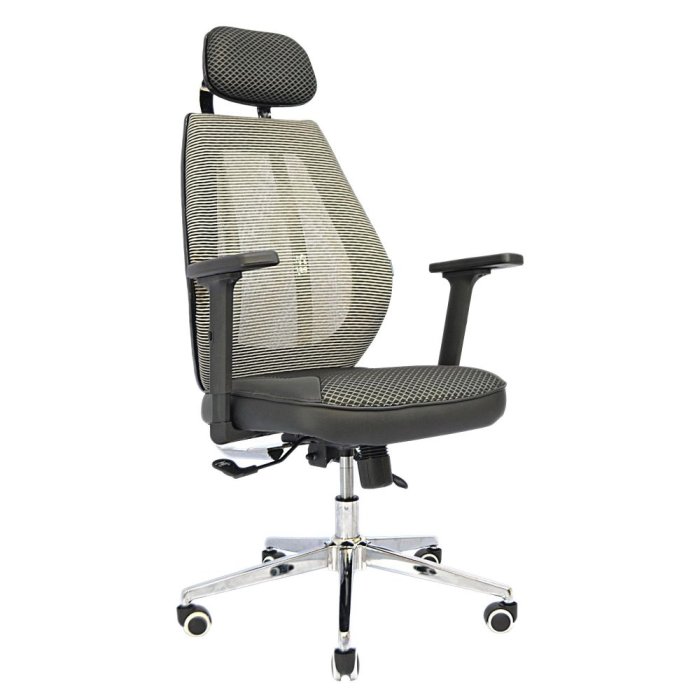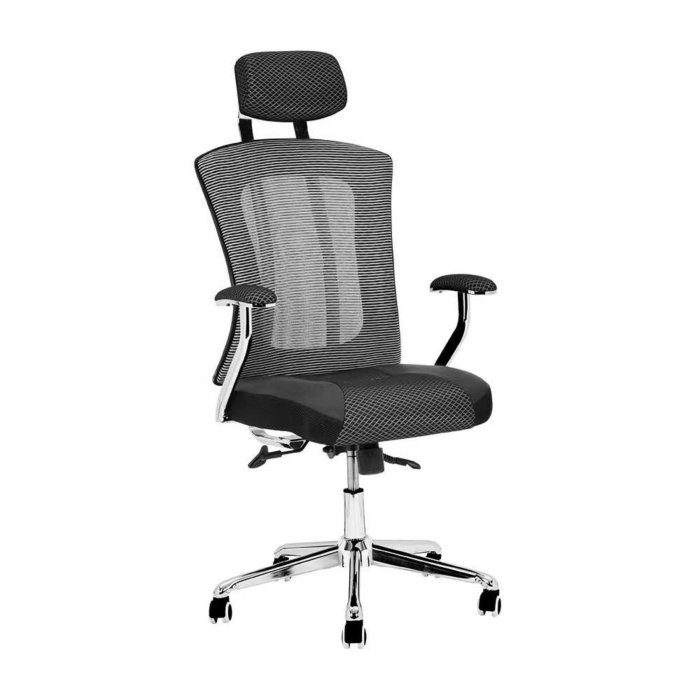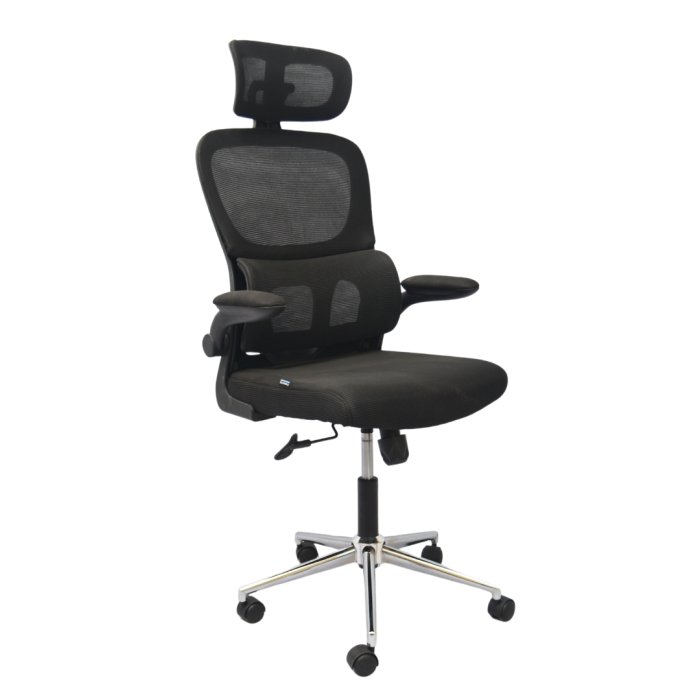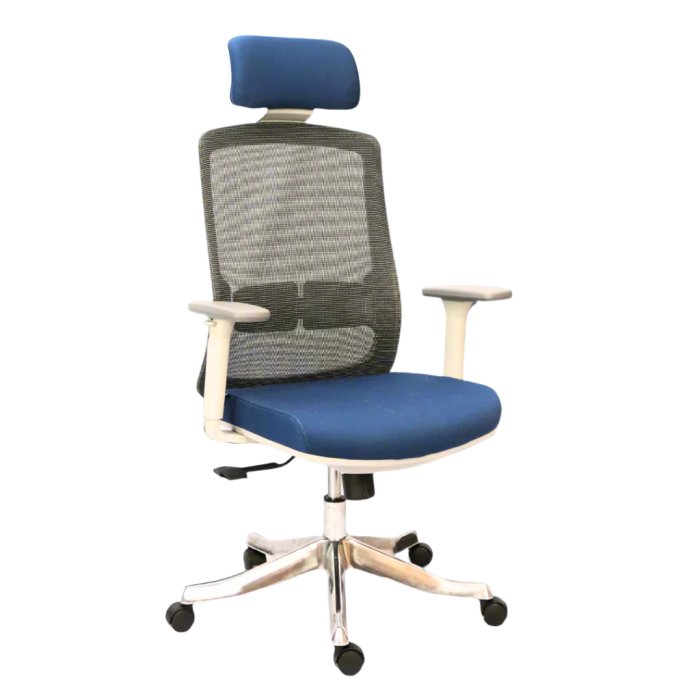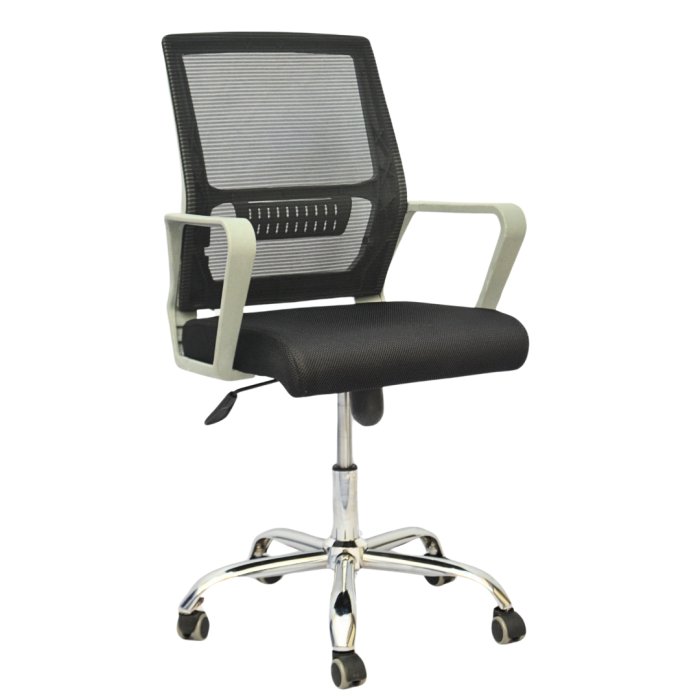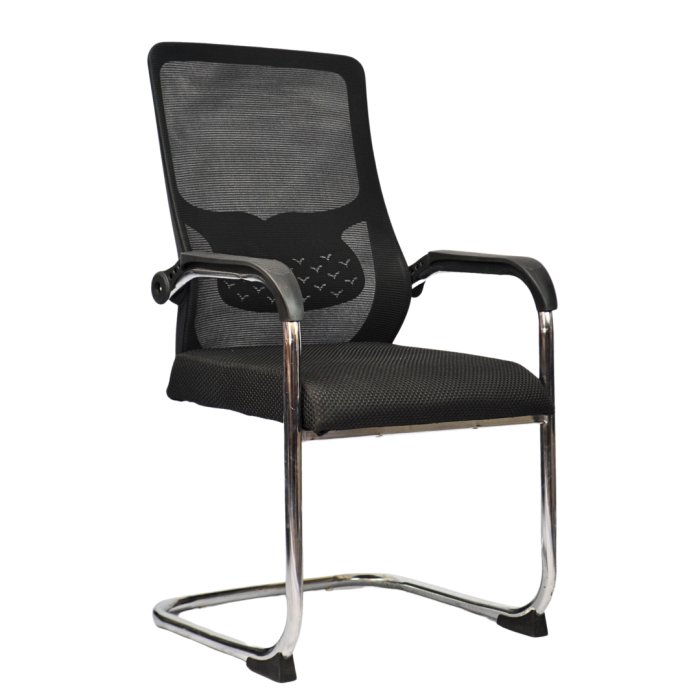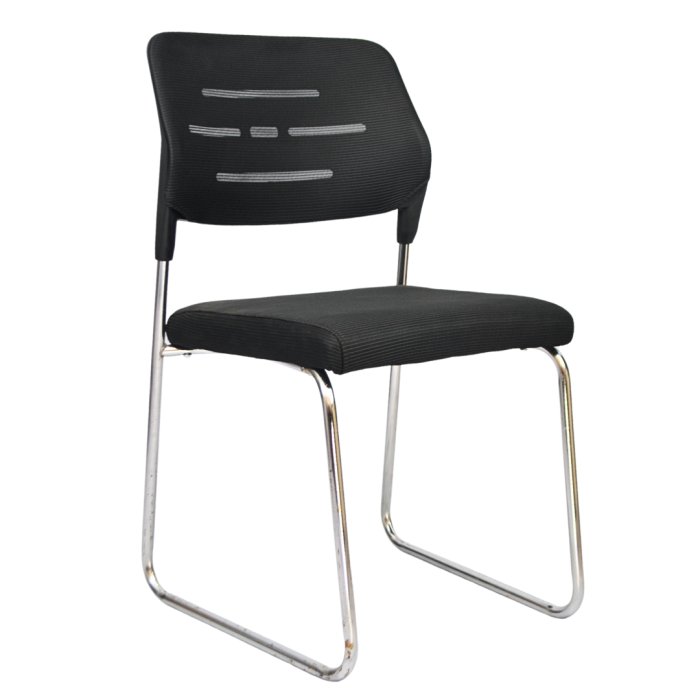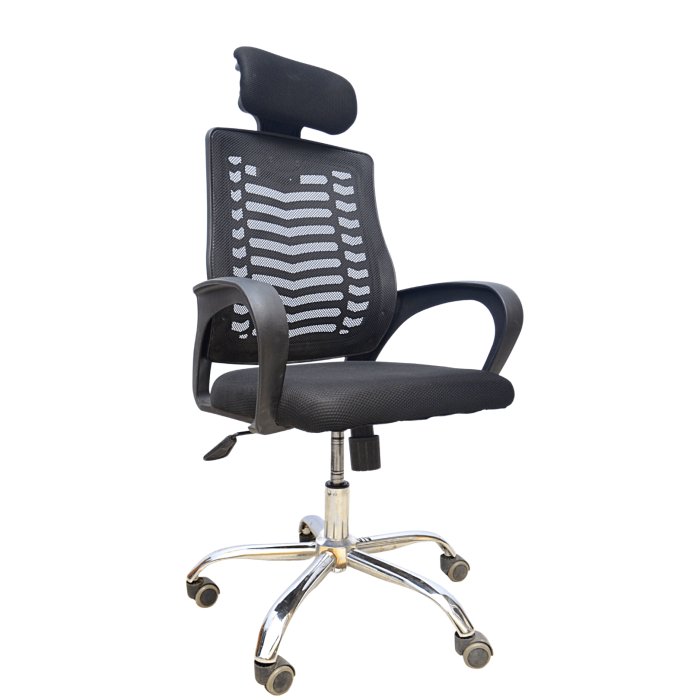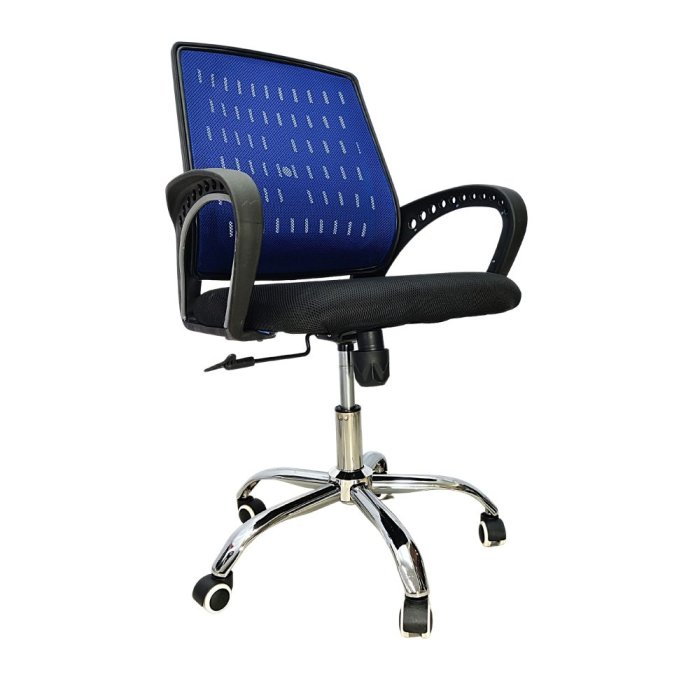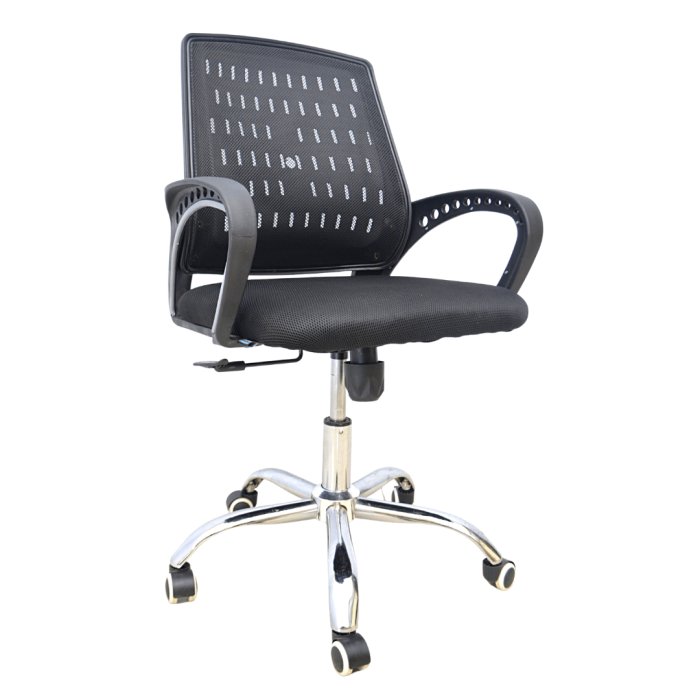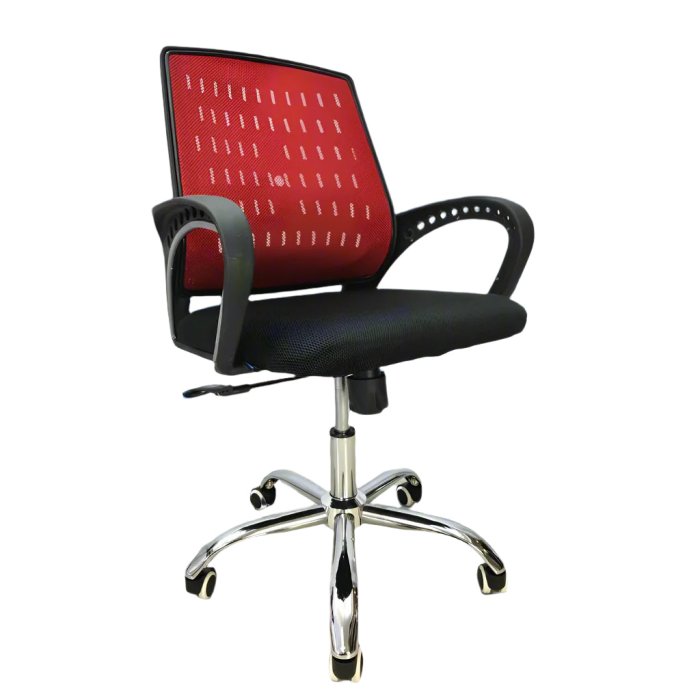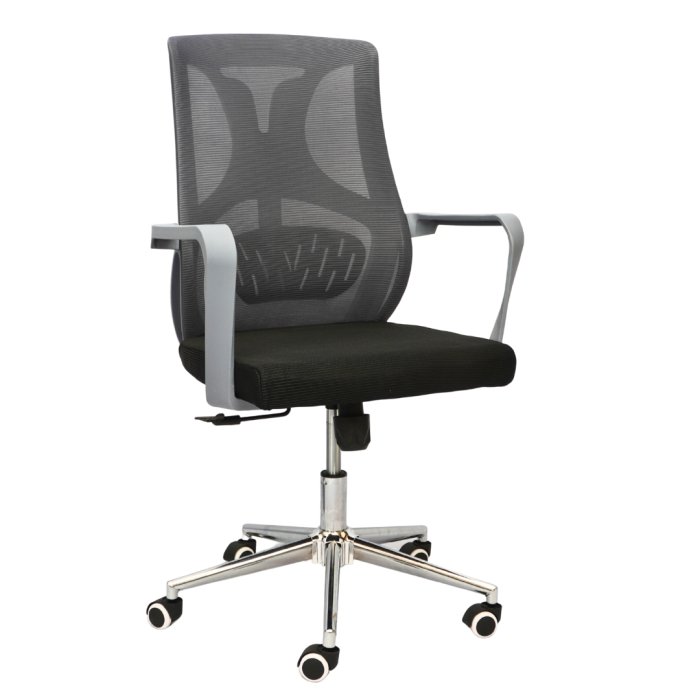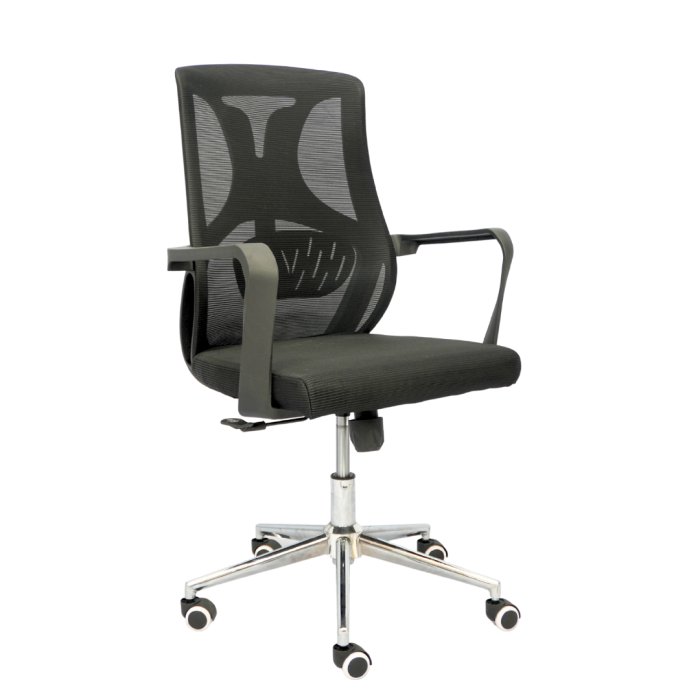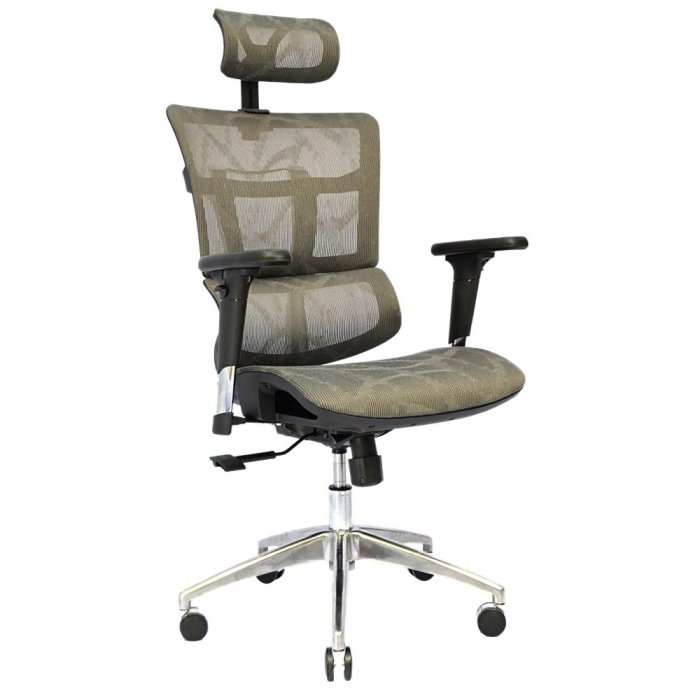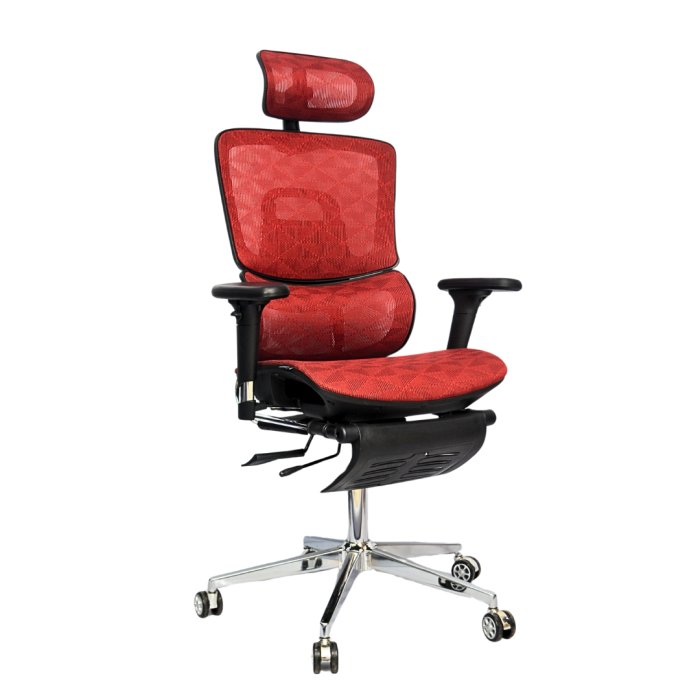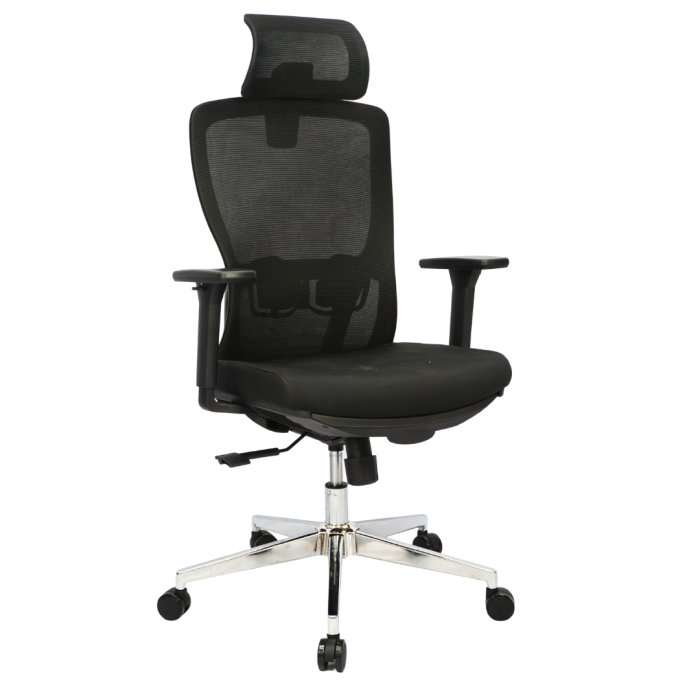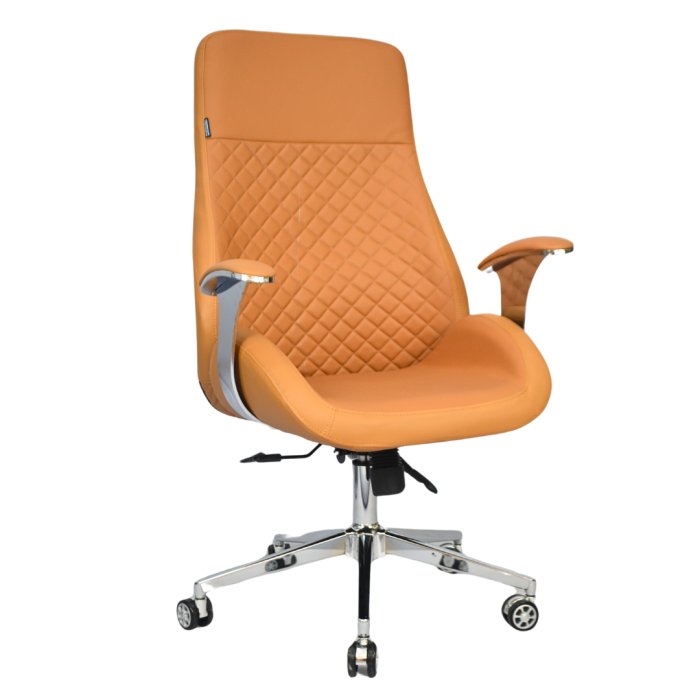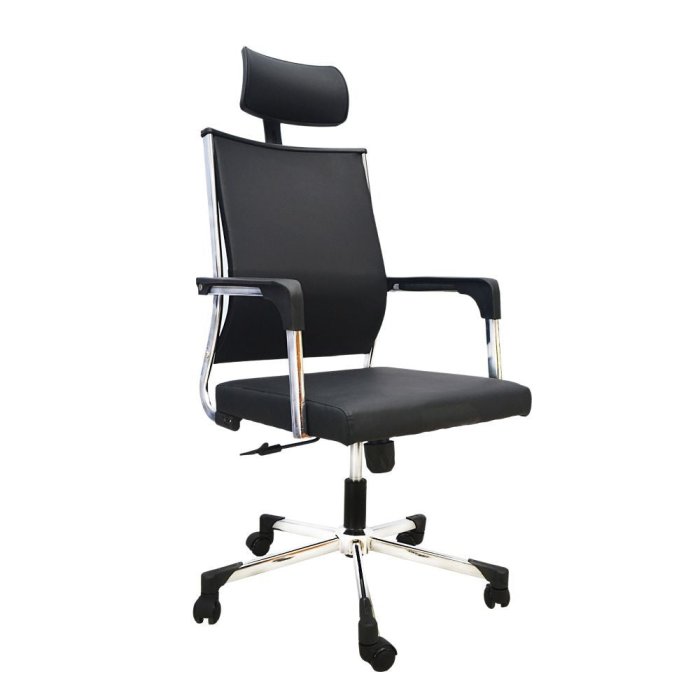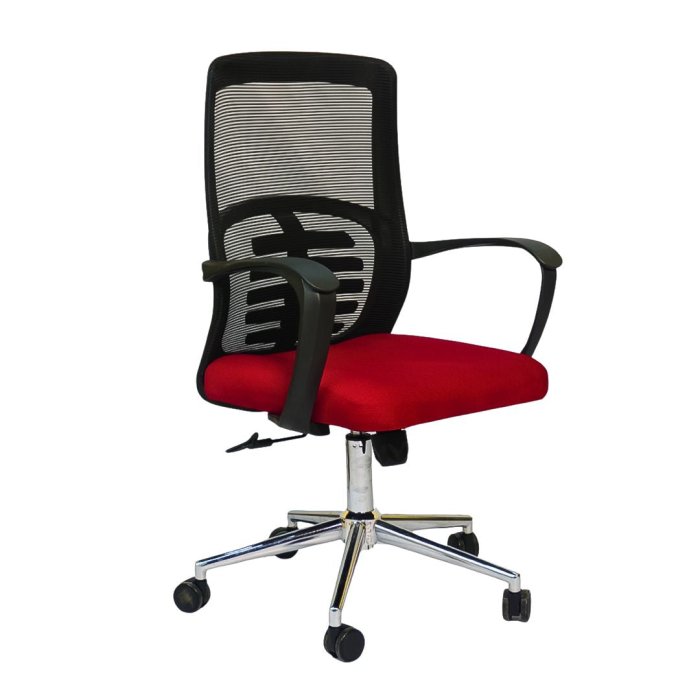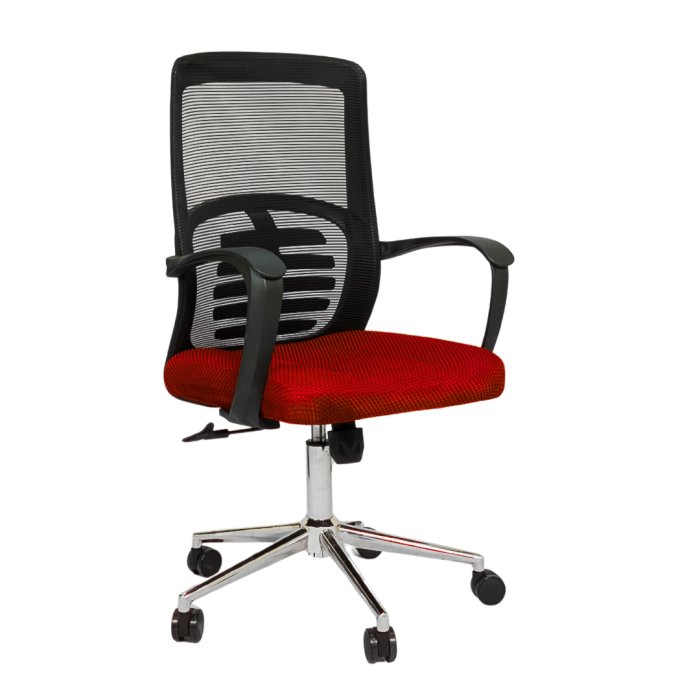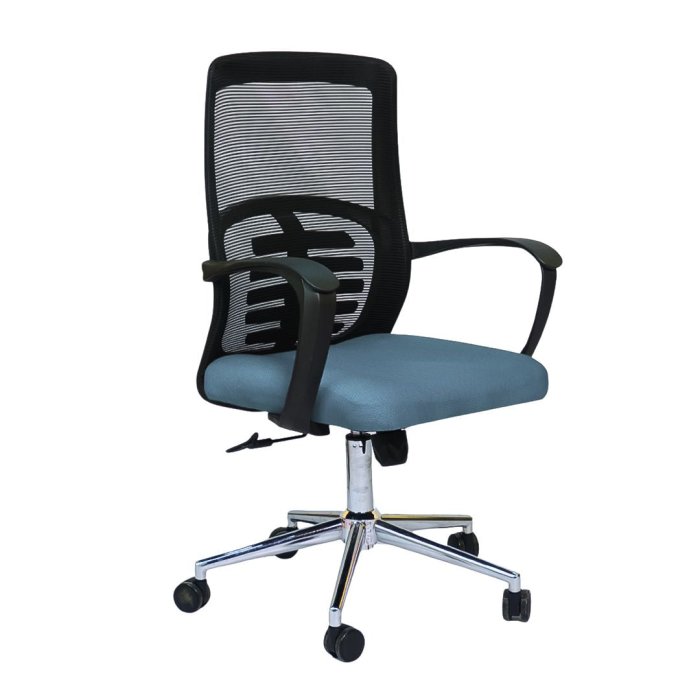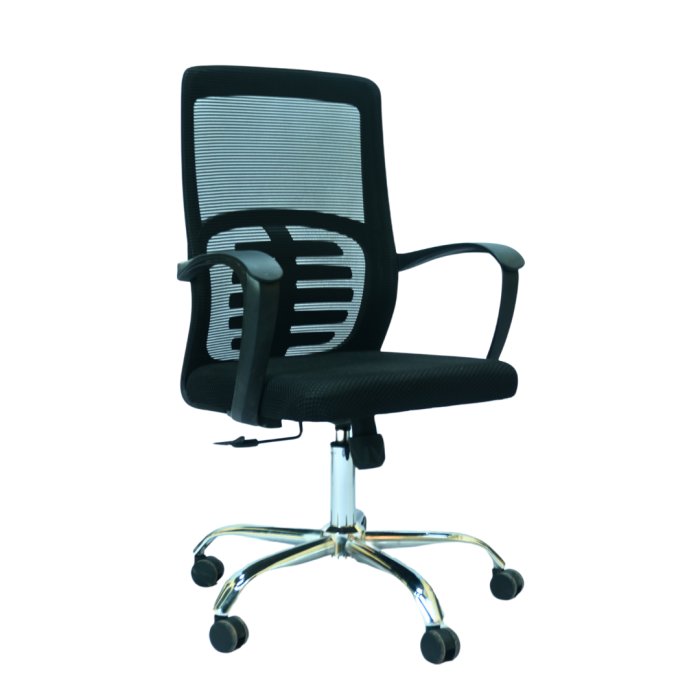
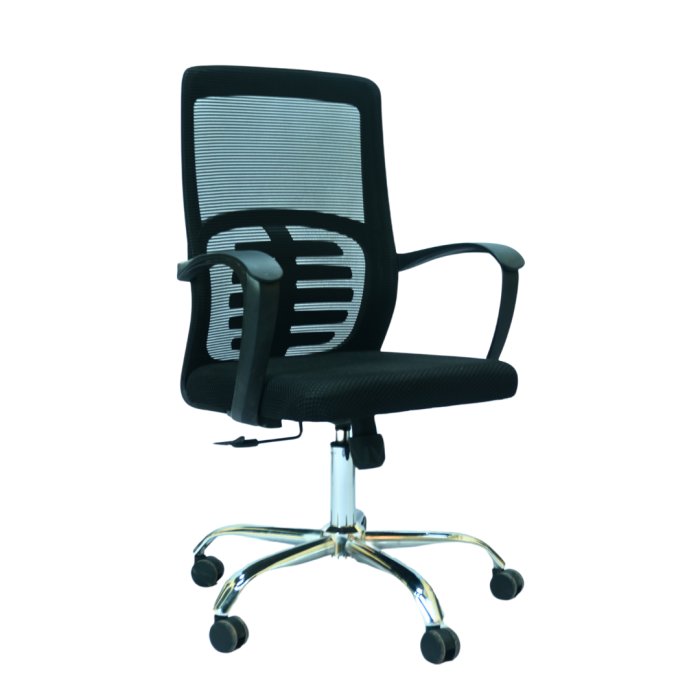
Hydraulic Chair (FT-J166-B) Black
7748 tk 8414 tk
প্রোডাক্ট কোড: 568
| ঢাকার ভিতরে ডেলিভারি | ৳ 60 |
| ঢাকার বাইরে ডেলিভারি | ৳ 130 |
পন্যের বিবরণ
Hydraulic Chair FT-J166-B: Professional Seating for Your Workspace
The Hydraulic Chair FT-J166-B in black is engineered for professionals who spend extended hours at their desk. This general-purpose office chair combines practical design with functional comfort, making it an ideal choice for corporate offices, home workspaces, and professional environments across Bangladesh. Built with a hydraulic lifting mechanism, this chair adapts to your daily work routine with smooth height adjustment that requires minimal effort.
Whether you're handling paperwork, attending video calls, or managing administrative tasks, the FT-J166-B supports your posture throughout the workday. The black finish presents a clean, professional appearance that complements any office setting—from modern corporate spaces to traditional business environments.
Build Quality and Construction
The Hydraulic Chair FT-J166-B is constructed to withstand regular workplace use. The hydraulic system provides reliable height adjustment without the wear that manual mechanisms experience over time. The structural design prioritizes stability, essential for anyone who shifts positions frequently during their workday. The black color choice offers practical durability, resisting visible dust and minor marks that accumulate in busy office environments.
The chair's frame is built to handle the demands of an active workspace where users move in and out of their seat multiple times daily. The base and support structure distribute weight evenly, contributing to the chair's longevity in professional settings.
Sizing and Workspace Integration
The FT-J166-B is designed as a standard office chair suitable for most desk heights found in Bangladeshi workplaces. Before purchase, measure your desk height and ensure adequate clearance above your workspace. The chair's overall proportions fit comfortably under most standard desks, and the hydraulic mechanism allows you to fine-tune your sitting height to match your individual workspace setup.
Consider the space around your desk when evaluating this chair. The base footprint is typical for office seating, and the chair operates within standard office dimensions. This makes it compatible with cubicles, private offices, shared workspaces, and home office setups.
Daily Use at Your Desk
The hydraulic lift mechanism is the standout feature for daily workplace comfort. Rather than struggling with manual adjustments, you control your height with simple hand or foot operation. This becomes especially valuable when multiple people share a workspace, or when you need to adjust your position multiple times throughout your workday.
The black upholstery maintains a professional appearance through regular office use. Dust and minor spills are less visible than lighter colors, reducing the need for frequent cleaning. For professionals concerned with workplace presentation, this chair delivers neutral, polished aesthetics alongside practical functionality.
Practical Benefits for Office Work
The Hydraulic Chair FT-J166-B addresses common workplace challenges. Easy height adjustment accommodates different desk setups without requiring tools or assistance. The hydraulic system means smooth operation—no sudden drops or sticky mechanisms that frustrate office workers. The stable base supports movement throughout your shift, from sitting upright for focused work to slight recline during phone calls or reading.
This chair fits the practical needs of Bangladeshi office professionals who value efficiency and reliability. No complicated assembly procedures, no special maintenance requirements, no compatibility issues with standard office furniture.
হাইড্রলিক চেয়ার FT-J166-B: আপনার অফিসের জন্য নির্ভরযোগ্য সমাধান
FT-J166-B হাইড্রলিক চেয়ার ঢাকা, চট্টগ্রাম এবং বাংলাদেশের অন্যান্য শহরের অফিসকর্মীদের জন্য একটি ব্যবহারিক পছন্দ। এই কালো চেয়ারটি দৈনিক কাজের চাপ সামলাতে ডিজাইন করা হয়েছে। হাইড্রলিক লিফট সিস্টেম মানে আপনি সহজেই আপনার উচ্চতা নিয়ন্ত্রণ করতে পারেন—কোন যন্ত্রণাদায়ক পরিস্থিতি নেই, শুধু মসৃণ সামঞ্জস্য। আপনি যখন টেবিলে বসে কাজ করেন, তখন এই চেয়ারটি স্থিতিশীল এবং নির্ভরযোগ্য সহায়তা প্রদান করে।
কর্পোরেট অফিস, শেয়ার করা ওয়ার্কস্পেস এবং হোম অফিস—যেখানেই আপনি কাজ করুন না কেন, FT-J166-B আপনার দৈনন্দিন প্রয়োজন পূরণ করে। কালো রঙ পেশাদার এবং ব্যবহারিক—এটি ধুলো লুকায় এবং যেকোনো অফিস পরিবেশের সাথে খাপ খায়। যখন একাধিক মানুষ একটি ডেস্ক শেয়ার করে, তখন এই চেয়ারের দ্রুত সামঞ্জস্য বৈশিষ্ট্য সময় বাঁচায়।
এই চেয়ারটি বাংলাদেশী পেশাদারদের চিন্তাভাবনা মাথায় রেখে তৈরি। এটি নির্মাণ করা হয়েছে নিয়মিত অফিস ব্যবহারের জন্য—শক্তিশালী, স্থিতিশীল এবং কোন জটিল রক্ষণাবেক্ষণ ছাড়াই। আপনার ডেস্ক উচ্চতার সাথে সামঞ্জস্য করা সহজ, এবং হাইড্রলিক সিস্টেম দীর্ঘস্থায়ী কর্মক্ষমতা নিশ্চিত করে।