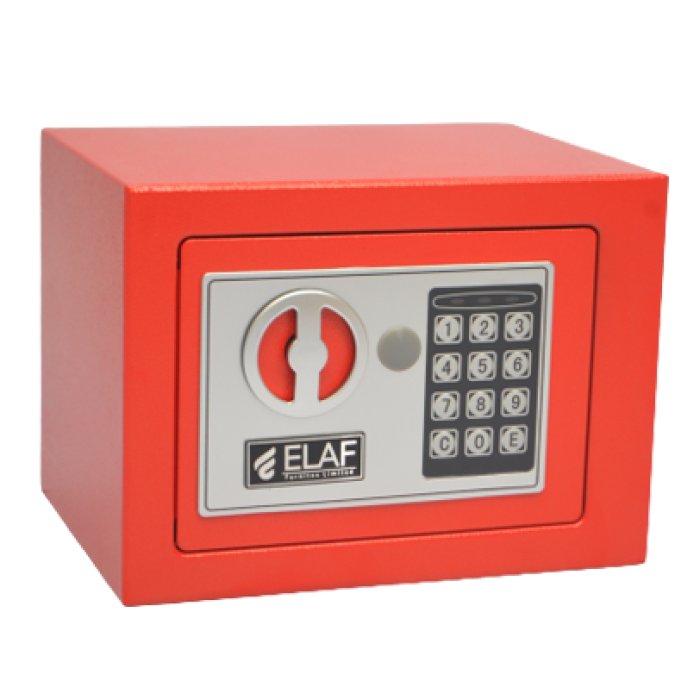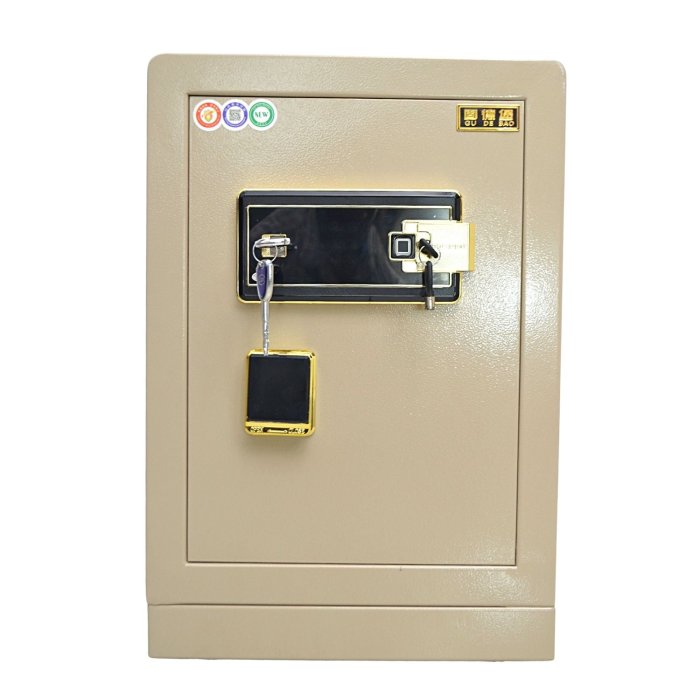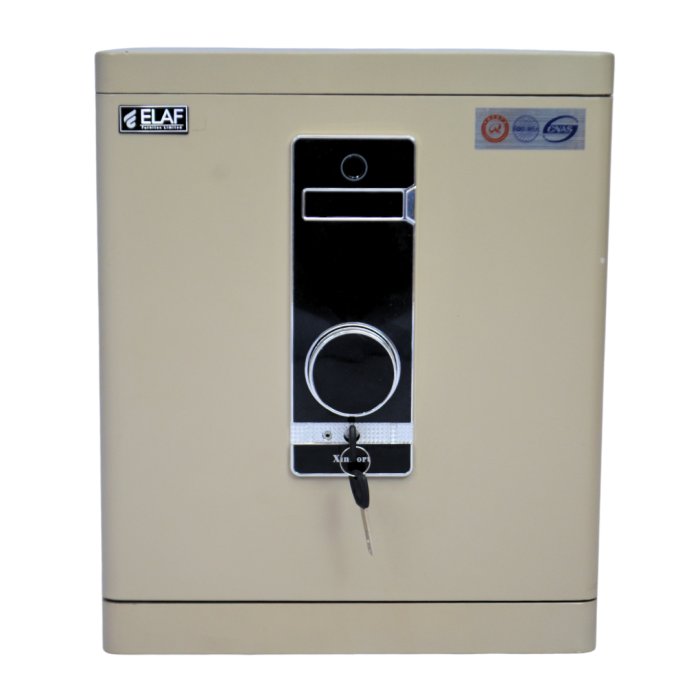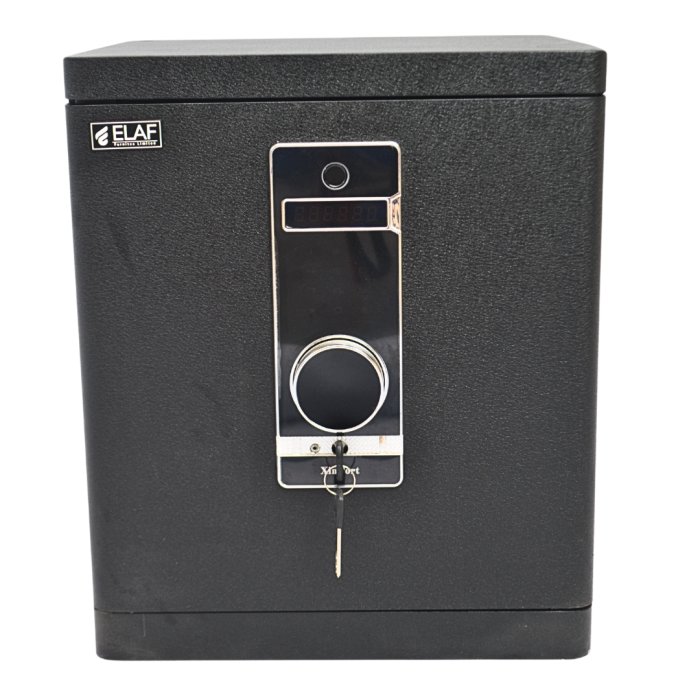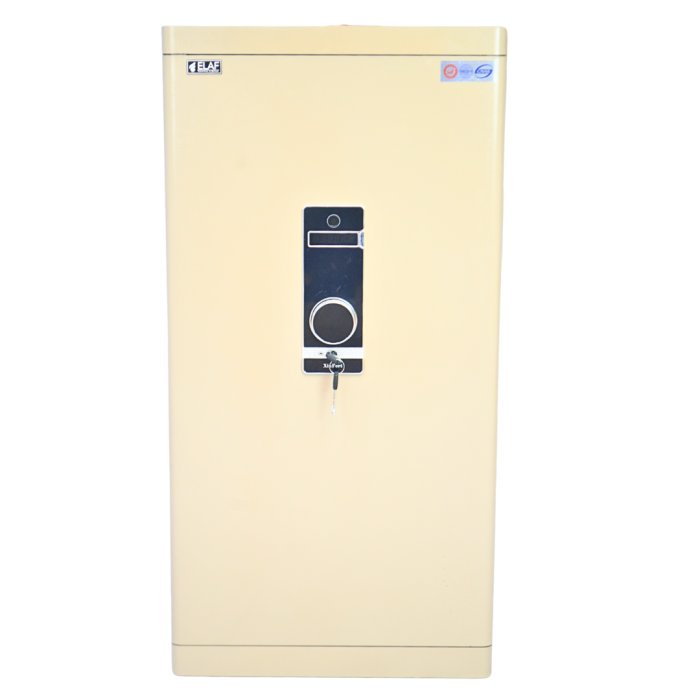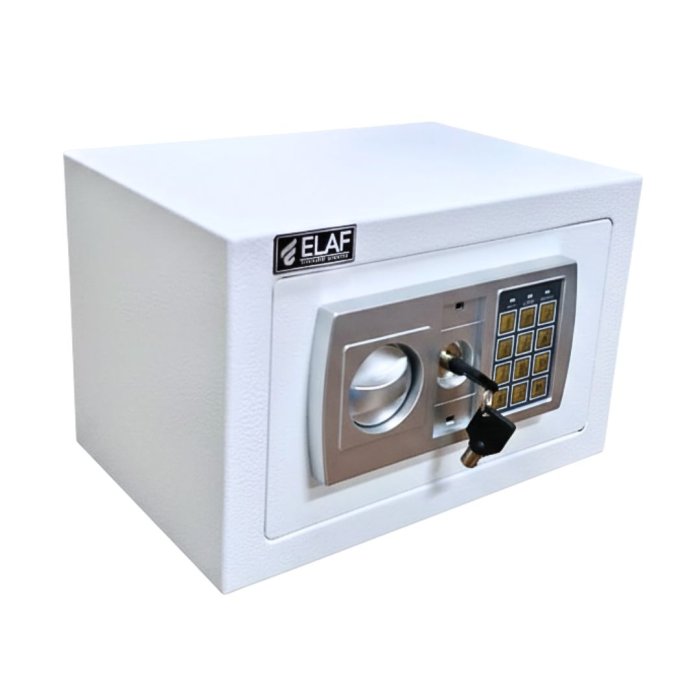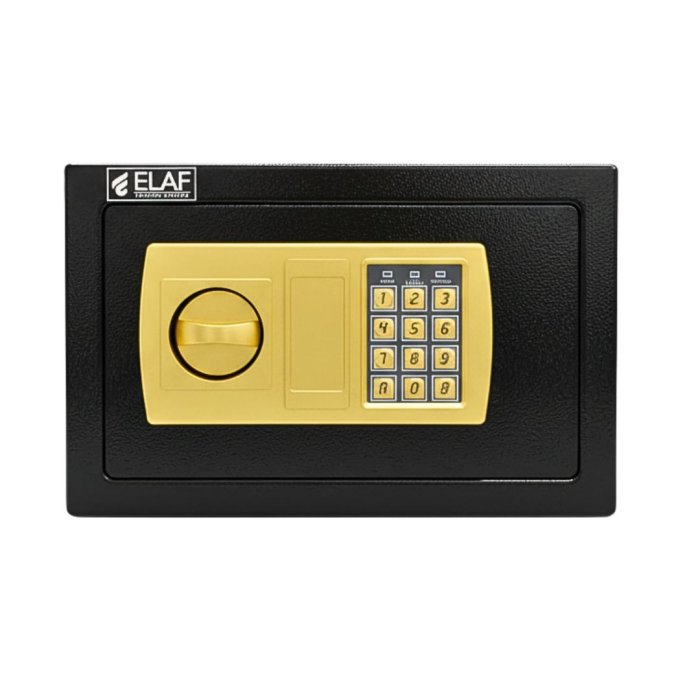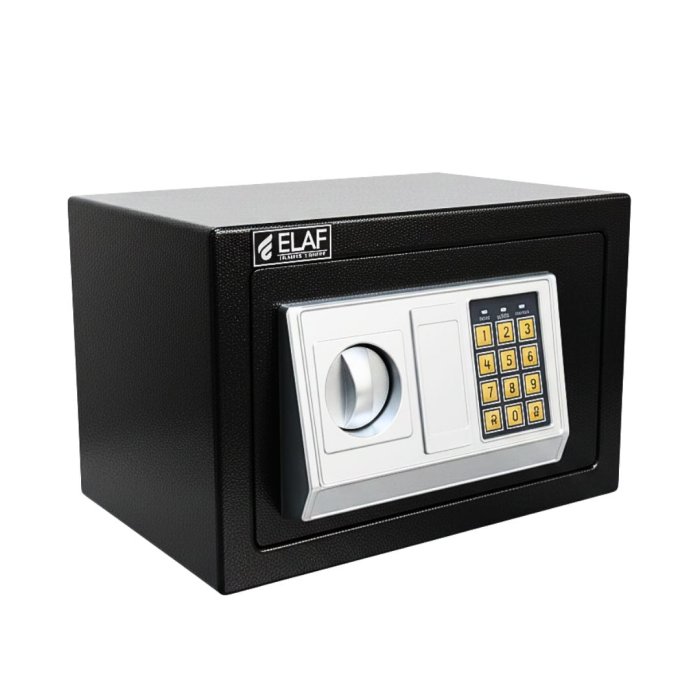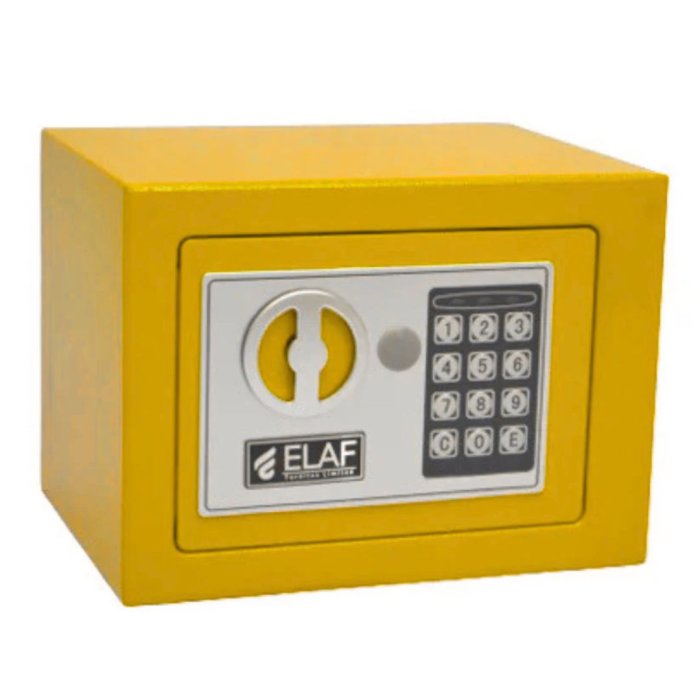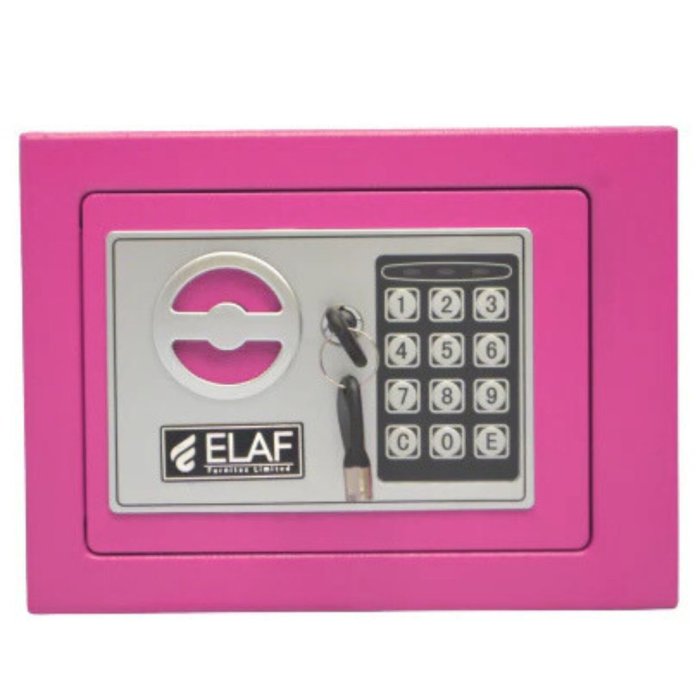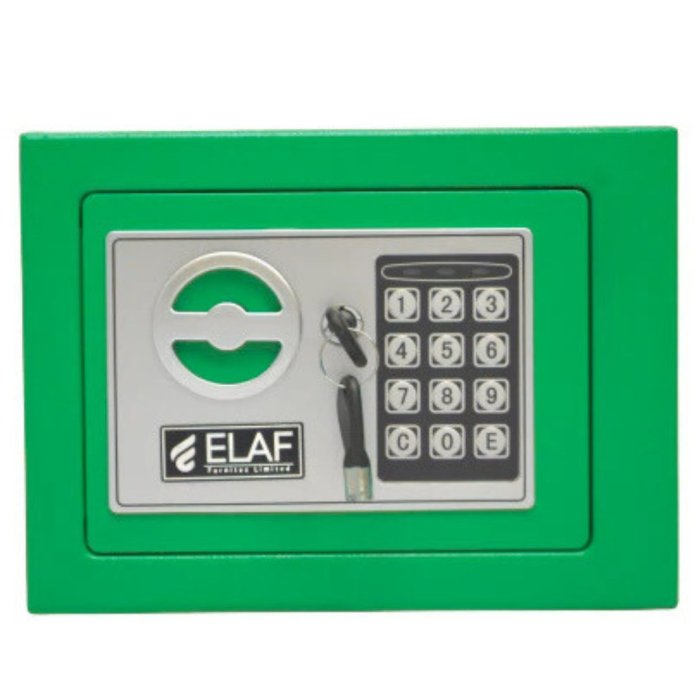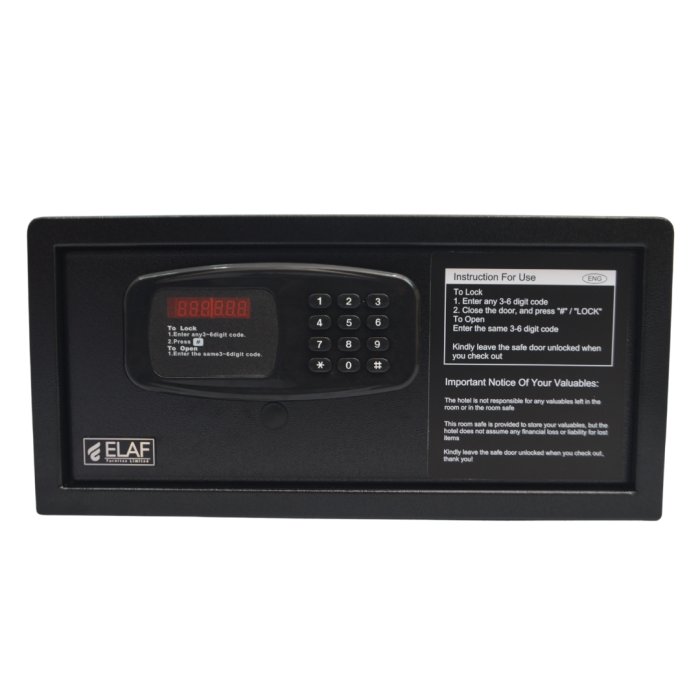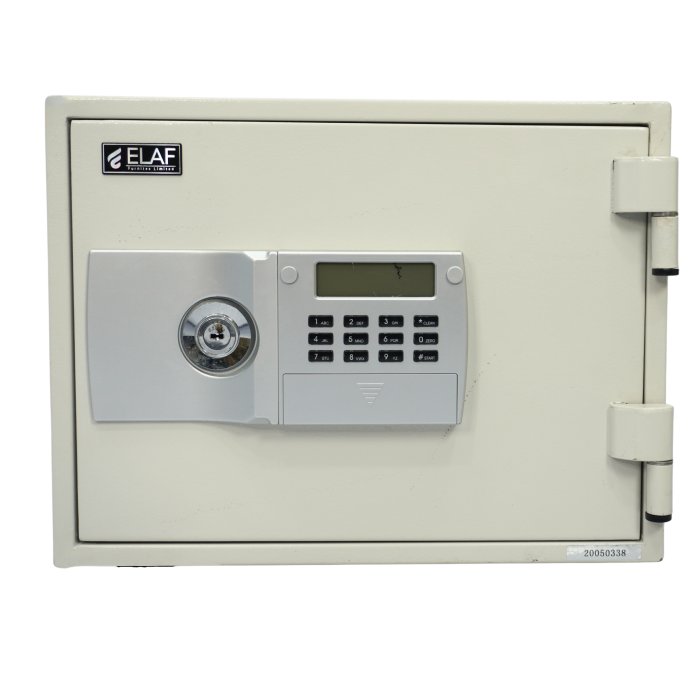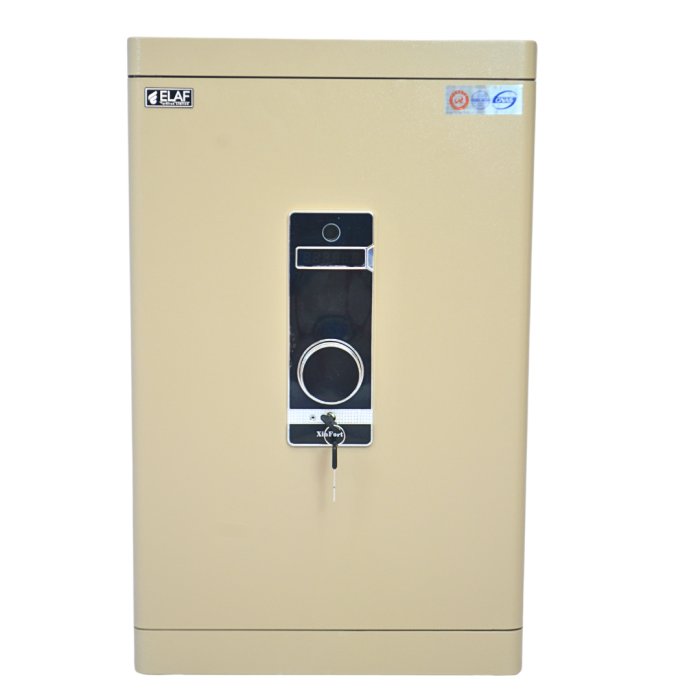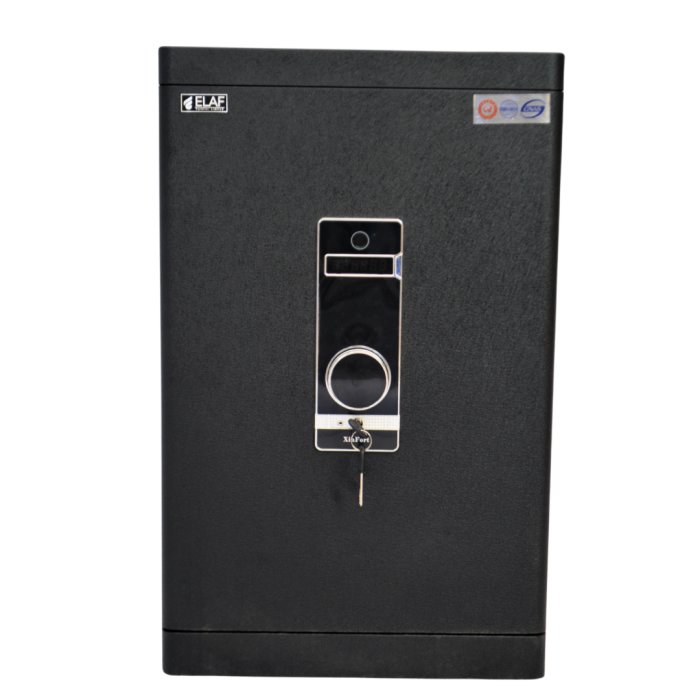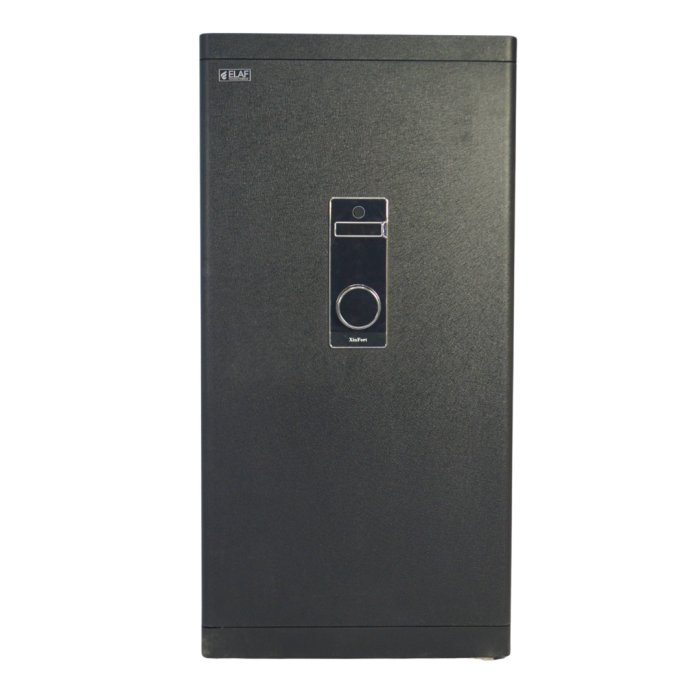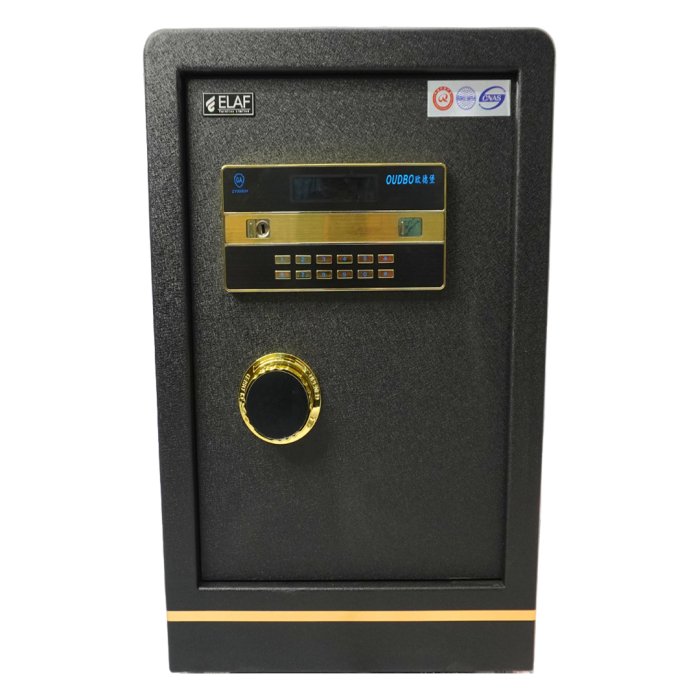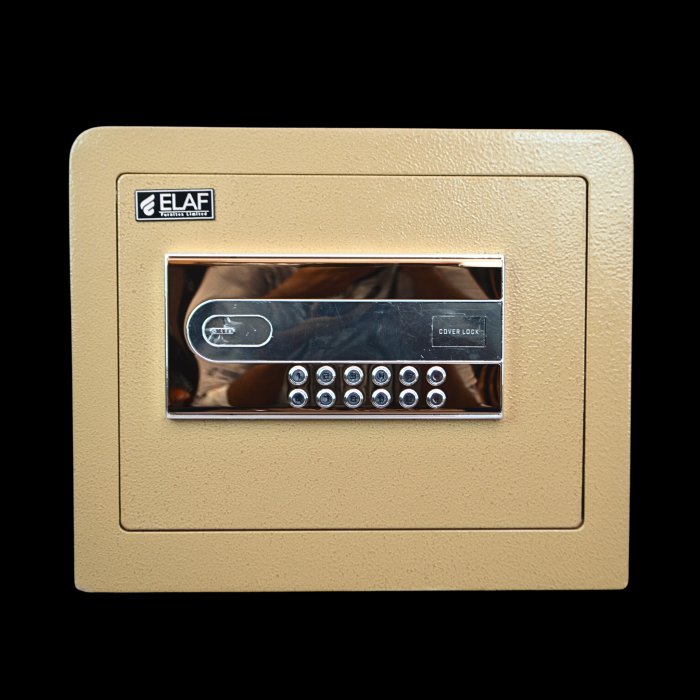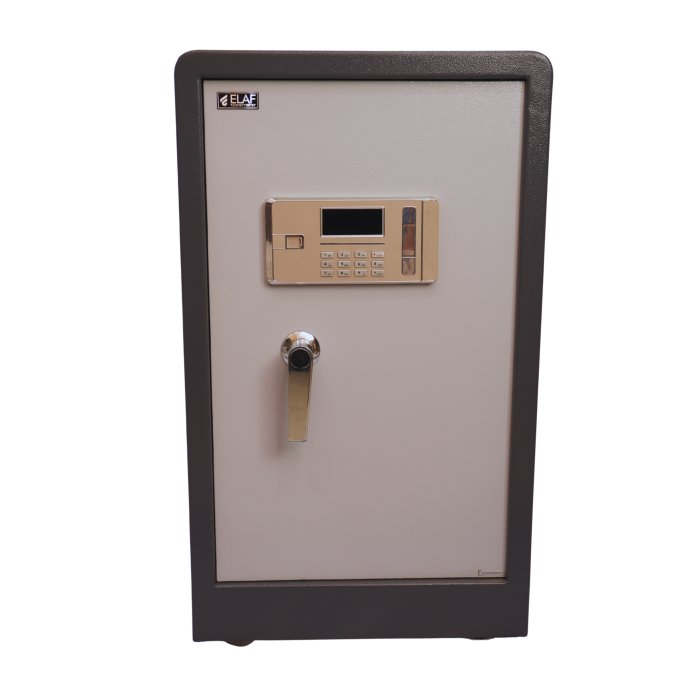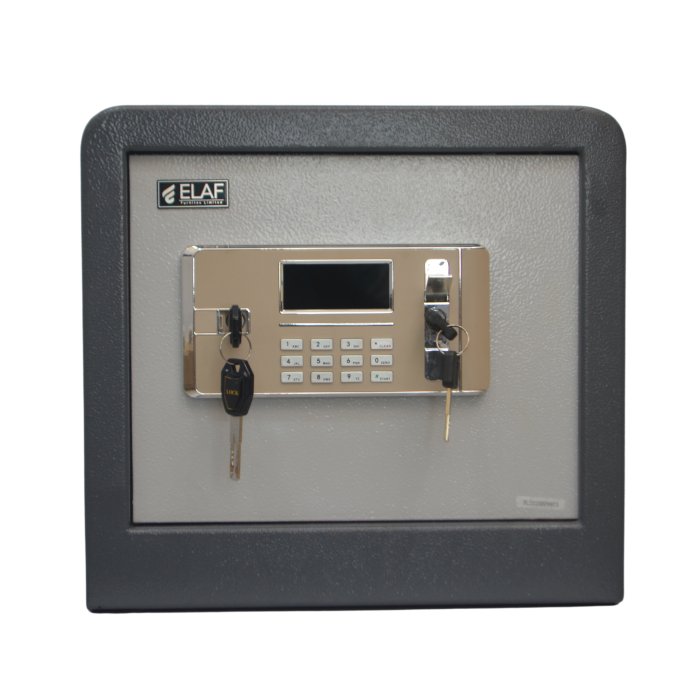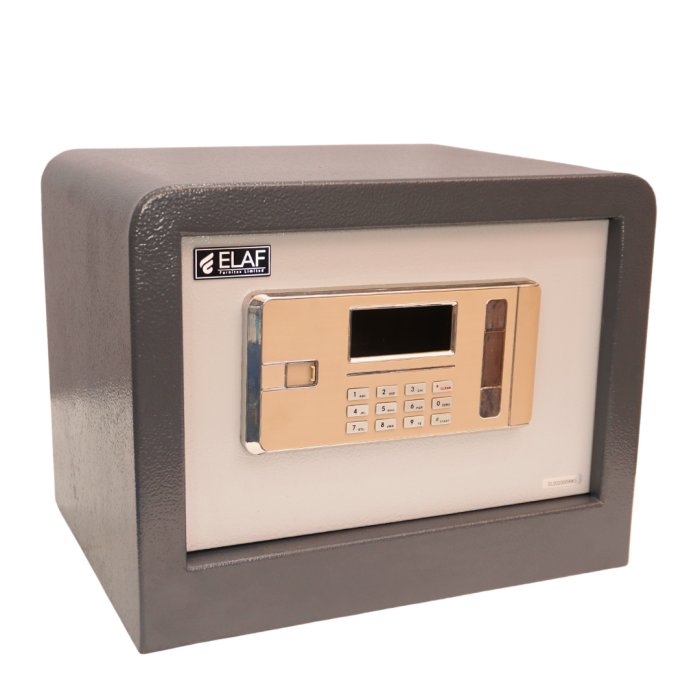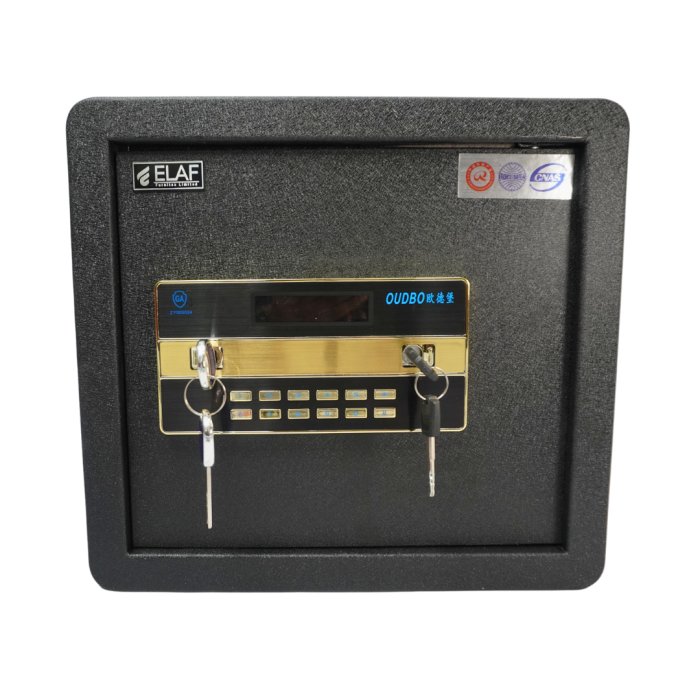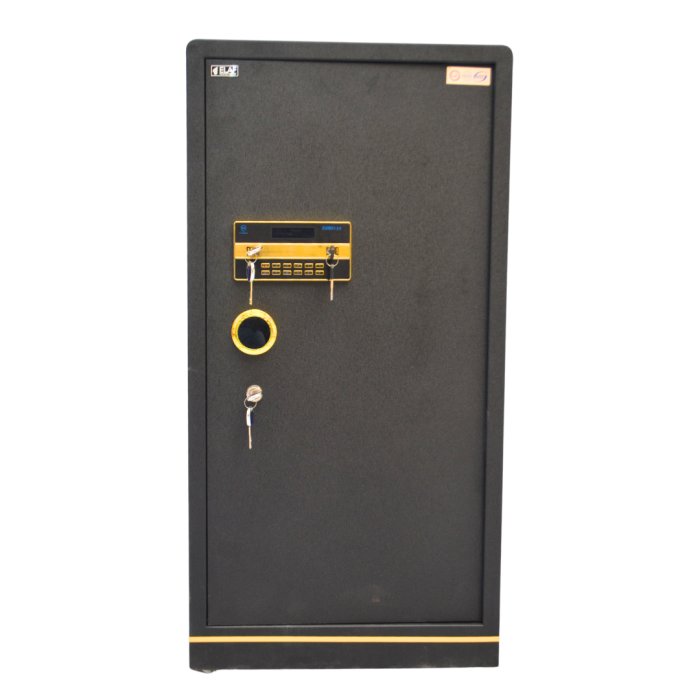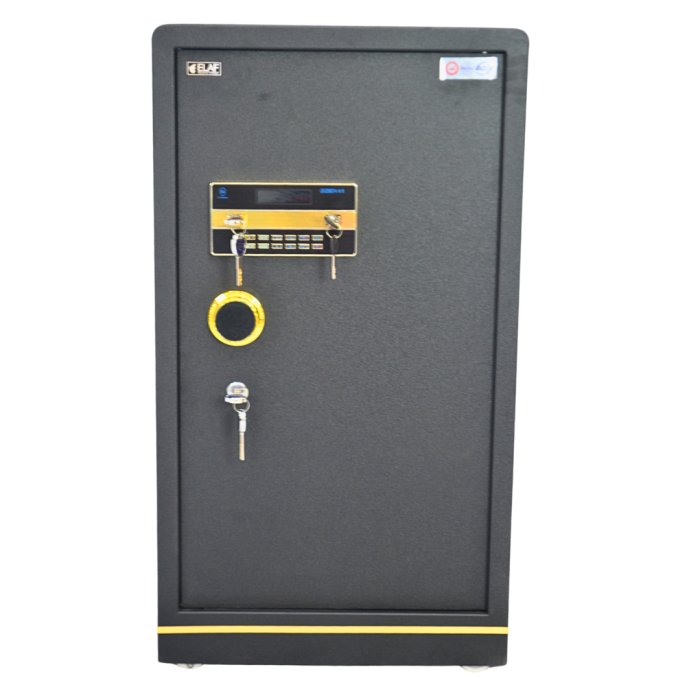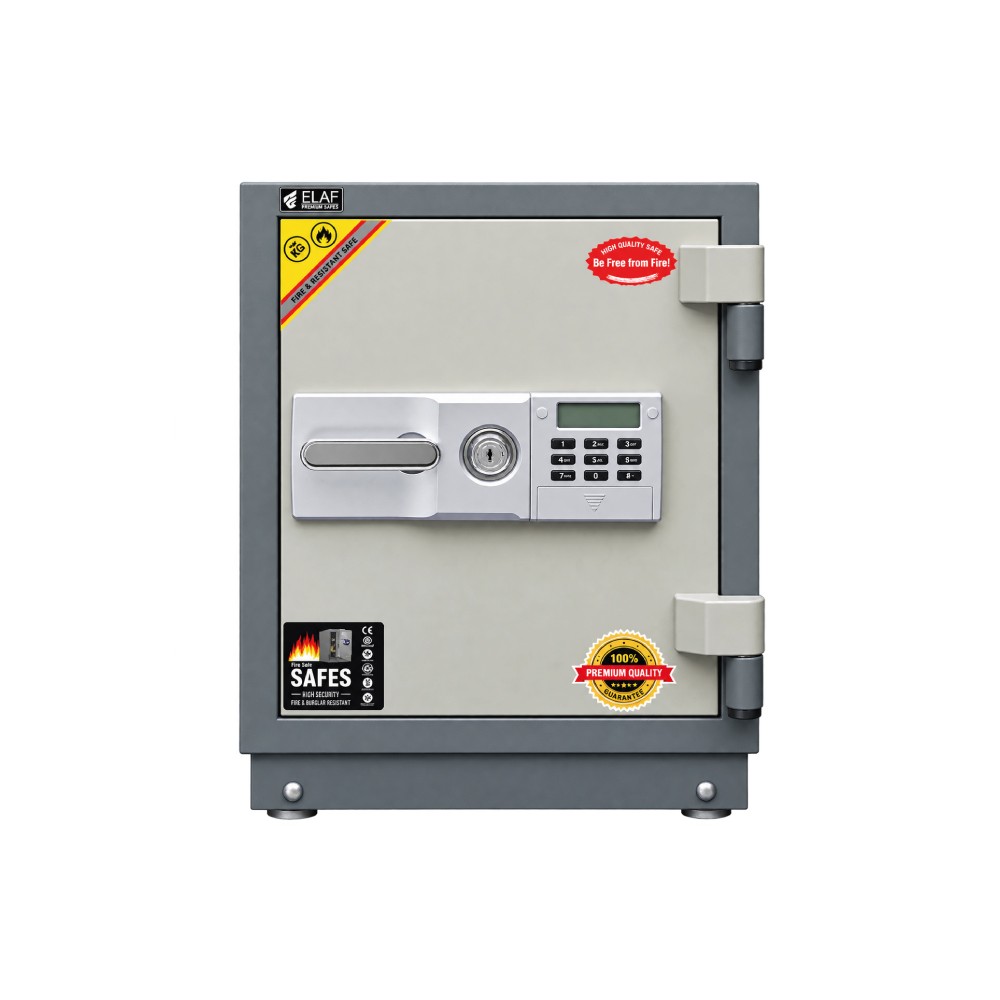
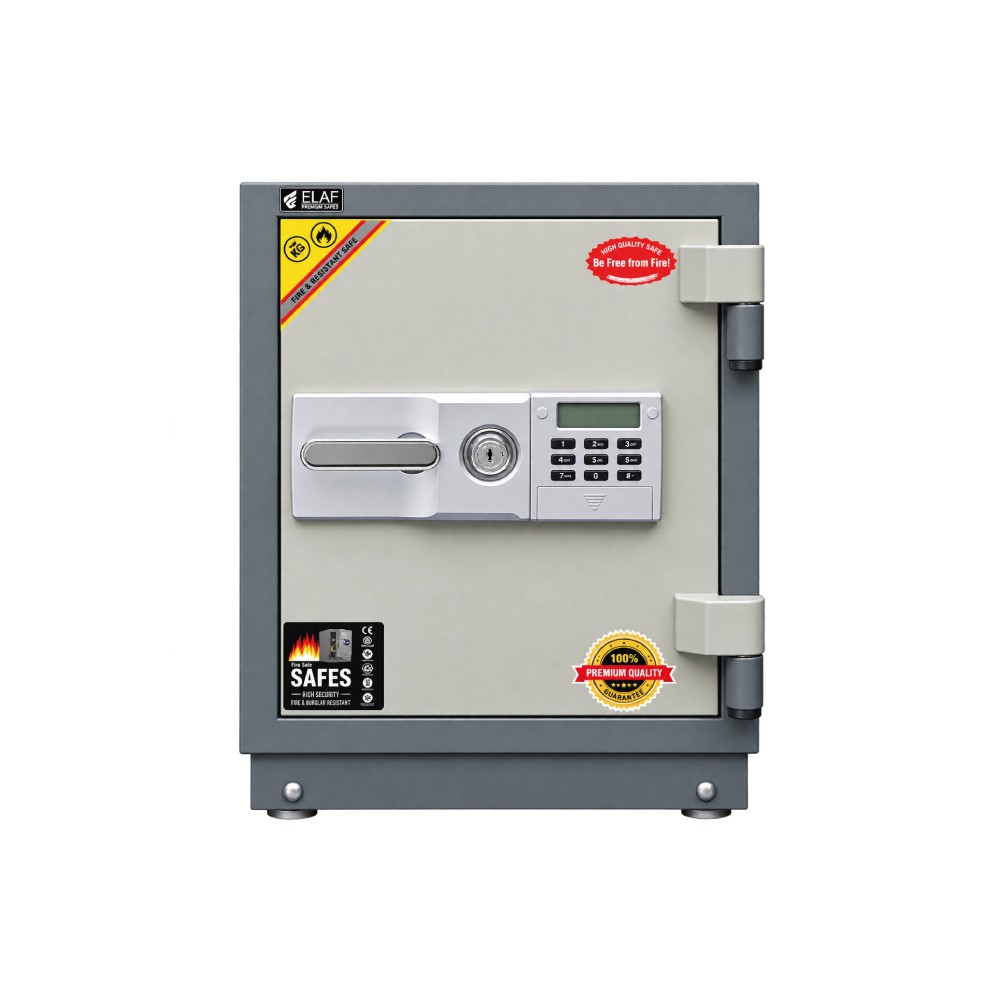
ELAF DIGITAL SAFETY LOCKER (FT-K3-620)
137280 tk 137280 tk
প্রোডাক্ট কোড: 480
| ঢাকার ভিতরে ডেলিভারি | ৳ 60 |
| ঢাকার বাইরে ডেলিভারি | ৳ 130 |
পন্যের বিবরণ
ELAF Digital Safety Locker: Secure Storage for Your Desk
The ELAF Digital Safety Locker (FT-K3-620) is a compact, workplace-ready security solution designed for office desks and workspace environments. Built for daily professional use, this digital locker provides secure storage for documents, cash, valuables, and sensitive materials right at your workstation. The robust construction ensures reliable protection while maintaining a clean desk profile that fits standard office layouts.
Whether you're managing petty cash, storing confidential files, or keeping personal items secure during the workday, this locker delivers straightforward security without unnecessary bulk. The digital locking mechanism means no keys to misplace—just a code you control. For any workplace where desk-level storage security matters, this unit performs the job it's built for.
Sizing and Workspace Integration
The FT-K3-620 model is engineered with workspace practicality in mind. Its compact footprint fits comfortably on or under standard office desks without consuming excessive real estate. The external dimensions are proportioned to accommodate typical workplace storage needs—documents, folders, small equipment, and personal valuables—while remaining accessible during your workday.
Installation is straightforward for office environments. The locker can be positioned on a desktop surface or mounted in a fixed location depending on your workspace setup. Its sturdy build means it stays put during daily use, and the design integrates with standard office furniture and layouts without looking out of place.
Digital Lock Operation and Daily Use
The digital lock mechanism is the core feature of this safety locker. You set and manage your own access code, eliminating dependency on physical keys that can be lost, duplicated, or forgotten. The lock engages reliably with each closing, and the digital entry process becomes routine throughout your workday.
For office settings where multiple staff may need occasional controlled access, or for individual workspace security, the digital system provides flexibility. The locking action is firm and audible—you know when the locker is secured. Battery-powered operation (details on battery type and replacement intervals should be verified with the unit) keeps the system running without external wiring requirements, making it suitable for any desk location.
Build Quality for Office Environments
This locker is constructed to withstand daily workplace use. The exterior is built from materials chosen for durability in office settings—resistance to minor impacts, dust, and the wear of regular handling. The internal compartment is designed to safely store a variety of items without damage, and the hinged door operates smoothly across thousands of open-close cycles.
The FT-K3-620 designation indicates this is a professional-grade unit, not a casual consumer product. It's built for environments where security and reliability are expected. Maintenance is minimal—occasional cleaning and battery management when needed. For teams or individual professionals who need dependable desk-level security, this locker delivers consistent performance throughout its working life.
When to Use the ELAF Digital Safety Locker
- Secure cash handling and petty cash storage at reception or administrative desks
- Protect confidential documents and client files during the workday
- Store personal valuables, phones, or equipment during office hours
- Maintain security in shared workspace environments
- Keep sensitive materials locked between work sessions
- Provide staff with individual secure storage at their workstations
ডিজিটাল নিরাপত্তা লকার এলাফ: আপনার কর্মক্ষেত্রের জন্য নিরাপদ সংরক্ষণ
এলাফ ডিজিটাল সেফটি লকার (FT-K3-620) একটি কমপ্যাক্ট এবং পেশাদার নিরাপত্তা সমাধান যা অফিস ডেস্ক এবং কর্মক্ষেত্রের জন্য তৈরি করা হয়েছে। এই লকারটি প্রতিদিনের কর্মক্ষেত্রের ব্যবহারের জন্য ডিজাইন করা হয়েছে এবং আপনার ডেস্কে নথিপত্র, নগদ অর্থ, মূল্যবান সামগ্রী এবং সংবেদনশীল উপাদান সুরক্ষিত রাখে। মজবুত নির্মাণ নির্ভরযোগ্য সুরক্ষা নিশ্চিত করে এবং এর ডিজাইন আপনার ডেস্কে পরিপাটি দেখায়।
ডিজিটাল লকিং সিস্টেম এই লকারের মূল বৈশিষ্ট্য। আপনি নিজের পাসকোড সেট করেন এবং নিয়ন্ত্রণ করেন, যাতে চাবি হারানো বা ভুলে যাওয়ার চিন্তা থাকে না। লকটি প্রতিটি বন্ধ করার সময় সঠিকভাবে কাজ করে এবং ডিজিটাল প্রবেশ প্রক্রিয়া আপনার দৈনন্দিন কাজে সহজ হয়ে ওঠে। অফিসের যেকোনো ডেস্কে ব্যবহারের জন্য, এই লকার নির্ভরযোগ্য এবং কার্যকর সমাধান প্রদান করে।
FT-K3-620 মডেলটি পেশাদার-গ্রেডের ইউনিট এবং দৈনন্দিন অফিস ব্যবহারের জন্য তৈরি করা হয়েছে। এর শক্তিশালী নির্মাণ ছোটখাটো আঘাত, ধুলাবালি এবং নিয়মিত পরিচালনার ক্ষয়ের বিরুদ্ধে প্রতিরোধী। আভ্যন্তরীণ বগি বিভিন্ন ধরনের জিনিস নিরাপদে সংরক্ষণ করতে পারে এবং দরজাটি হাজার হাজার বার খোলা-বন্ধ করার জন্য ডিজাইন করা হয়েছে। যারা ডেস্ক-লেভেলে নির্ভরযোগ্য নিরাপত্তা প্রয়োজন, তাদের জন্য এটি আদর্শ পছন্দ।