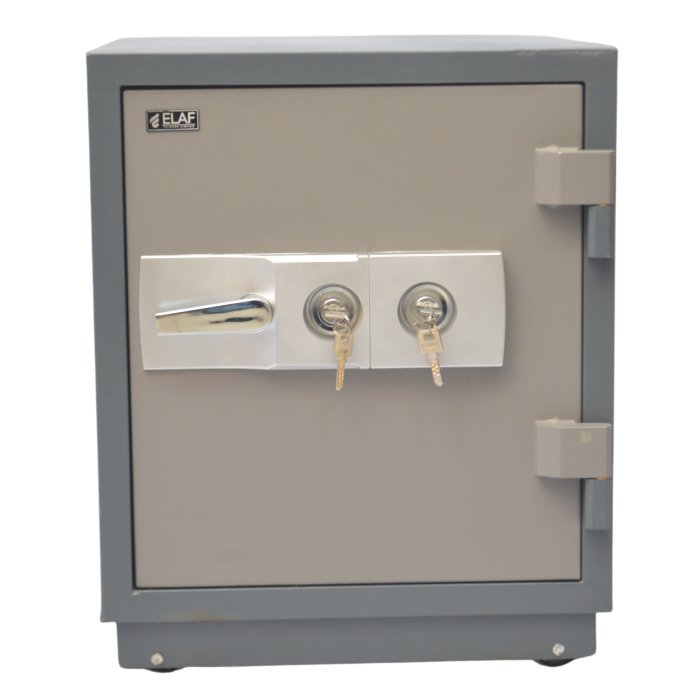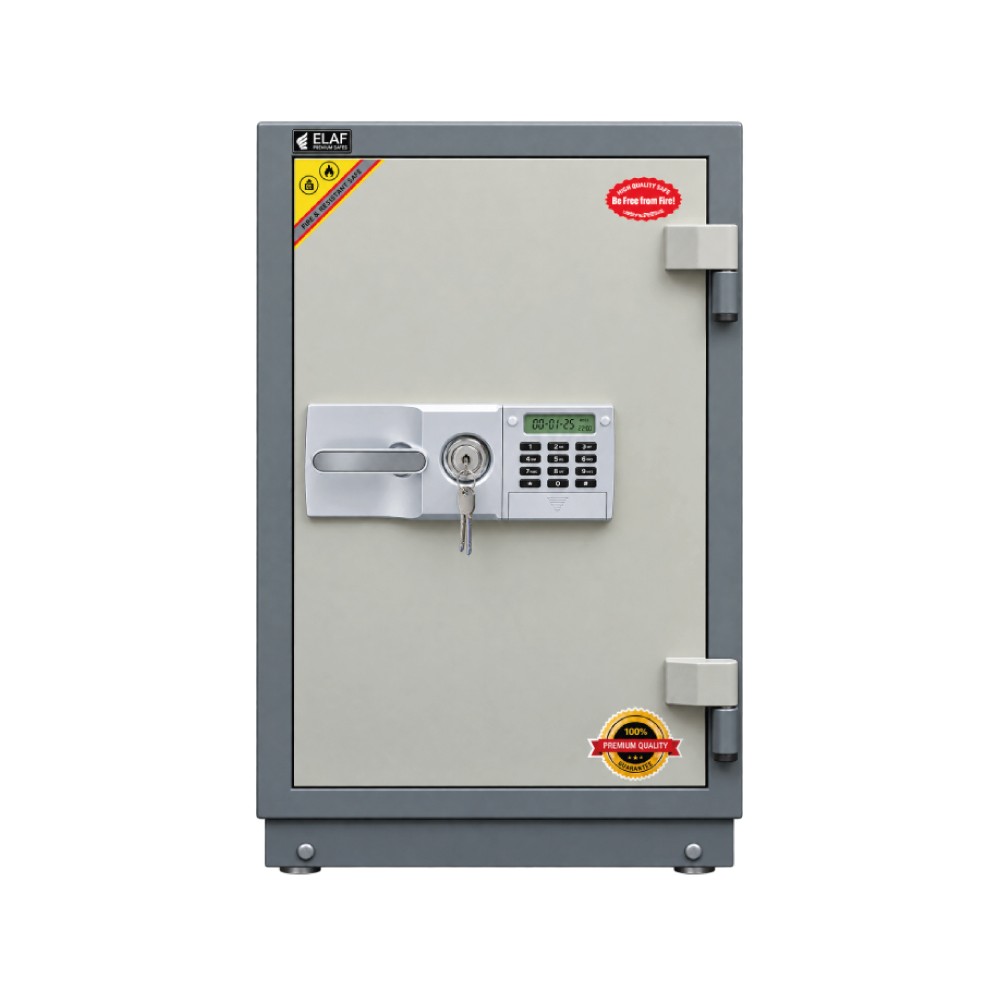
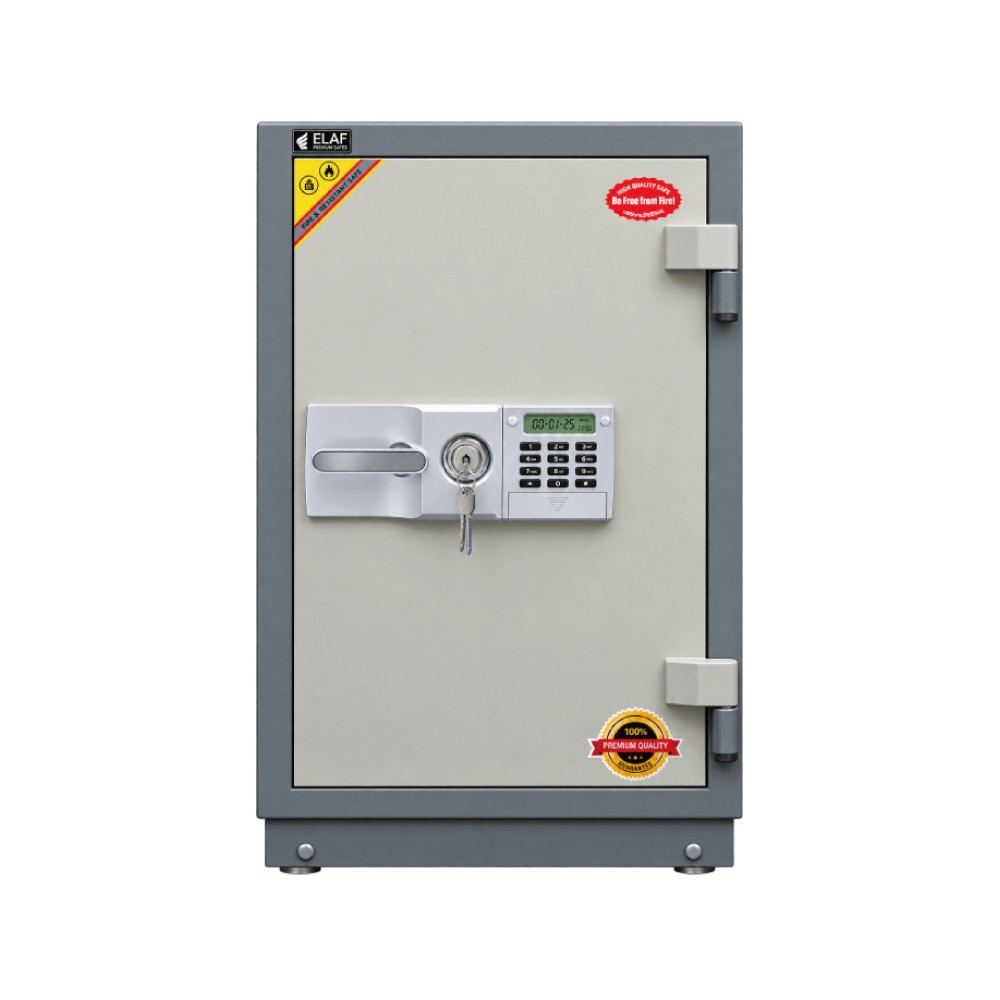
ELAF DIGITAL SAFETY LOCKER (FT-K3-1020)
178880 tk 178880 tk
প্রোডাক্ট কোড: 478
| ঢাকার ভিতরে ডেলিভারি | ৳ 60 |
| ঢাকার বাইরে ডেলিভারি | ৳ 130 |
পন্যের বিবরণ
Secure Digital Storage for Your Workspace
The ELAF Digital Safety Locker (FT-K3-1020) is built for office environments where protecting documents, valuables, and sensitive materials matters. This compact locker fits easily into corner spaces, under desks, or against walls in your workplace. Whether you're managing a small office, a shared workspace, or need personal storage at your desk, this unit handles daily security demands without taking up excessive floor space.
At work, you need storage you can rely on. The digital locking mechanism means no fumbling with physical keys during your workday. Access is straightforward: enter your code and retrieve what you need. The lock engages automatically, so there's no guessing whether you've secured the unit.
Sizing and Desk Integration
The FT-K3-1020 model is designed with office layouts in mind. Its dimensions allow placement beneath most standard desks, in filing areas, or alongside other office furniture without crowding your workspace. The footprint is practical for environments where every square centimeter counts. Heavy-duty construction means it won't shift or tip under normal daily use, even when fully loaded.
Installation requires minimal effort. Position the locker where you need it, set your digital code, and you're ready to use it. No special wiring or complex setup interrupts your work routine. The solid build quality ensures the locking mechanism operates smoothly through hundreds of open-and-close cycles during regular office use.
Daily Use at Your Desk
Store documents that need protection from casual access. Keep client files, confidential reports, or project materials secure during the workday. The locker secures personal items, cash, or equipment when you step away from your desk. The digital interface means quick access when authorized—no time wasted hunting for keys or waiting for someone else to unlock shared storage.
The unit is quiet in operation. Locking and unlocking don't create disruption in an open office setting. Battery-powered digital locks mean reliable function without power cables running across your floor. Regular battery replacement is simple and inexpensive, part of standard locker maintenance.
Workplace Durability and Practical Features
Built to withstand the demands of office environments, the ELAF locker features a sturdy metal frame and body designed to resist dents and wear from daily handling. The digital locking system is engineered for reliability through continuous use. Interior space is arranged to accommodate papers, folders, small equipment, or personal belongings common in workplace storage scenarios.
Security is straightforward without being complicated. The digital code system keeps contents private without requiring management of multiple keys. You control access by changing your code if needed. The locking mechanism provides audible and tactile feedback, so you know when the locker is secured.
Practical Storage Solution for Office Professionals
The ELAF Digital Safety Locker (FT-K3-1020) addresses a real workplace need: secure, accessible storage that fits into your daily routine. It's the kind of practical equipment that makes office life easier—protecting what matters while remaining unobtrusive in your workspace. Whether it's your personal locker or part of a shared office setup, this unit delivers the security and convenience that workplace professionals expect from their storage solutions.
অফিসের জন্য নিরাপদ ডিজিটাল লকার
ELAF ডিজিটাল সেফটি লকার (FT-K3-1020) আপনার অফিসের নিরাপত্তা চাহিদা পূরণ করার জন্য ডিজাইন করা হয়েছে। এটি ডেস্কের নিচে, কোণে বা অফিসের যেকোনো কোণায় সহজেই রাখা যায়। কর্মক্ষেত্রে গুরুত্বপূর্ণ কাগজপত্র, ক্লায়েন্ট ফাইল বা ব্যক্তিগত জিনিসপত্র সুরক্ষিত রাখতে এই লকারটি আদর্শ। ডিজিটাল লক ব্যবস্থার কারণে আপনাকে চাবি খুঁজে বের করতে হয় না এবং সহজেই কোড ব্যবহার করে লকার খুলতে পারেন।
এই লকারটি শক্ত এবং টেকসই। অফিসের দৈনন্দিন ব্যবহারে এটি নির্ভরযোগ্য কর্মক্ষমতা প্রদান করে। ব্যাটারি চালিত ডিজিটাল তালা মানে বিদ্যুৎ সংযোগের ঝামেলা নেই। লকারটি খোলা এবং বন্ধ করার সময় শব্দ করে না, তাই খোলা অফিস পরিবেশে কোনো বিরক্তি সৃষ্টি হয় না।
আপনার কর্মক্ষেত্রে নিরাপত্তা এবং সুবিধা একসাথে পান ELAF লকারের মাধ্যমে। ব্যক্তিগত লকার হোক বা শেয়ার্ড অফিস স্টোরেজ, এটি আপনার প্রয়োজনীয় সমাধান দেবে।