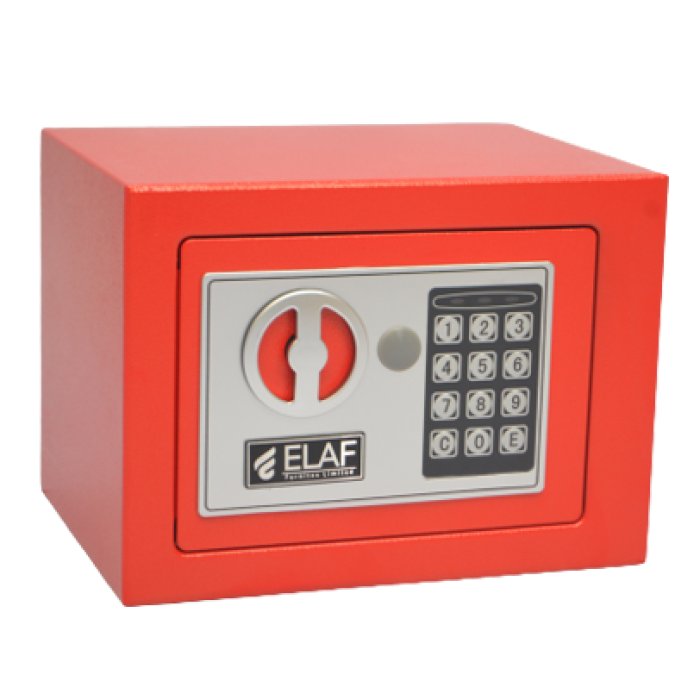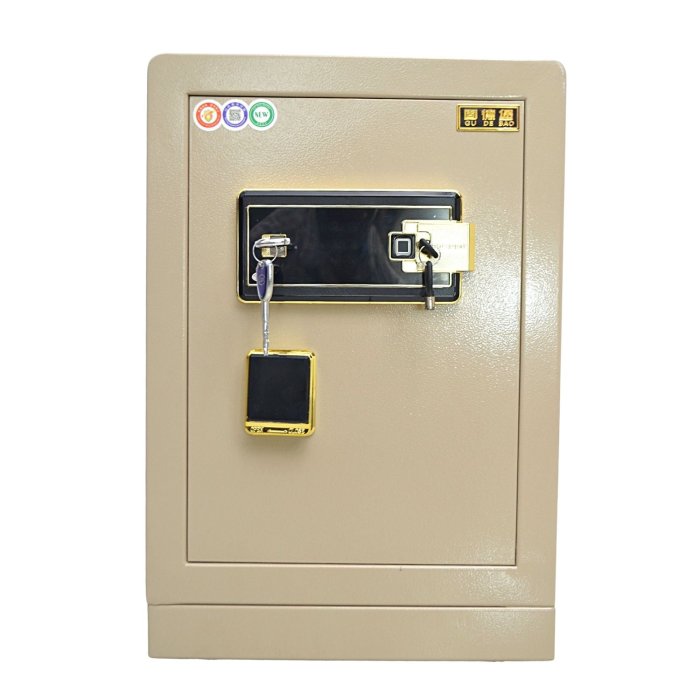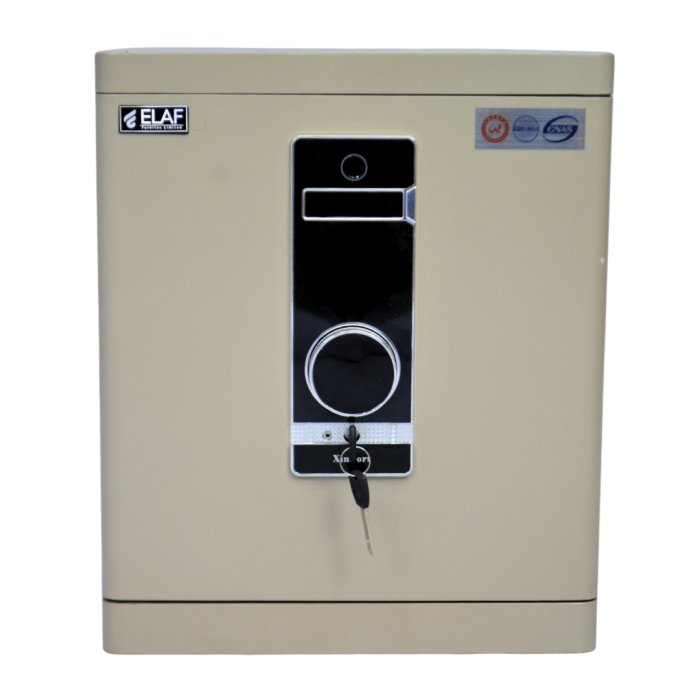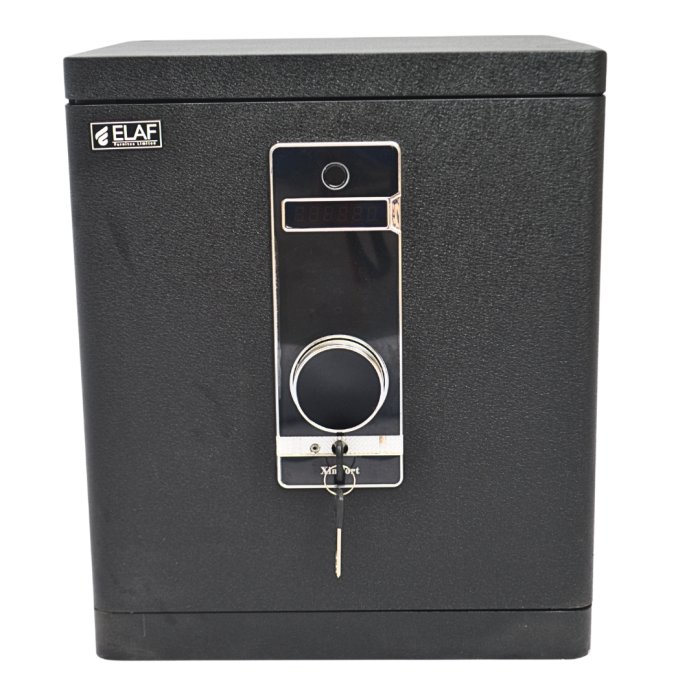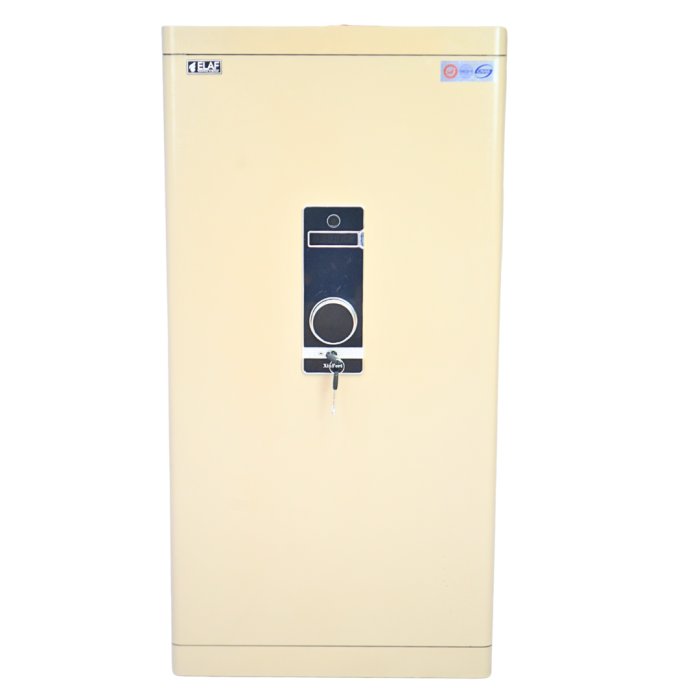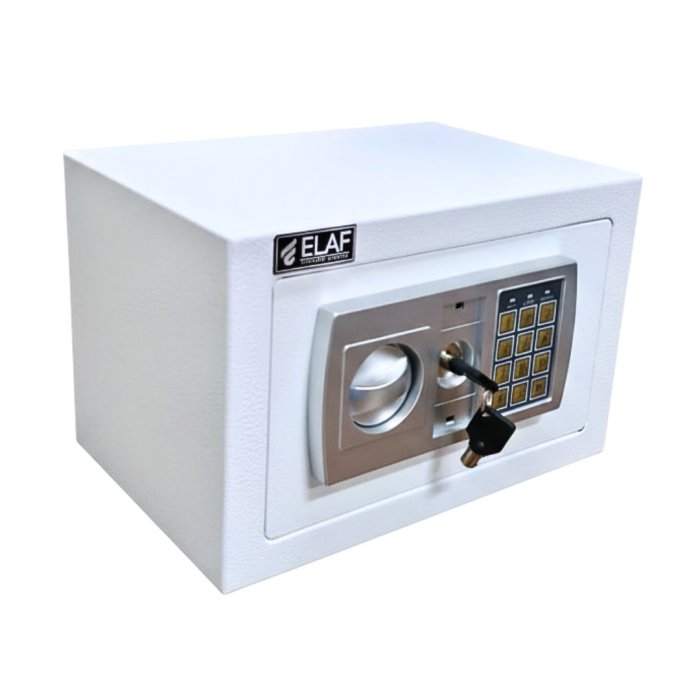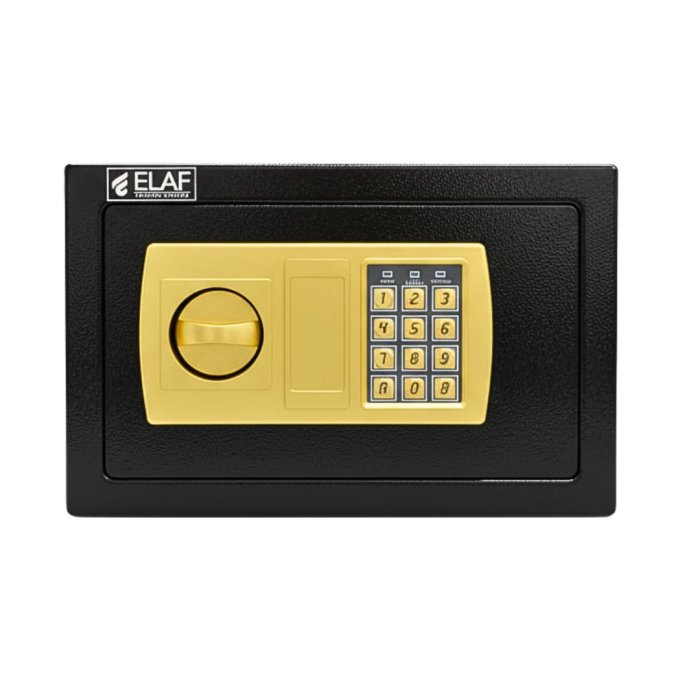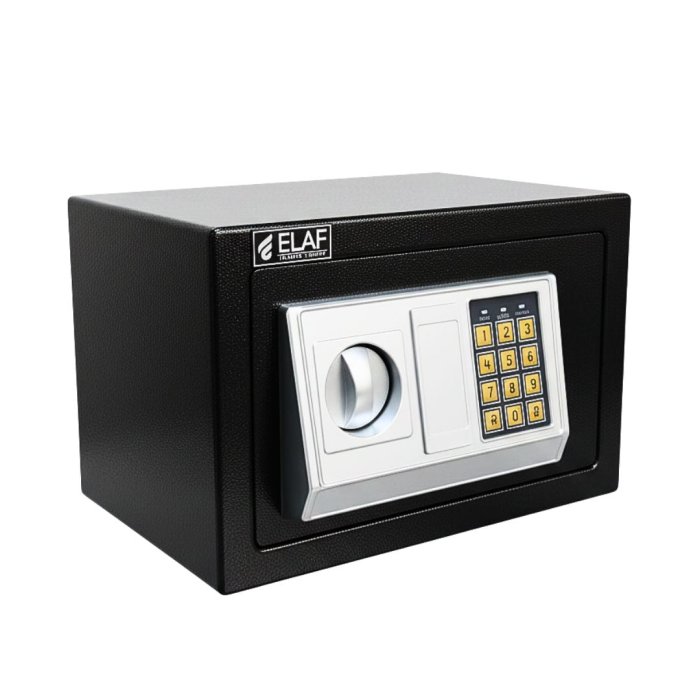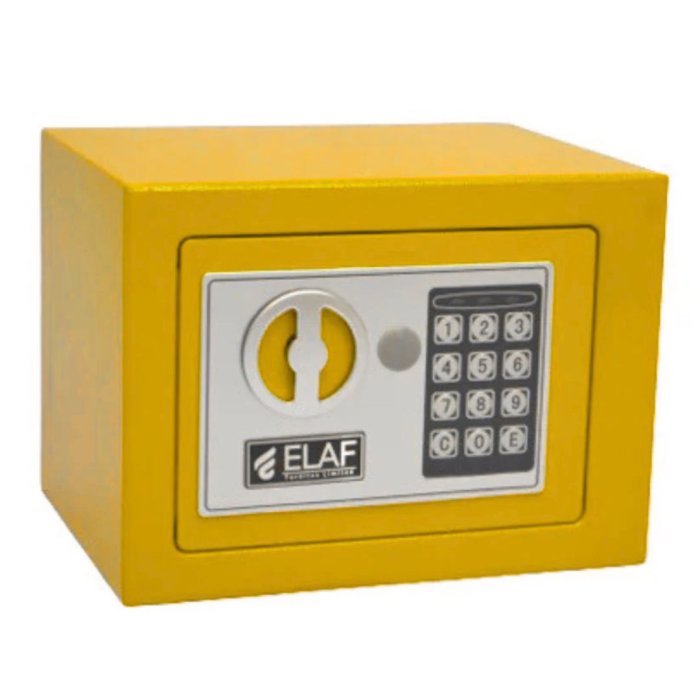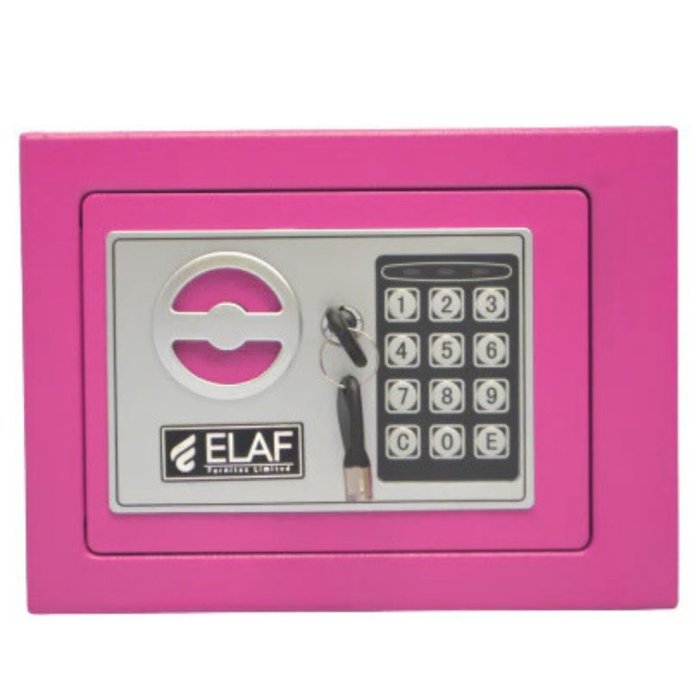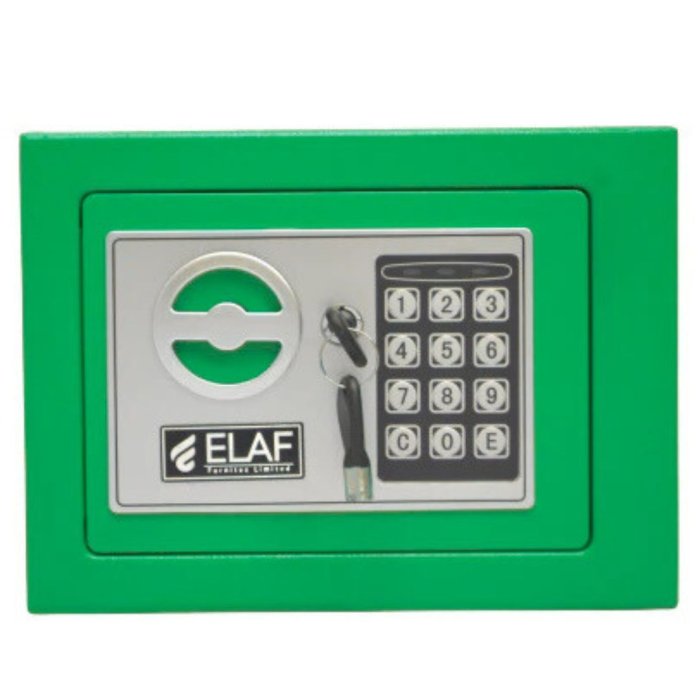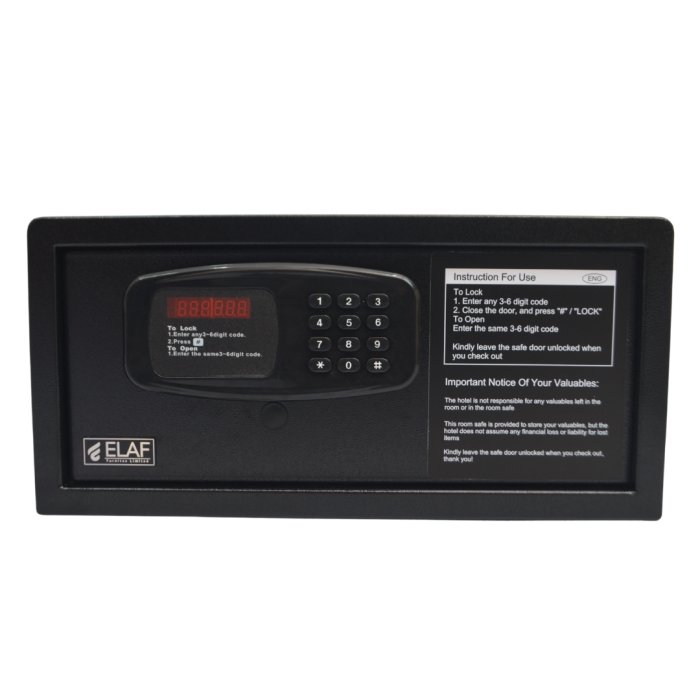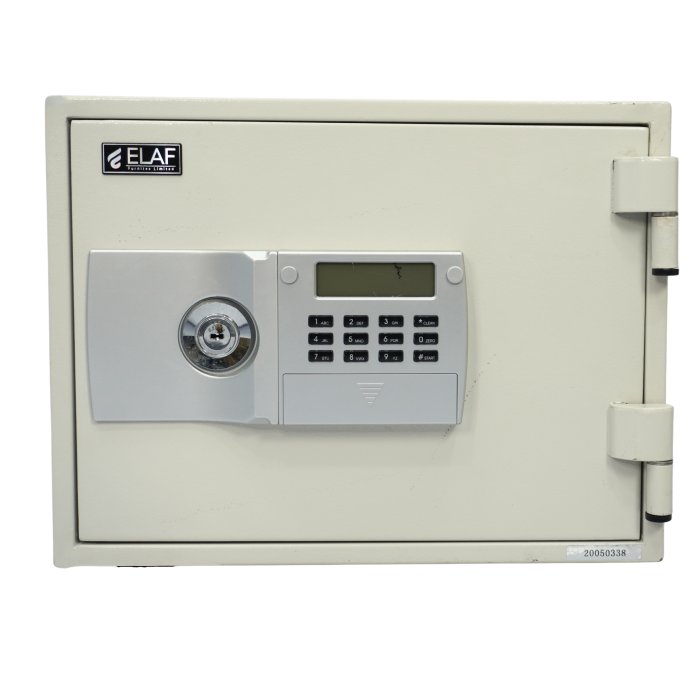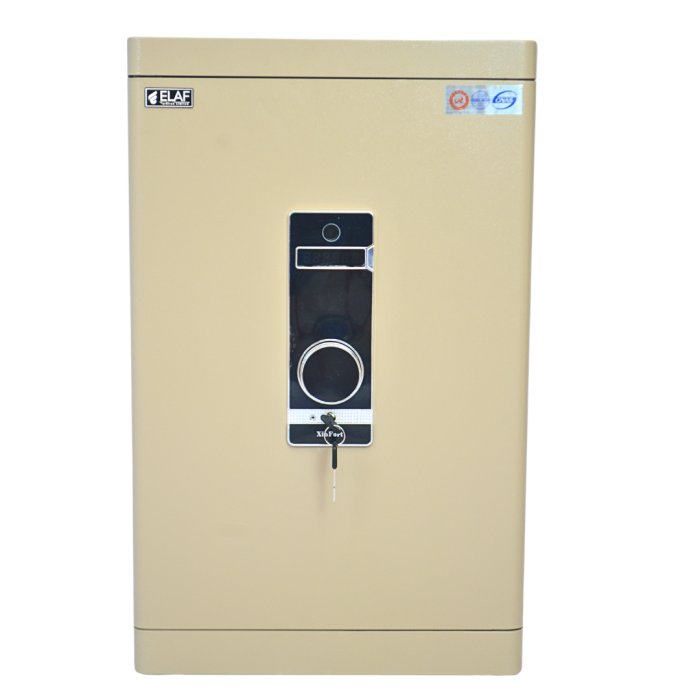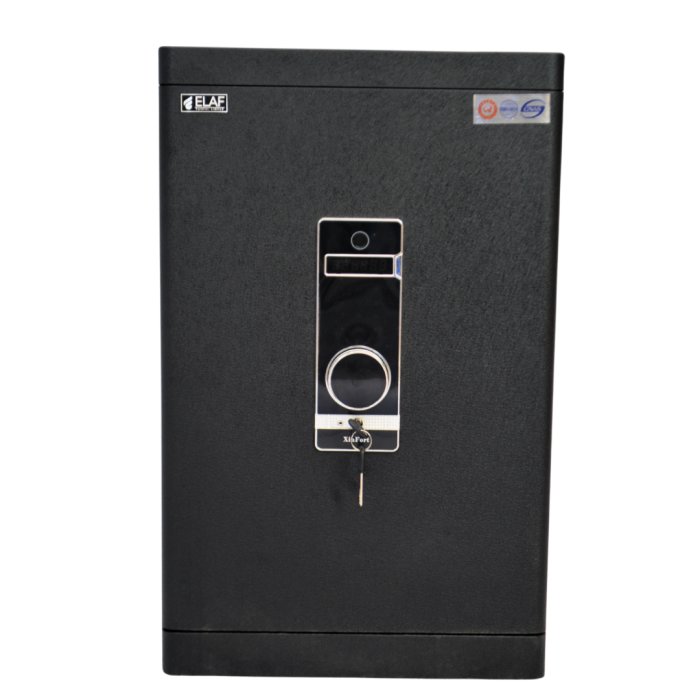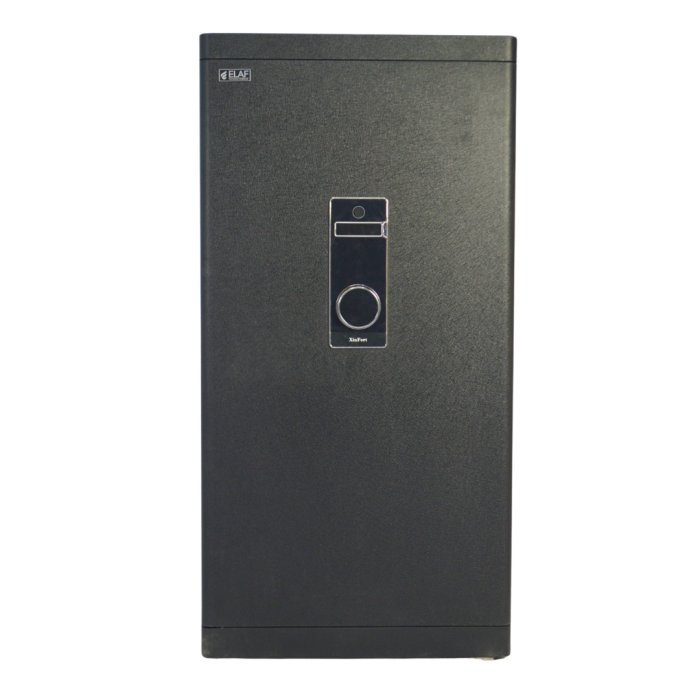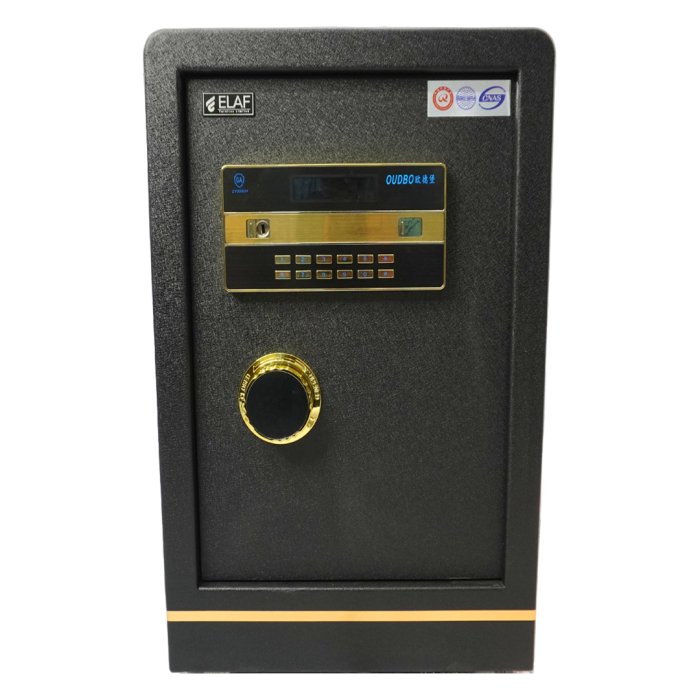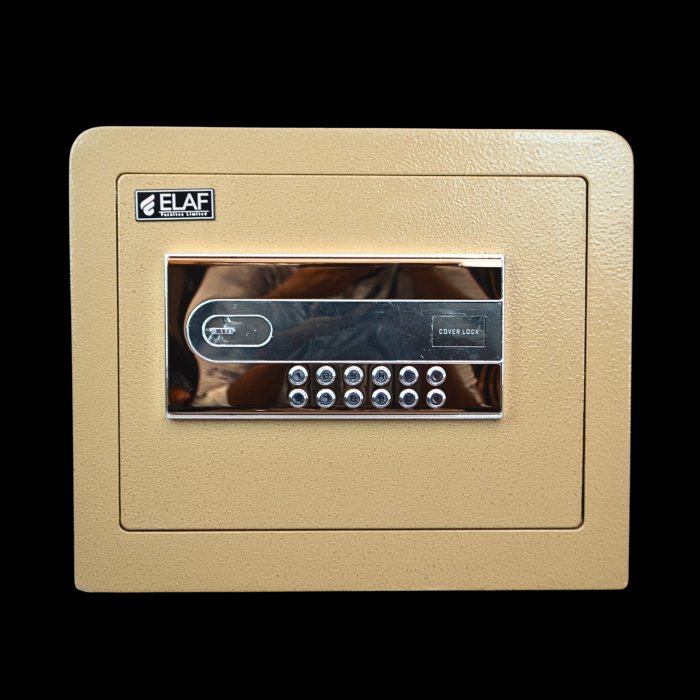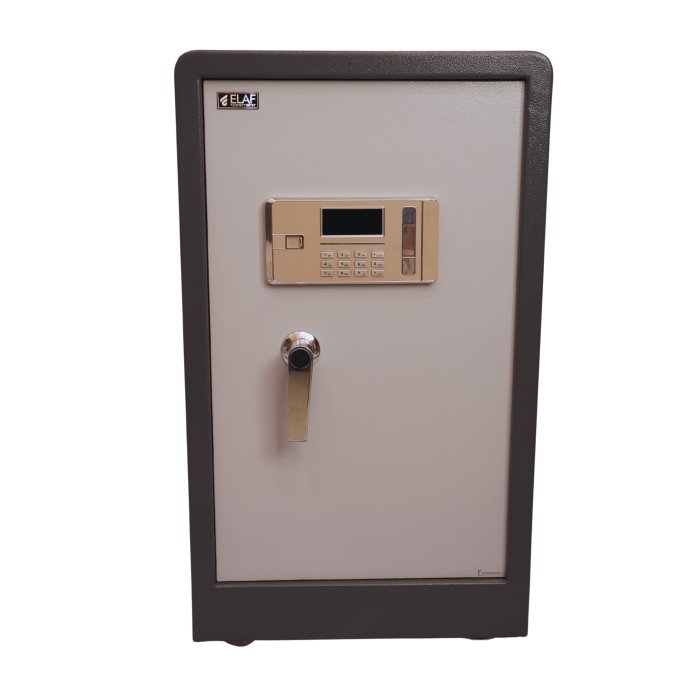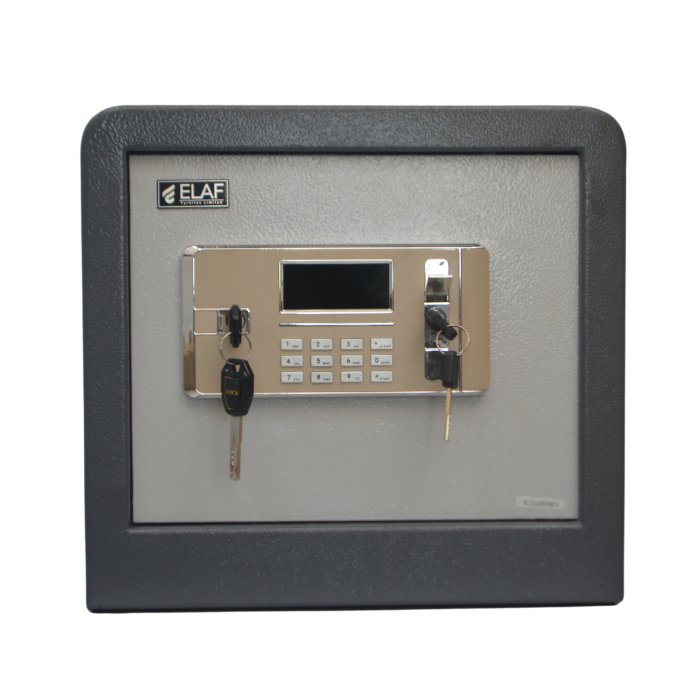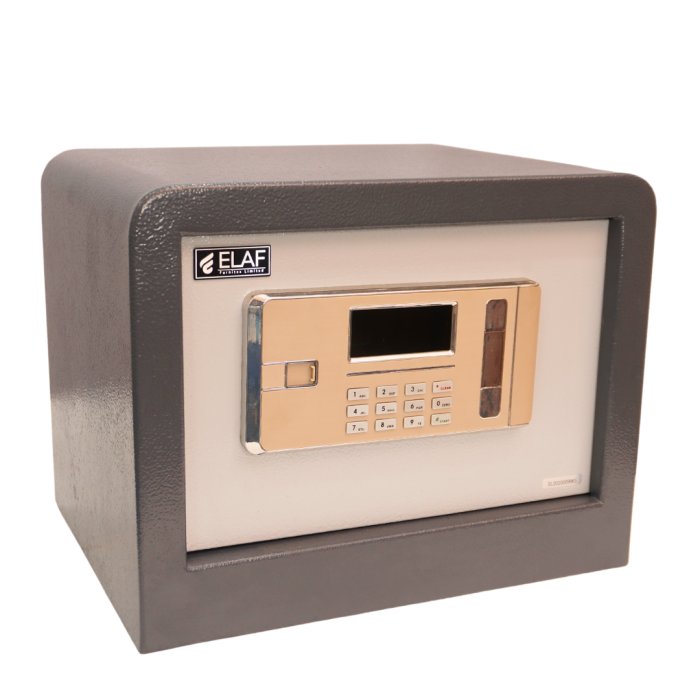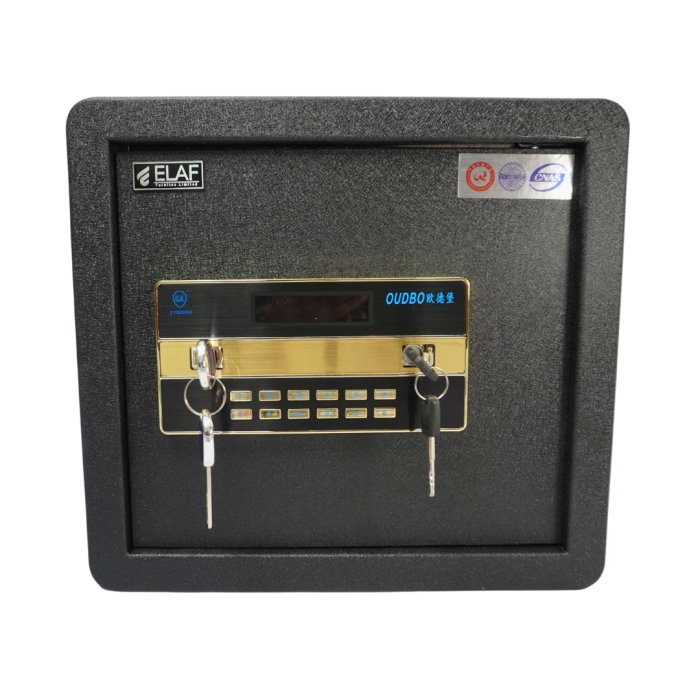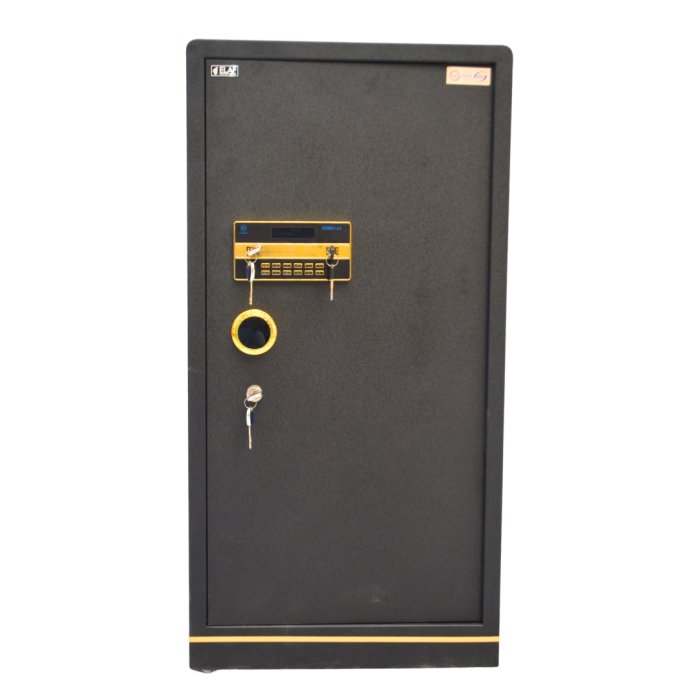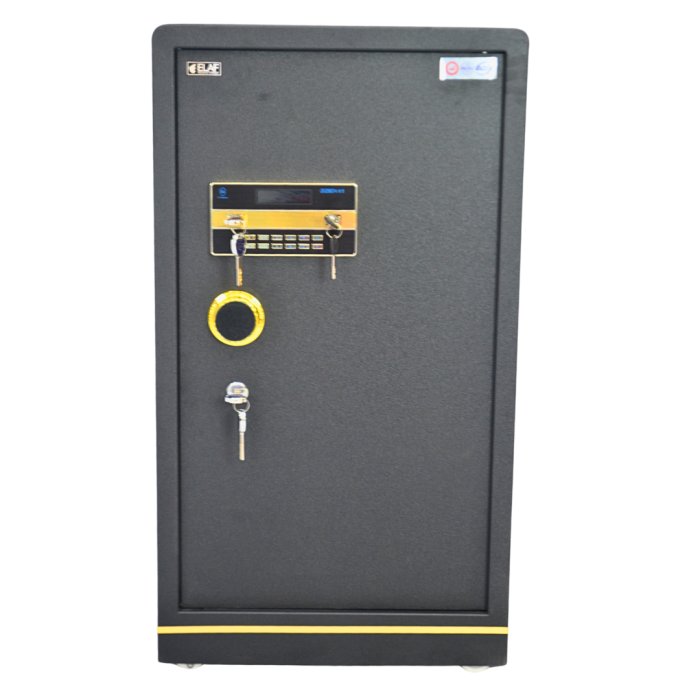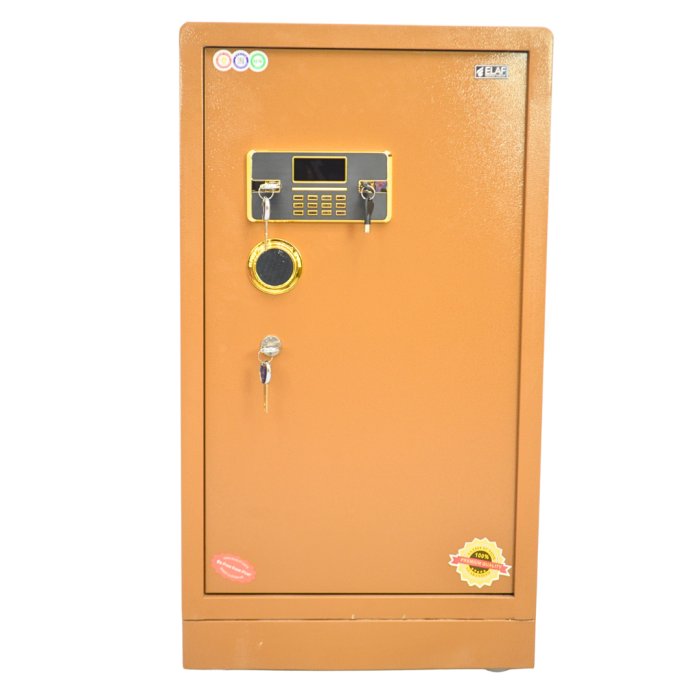
DIGITAL SAFETY LOCKER (FT-K8-1000)
93496 tk 93496 tk
প্রোডাক্ট কোড: 456
| ঢাকার ভিতরে ডেলিভারি | ৳ 60 |
| ঢাকার বাইরে ডেলিভারি | ৳ 130 |
পন্যের বিবরণ
Secure Your Valuables at Work with the Digital Safety Locker FT-K8-1000
The Digital Safety Locker (FT-K8-1000) is a practical storage solution built for office environments and workspace settings. Whether you're securing cash, documents, personal items, or equipment during the workday, this locker provides reliable protection for valuables that need to stay safe while you focus on your tasks.
Designed with workplace efficiency in mind, the FT-K8-1000 uses digital access control to protect contents without requiring traditional keys. This means faster access for authorized users and a clear record of who opened the locker and when—useful details for any office manager or supervisor tracking workplace security.
Practical Digital Access for Daily Desk Use
Daily use at a desk or workspace is straightforward with digital entry. Users set a personal code, enter it when needed, and gain quick access to stored items. No lost keys, no locksmith calls, no workplace disruptions. The digital mechanism is built to handle frequent opening and closing throughout a typical workday without wearing out.
The locking mechanism engages automatically when the door closes, so there's no step you can forget. For teams sharing workspace or rotating staff, digital access makes handover simple—just update the code and you're ready for the next shift or employee.
Sizing and Placement in Office Layouts
The FT-K8-1000 is sized to fit practical office locations: under desks, in storage cabinets, or in secure storage rooms. Its compact footprint means it doesn't monopolize workspace while still providing enough interior volume for typical office valuables—wallets, phones, documents, small equipment, and personal items used during the workday.
The unit is built solid enough to sit securely on shelving or be mounted in fixed positions, so it stays where you place it even with daily access. This stability matters when multiple people work nearby and your locker needs to stay in one reliable spot.
Building Trust in Your Workplace Storage System
A digital safety locker signals to your team that the business takes security seriously. When employees know valuables are genuinely protected, workplace morale improves and distractions decrease. The FT-K8-1000 is straightforward enough that any staff member can use it without training, yet secure enough that it handles real responsibility.
Whether you're managing a small office, a co-working space, a desk-sharing arrangement, or a larger workplace floor, the digital locker removes friction from daily security. No keys to track, no access logs on paper—just reliable digital control that works shift after shift.
Technical Build and Reliability
The FT-K8-1000 is constructed with solid materials to withstand regular use in busy office environments. The digital mechanism is sealed to resist dust and damage from normal workplace conditions. Power is managed efficiently so the locker remains secure during typical office hours, and the digital system stores access data for your records.
Built-in safeguards prevent forced entry attempts without triggering unnecessary alarms. The compact design means it integrates into existing office furniture and desk arrangements without requiring special installation or rewiring. Setup is practical—place it, program your code, and begin using it immediately.
ডিজিটাল নিরাপত্তা লকার আপনার অফিসের জন্য
ডিজিটাল সেফটি লকার (FT-K8-1000) হল অফিস এবং কর্মক্ষেত্রের জন্য তৈরি একটি ব্যবহারিক সমাধান। আপনার নগদ অর্থ, গুরুত্বপূর্ণ কাগজপত্র, ব্যক্তিগত জিনিস বা কাজের সরঞ্জাম সুরক্ষিত রাখুন—সবকিছু ডিজিটাল তালা দিয়ে সুরক্ষিত থাকে। ঐতিহ্যবাহী চাবির ঝামেলা নেই, শুধু দ্রুত এবং নির্ভরযোগ্য প্রবেশাধিকার। আপনি যখন আপনার কাজে মনোনিবেশ করছেন, তখন এটি নিরাপদে আপনার মূল্যবান জিনিসগুলি সংরক্ষণ করে রাখে।
প্রতিদিন ডেস্কে ব্যবহারের জন্য এটি সম্পূর্ণভাবে উপযুক্ত। আপনার ব্যক্তিগত কোড সেট করুন, প্রয়োজনে প্রবেশ করুন এবং তাৎক্ষণিক অ্যাক্সেস পান। কোনো হারানো চাবি নেই, কোনো দীর্ঘ অপেক্ষা নেই। ডোরটি বন্ধ হলেই স্বয়ংক্রিয়ভাবে লক হয়ে যায়, তাই আপনাকে কিছু মনে রাখতে হবে না। যখন একাধিক কর্মচারী অফিসে কাজ করে বা শিফট পরিবর্তন হয়, তখন ডিজিটাল অ্যাক্সেস খুবই সহজ করে দেয়।
FT-K8-1000 কমপ্যাক্ট সাইজের, তাই এটি ডেস্কের নিচে, সংরক্ষণ ক্যাবিনেটে বা নিরাপদ সংরক্ষণ কক্ষে রাখা যায়। এর মজবুত তৈরি নিশ্চিত করে যে এটি প্রতিদিনের ব্যবহারে নির্ভরযোগ্য থাকে এবং যেখানে রাখা হয় সেখানেই থাকে। আপনার অফিসে এটি একটি সংকেত দেয় যে আপনার প্রতিষ্ঠান নিরাপত্তাকে গুরুত্ব সহকারে নেয়। যখন কর্মচারীরা জানে যে তাদের জিনিস সত্যিই সুরক্ষিত, তখন কর্মক্ষেত্রের পরিবেশ আরও ভালো হয়।