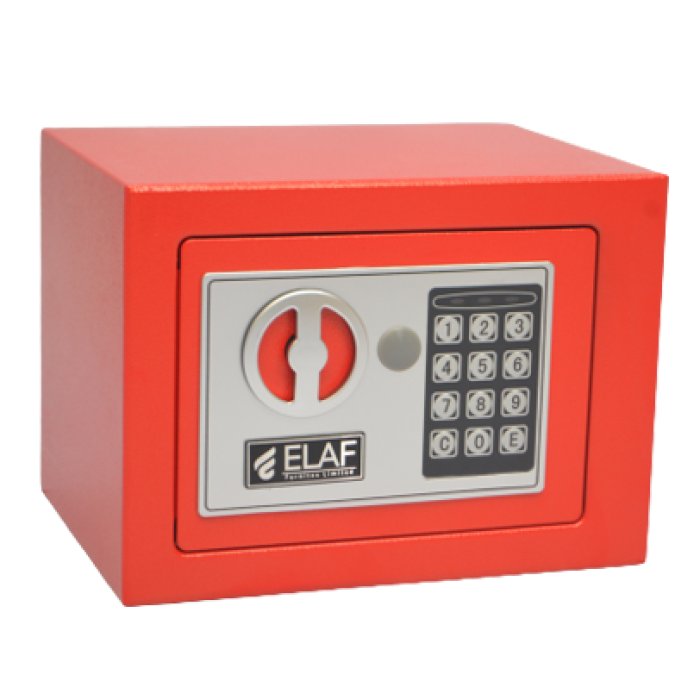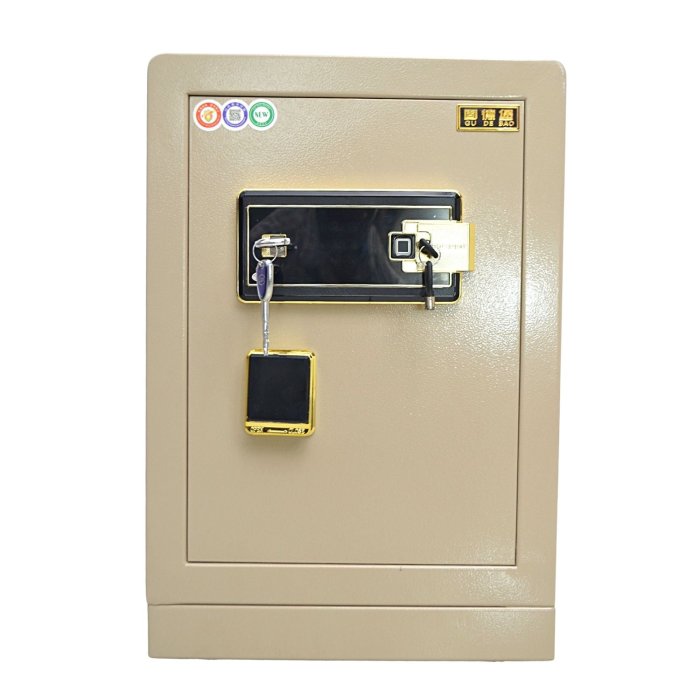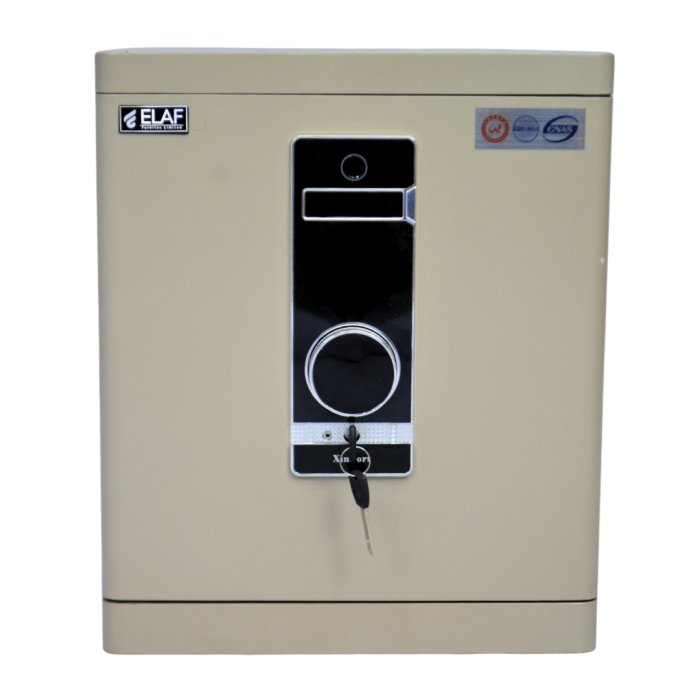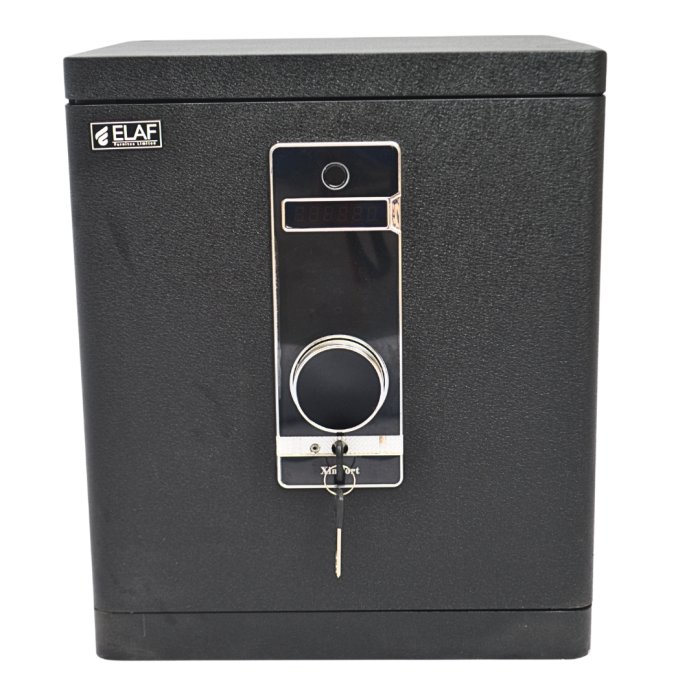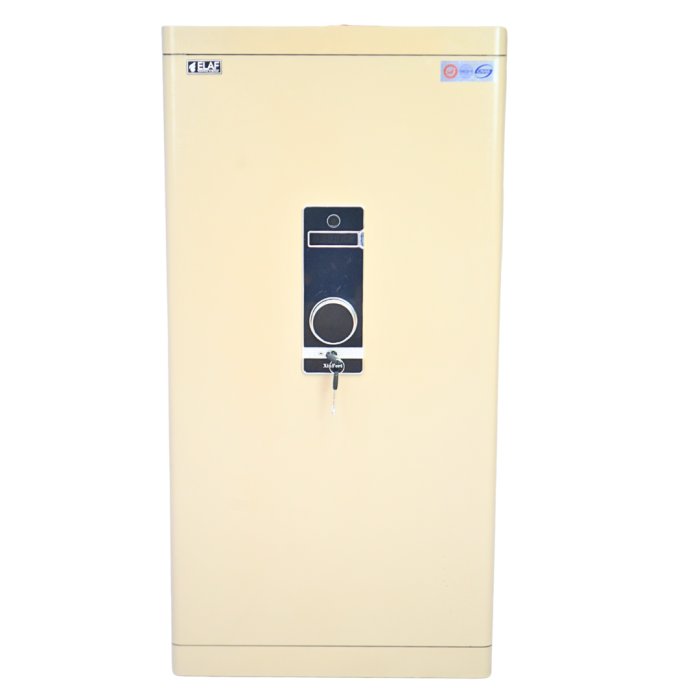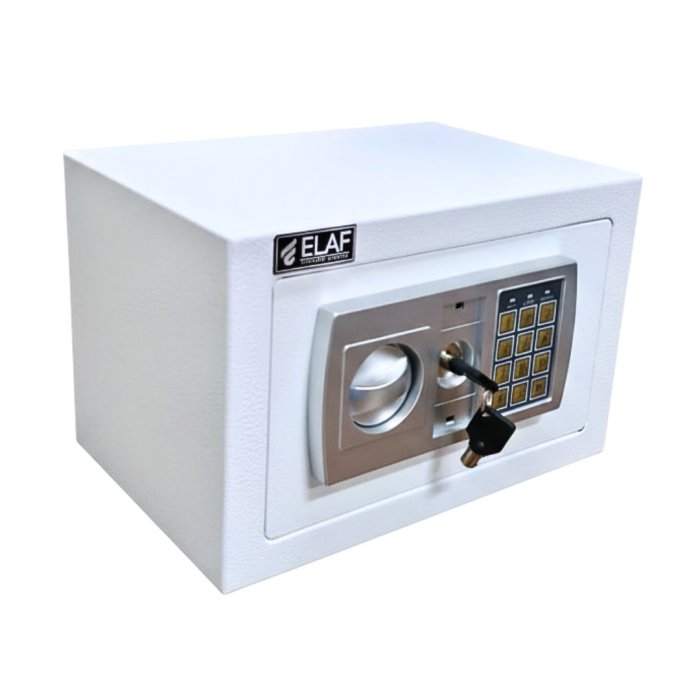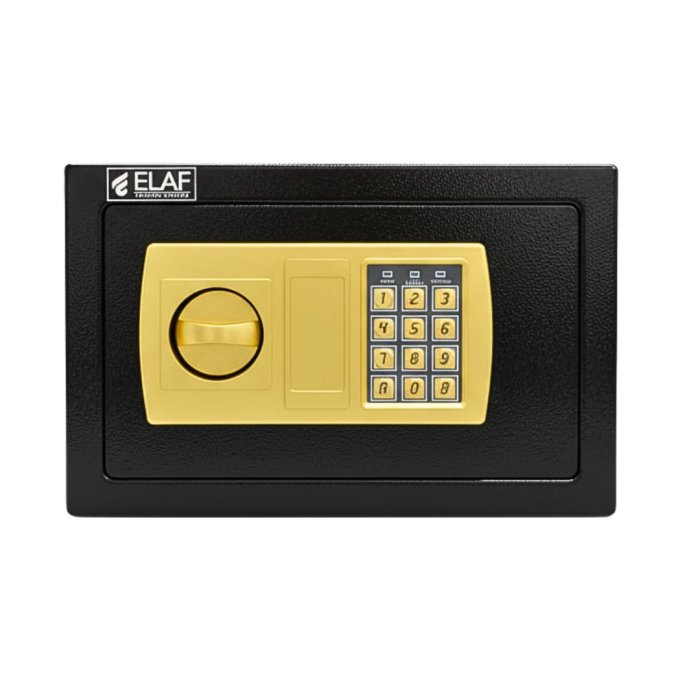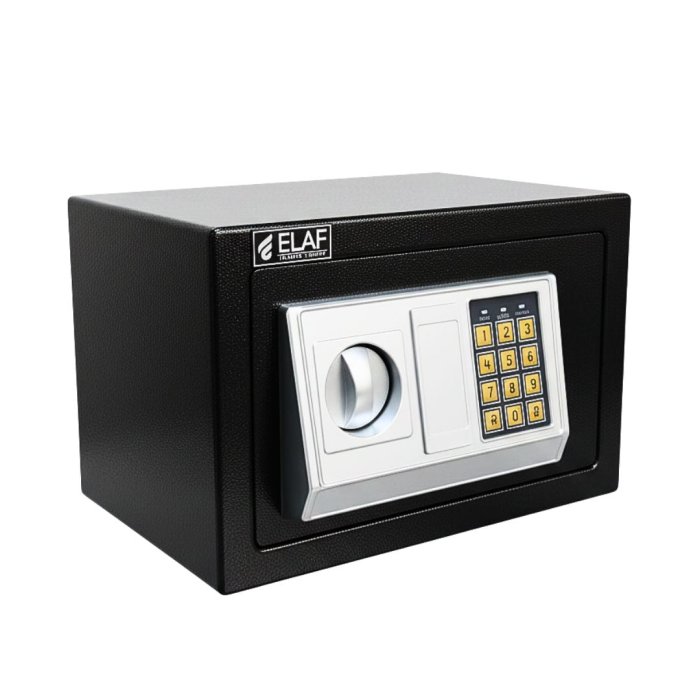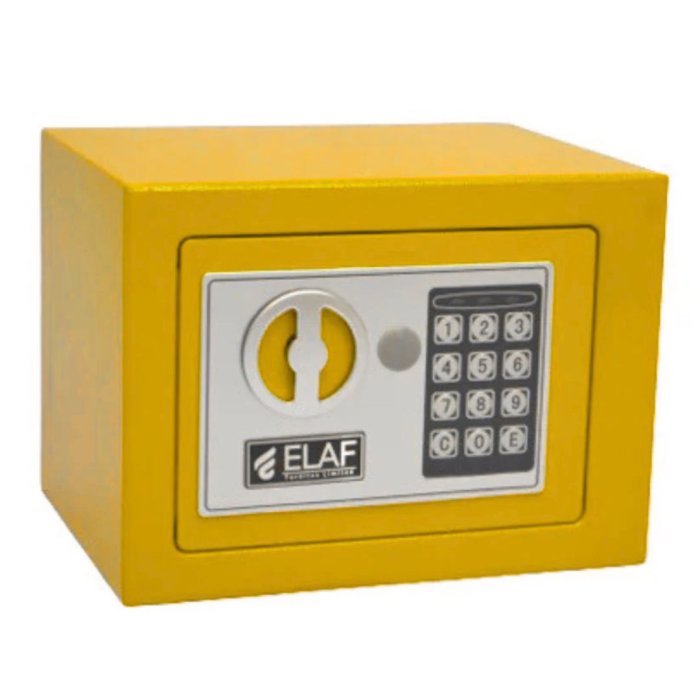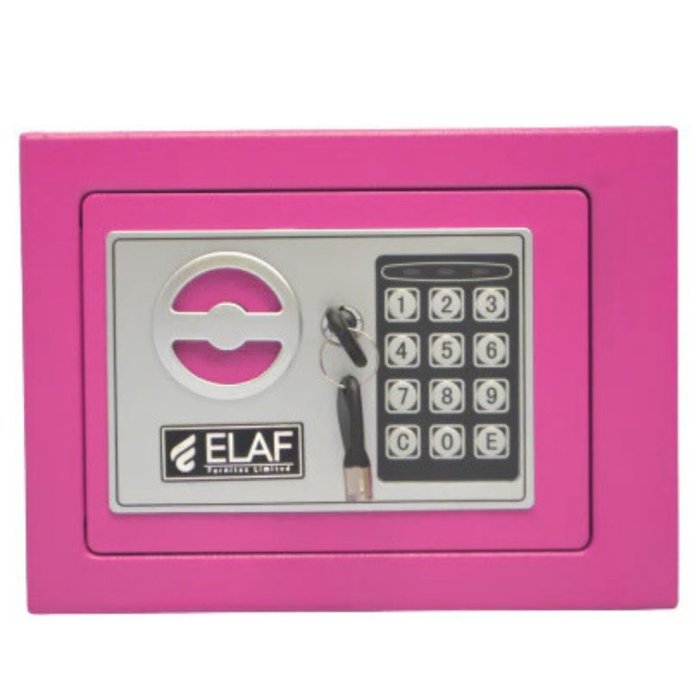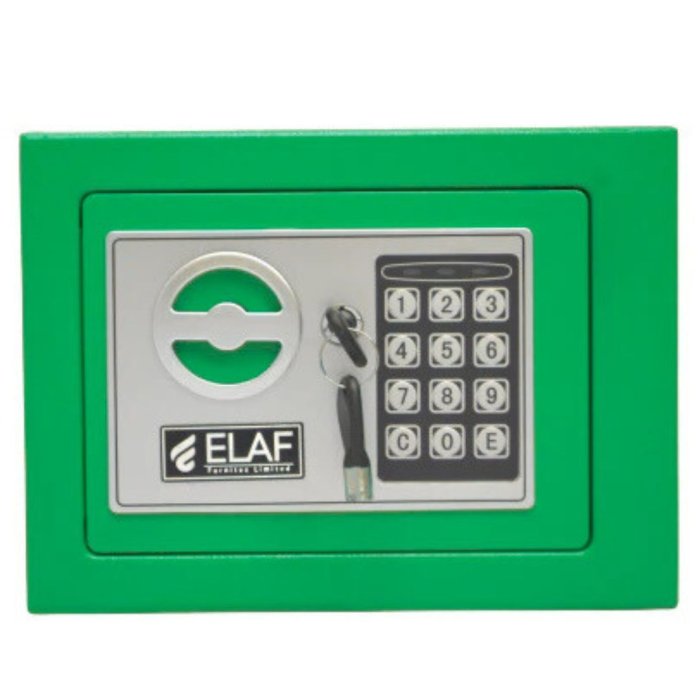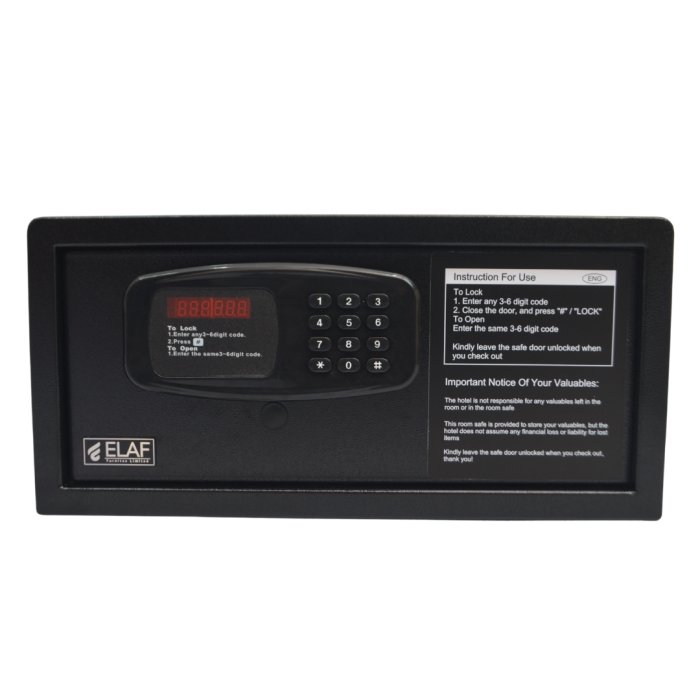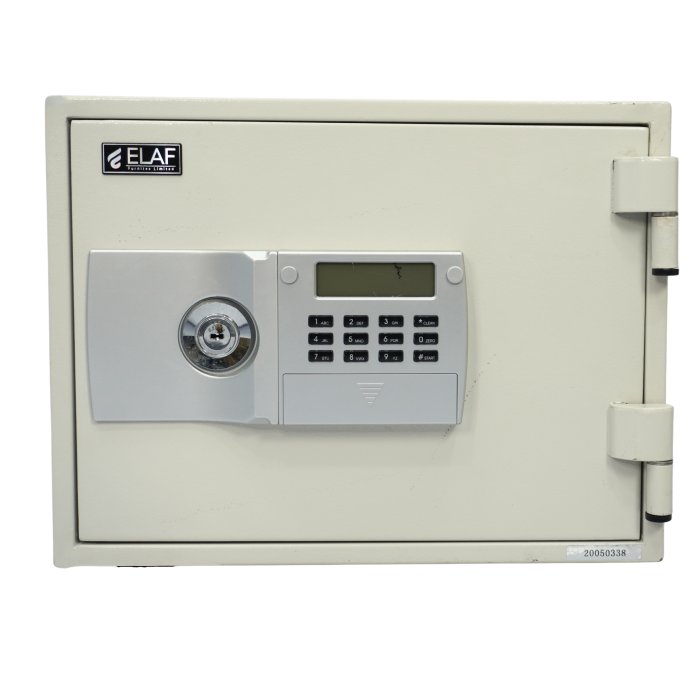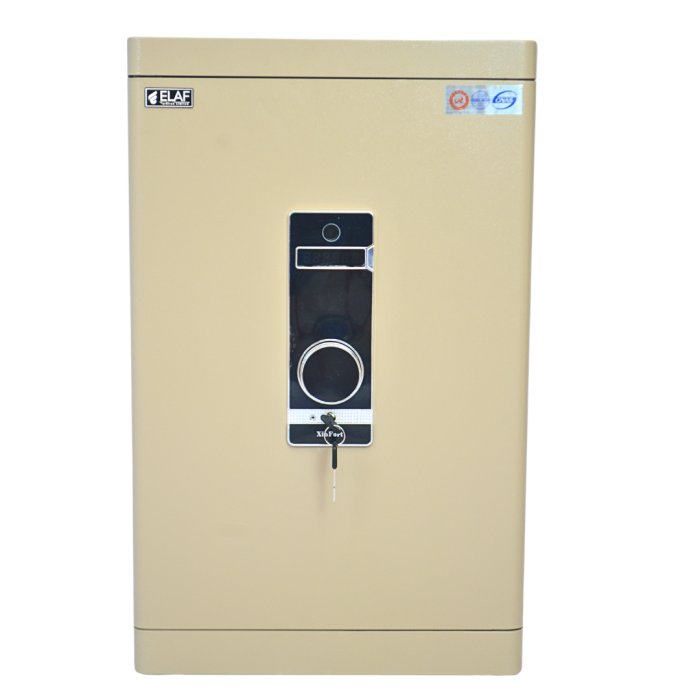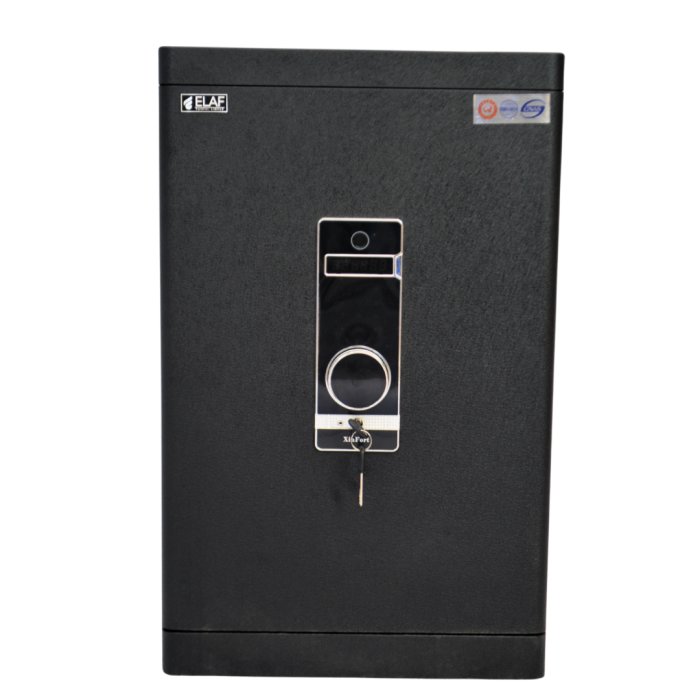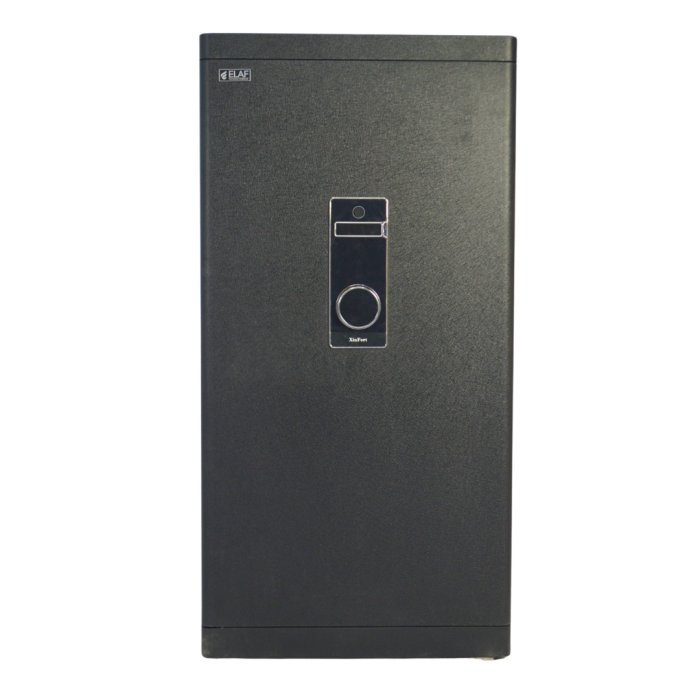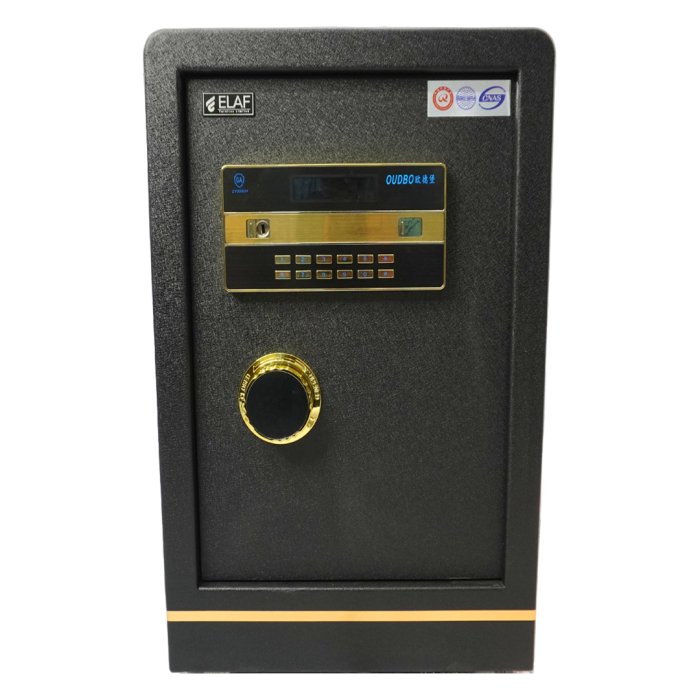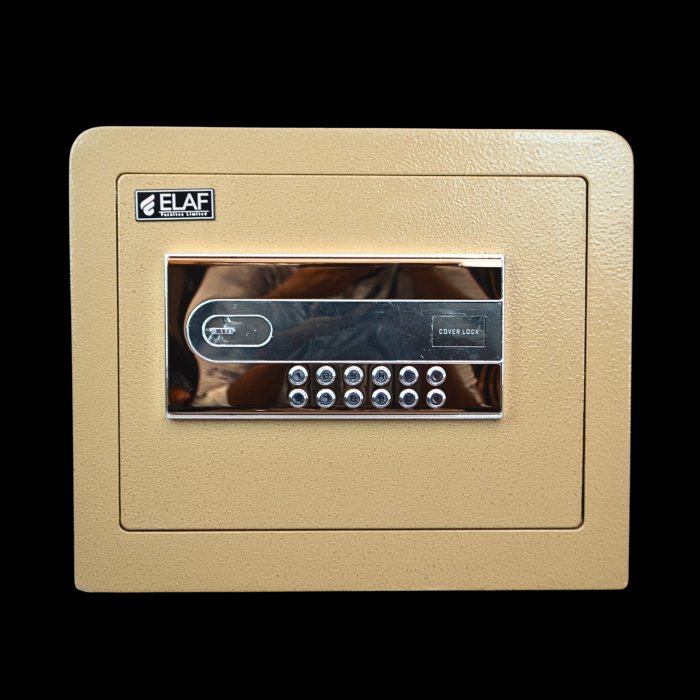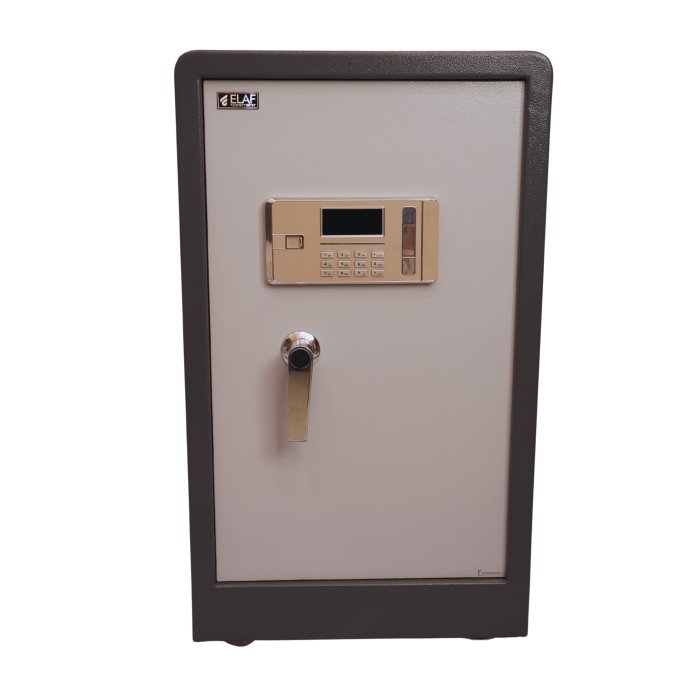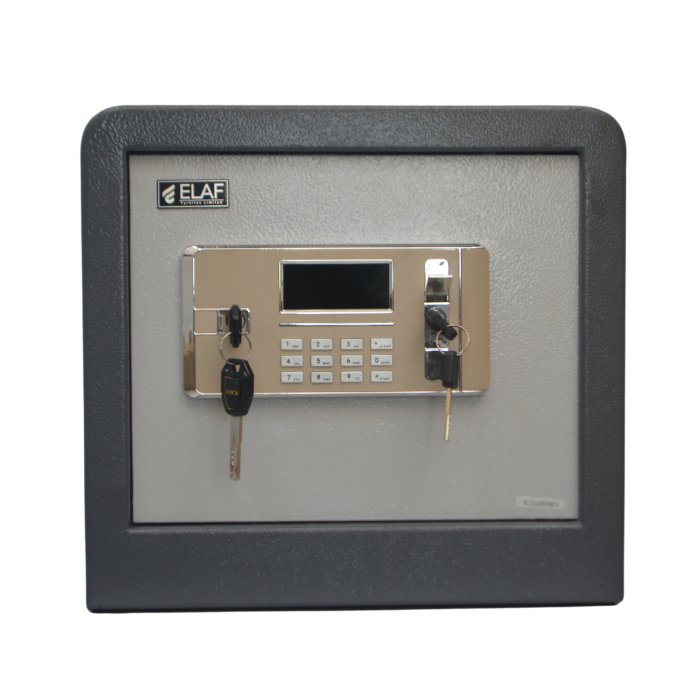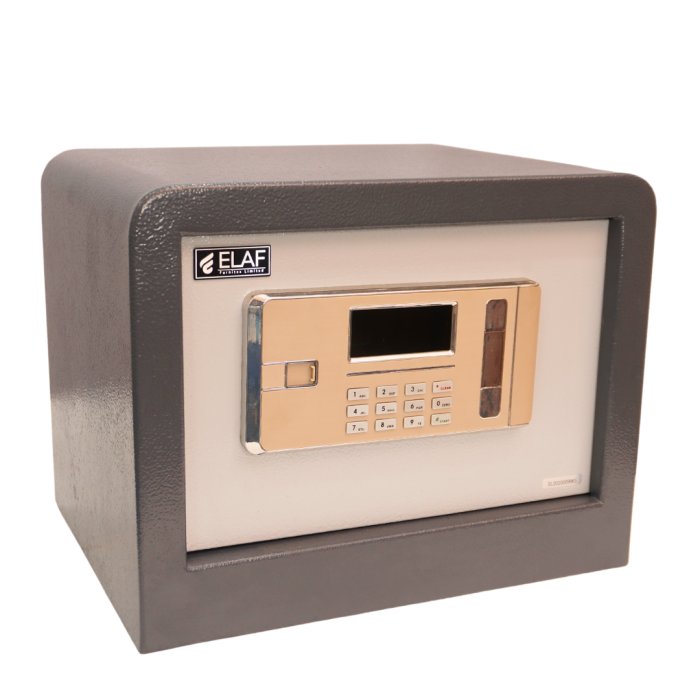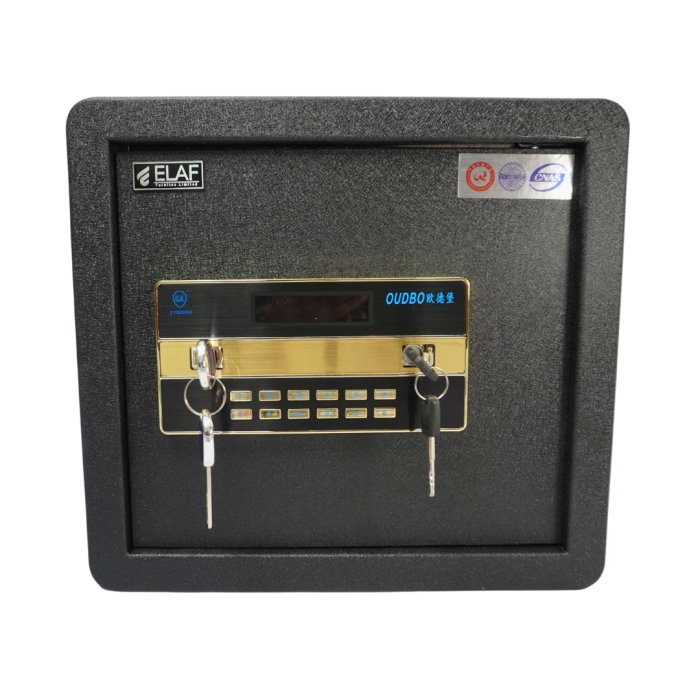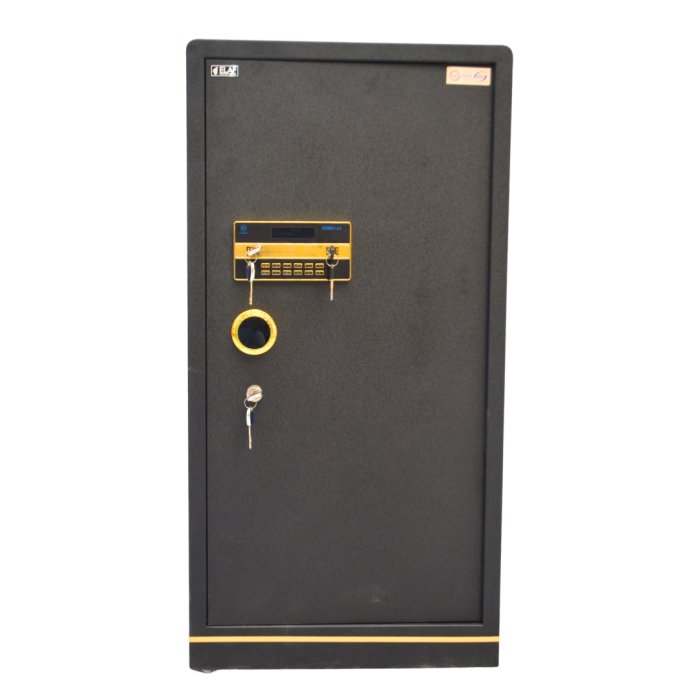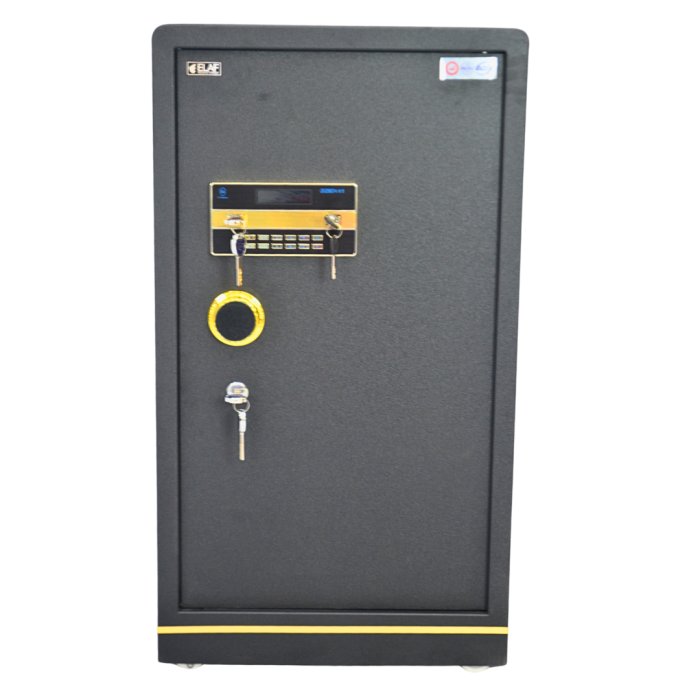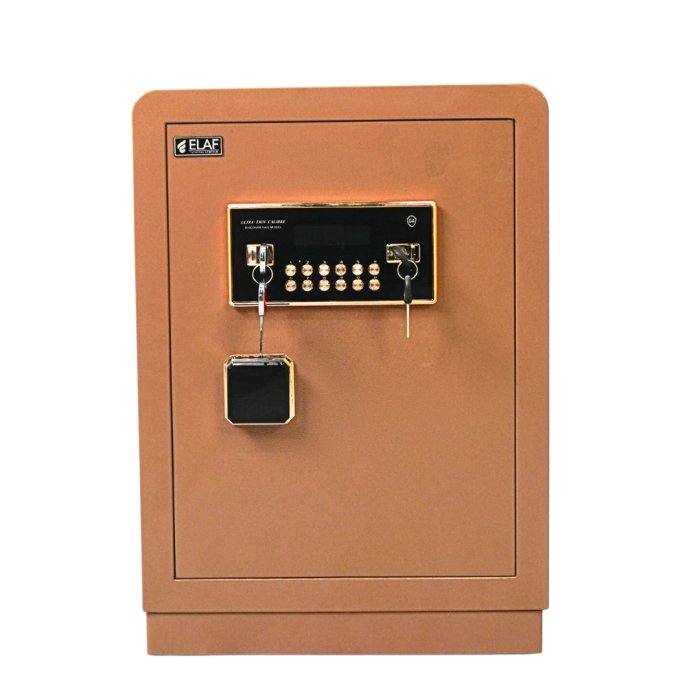
DIGITAL SAFETY LOCKER (D-620)
60320 tk 60320 tk
প্রোডাক্ট কোড: 453
| ঢাকার ভিতরে ডেলিভারি | ৳ 60 |
| ঢাকার বাইরে ডেলিভারি | ৳ 130 |
পন্যের বিবরণ
Secure Your Valuables at Work with the D-620 Digital Safety Locker
The DIGITAL SAFETY LOCKER (D-620) is built for the modern office environment where security and convenience matter equally. Whether you're storing sensitive documents, cash, jewelry, or personal items during your workday, this compact locker offers reliable protection without taking up valuable desk space. The digital access system means you'll never fumble for keys—just enter your code and access your belongings instantly.
In shared office spaces, hot-desking areas, or open-plan workplaces, having your own secure storage is essential. The D-620 is designed to sit comfortably on a shelf, under a desk, or in a cabinet, making it practical for everyday workplace use. Its sturdy construction and locking mechanism ensure that your items stay protected throughout the working day, giving you peace of mind while you focus on your tasks.
How the Digital Access System Works
The D-620 features an easy-to-use digital keypad interface. Set your own access code during initial setup, and you can change it whenever needed. No keys to lose, no combination locks to remember—just a simple numeric code that only you know. The digital system is reliable and straightforward, designed for daily office use where speed and simplicity are valued.
The electronic locking mechanism operates smoothly and responds quickly to authorized access attempts. Power is managed efficiently, so you won't need constant battery replacements. This makes the D-620 a practical choice for permanent or semi-permanent placement in your workspace.
Sizing and Desk Placement
The D-620 is compact and built to fit modern office layouts. Its dimensions are optimized for placement on standard office furniture—shelves, desk corners, or under-desk storage areas. The size is deliberate: large enough to store meaningful items, small enough not to clutter your working area.
Consider your storage needs before purchasing. This locker accommodates documents, small electronics, accessories, and personal items comfortably. Its footprint doesn't interfere with your keyboard, monitor, or daily desk workflow. Many office workers use it as a primary secure storage for items they need access to during business hours without leaving them exposed on their desk.
Build Quality for Daily Workplace Use
The D-620 is constructed to withstand regular office use. Its cabinet is reinforced to resist tampering and casual attempts at opening. The digital mechanism is housed securely within the body, protecting it from damage or interference. The overall build quality reflects the demands of a busy workplace where the locker may be accessed multiple times throughout a working day.
This is not a safe designed for long-term vault storage or extreme security scenarios. Rather, it's built as a practical workplace tool—sturdy enough for routine office security, reliable for daily access, and straightforward enough that any staff member can use it without confusion or complicated procedures.
Setup and Maintenance
Initial setup is simple and requires no technical expertise. You'll set your digital code and test the locking mechanism before relying on it for your valuables. Maintenance is minimal—the locker requires occasional checks to ensure the digital keypad is functioning properly and batteries (if applicable) are in good condition.
Since the D-620 is designed for office environments, it works best when kept in a dry, temperature-controlled workspace. No special calibration or maintenance procedures are needed for typical daily use. It's built to be one less thing to worry about during your working day.
ডিজিটাল সেফটি লকার (ডি-620) - আপনার অফিসের নিরাপদ সংরক্ষণ সমাধান
ডি-620 ডিজিটাল সেফটি লকার আপনার অফিসে এবং কর্মক্ষেত্রে মূল্যবান জিনিসপত্র সুরক্ষিত রাখার জন্য বিশেষভাবে ডিজাইন করা হয়েছে। আপনার নথিপত্র, টাকা, গহনা বা ব্যক্তিগত জিনিস যা কাজের সময় চাই তা এই লকারে নিরাপদে রাখতে পারবেন। ডিজিটাল প্রবেশাধিকার ব্যবস্থা মানে আপনাকে চাবি খোঁজার চিন্তা করতে হবে না—শুধু আপনার কোড প্রবেশ করুন এবং সেকেন্ডের মধ্যে আপনার জিনিস বের করুন। শেয়ার করা অফিস, ওপেন ওয়ার্কস্পেস বা বড় টিমের জায়গায় নিজের নিরাপদ আলমারি থাকা অত্যন্ত জরুরি। এটি আপনার ডেস্কের নিচে, তাকে বা ফাইলিং ক্যাবিনেটে রাখা যায়—কোনো অতিরিক্ত জায়গা লাগে না এবং আপনার কাজে বাধা দেয় না।
ডি-620 একটি সহজ কিন্তু শক্তিশালী ডিজিটাল কীপ্যাড সিস্টেম ব্যবহার করে। আপনি নিজের পছন্দের কোড সেট করতে পারেন এবং যেকোনো সময় পরিবর্তন করতে পারেন। কোনো জটিলতা নেই, শুধু একটি সংখ্যা কোড যা শুধু আপনি জানেন। এই লকারটি দৈনন্দিন অফিস ব্যবহারের জন্য নির্ভরযোগ্য এবং সহজ। ইলেকট্রনিক লক প্রণালী দ্রুত এবং মসৃণভাবে কাজ করে, তাই আপনি সহজেই দিনে একাধিকবার এটি ব্যবহার করতে পারবেন। ব্যাটারি খরচ কম এবং দীর্ঘস্থায়ী, যা একটি চিরস্থায়ী কর্মক্ষেত্রের জন্য আদর্শ।
এই লকারের সাইজ আধুনিক অফিসের কথা মাথায় রেখে তৈরি করা হয়েছে। এটি যথেষ্ট ছোট যাতে আপনার ডেস্ক বা তাকে সহজেই রাখা যায়, কিন্তু যথেষ্ট বড় যাতে গুরুত্বপূর্ণ জিনিস রাখা যায়। নথি, ছোট ইলেকট্রনিক্স, ব্যক্তিগত জিনিস সবকিছুই এতে সংরক্ষণ করতে পারবেন। ডি-620 আপনার কাজের প্রবাহে কোনো বাধা আনে না এবং প্রতিটি কর্মচারী সহজেই এটি ব্যবহার করতে পারে। এটি নিয়মিত অফিস ব্যবহারের জন্য তৈরি—মজবুত এবং নির্ভরযোগ্য, কোনো জটিল রক্ষণাবেক্ষণের প্রয়োজন নেই।