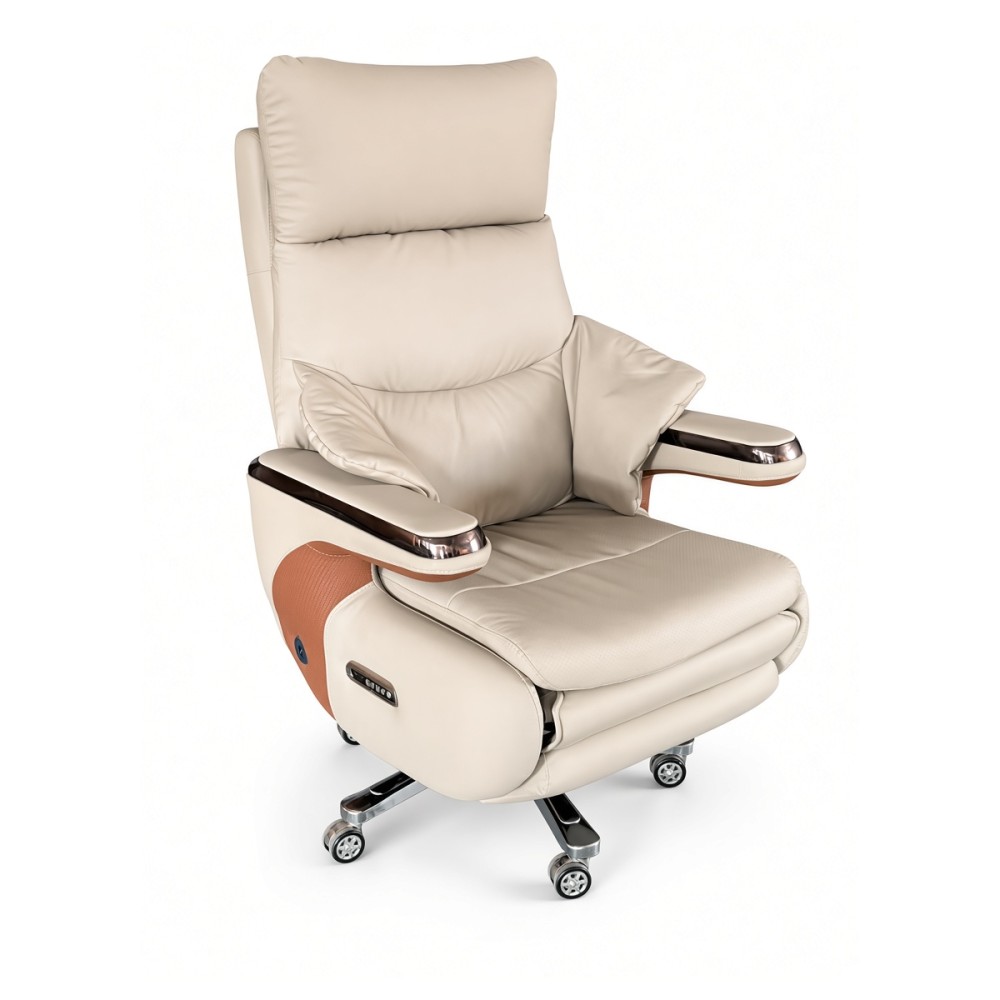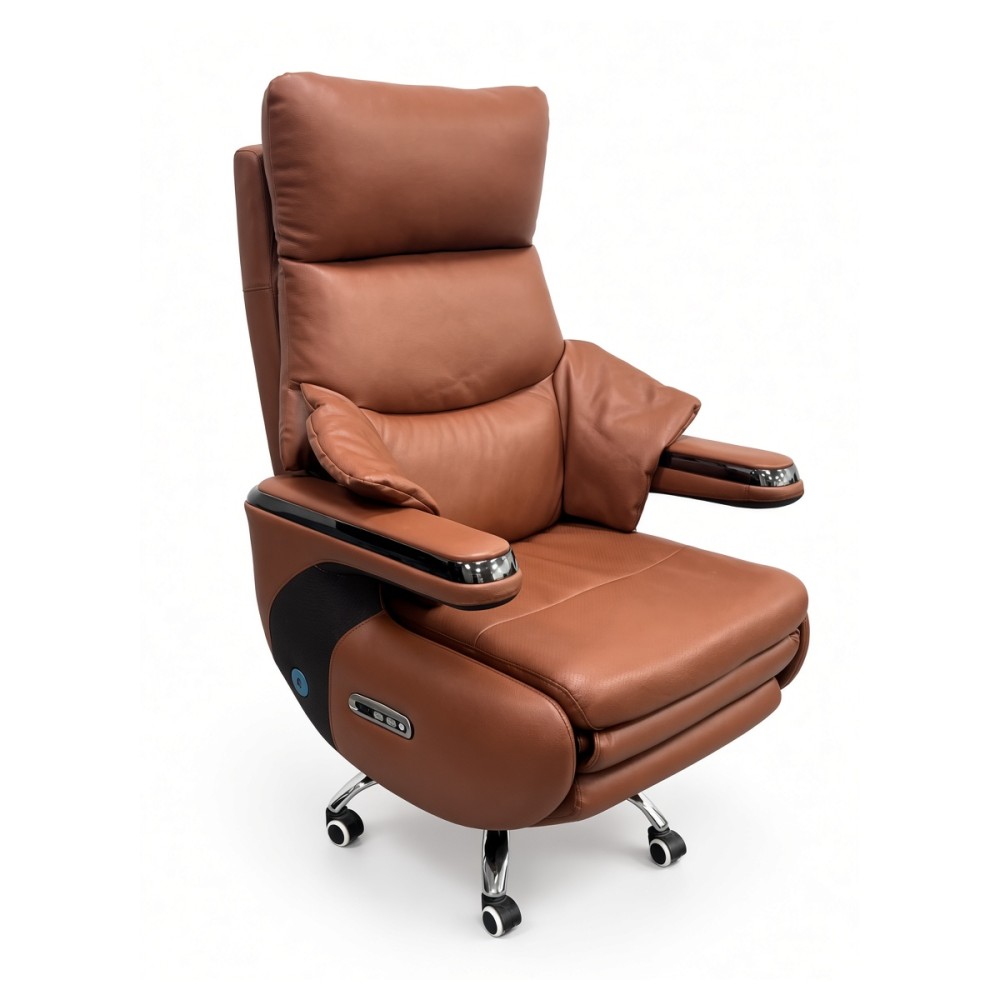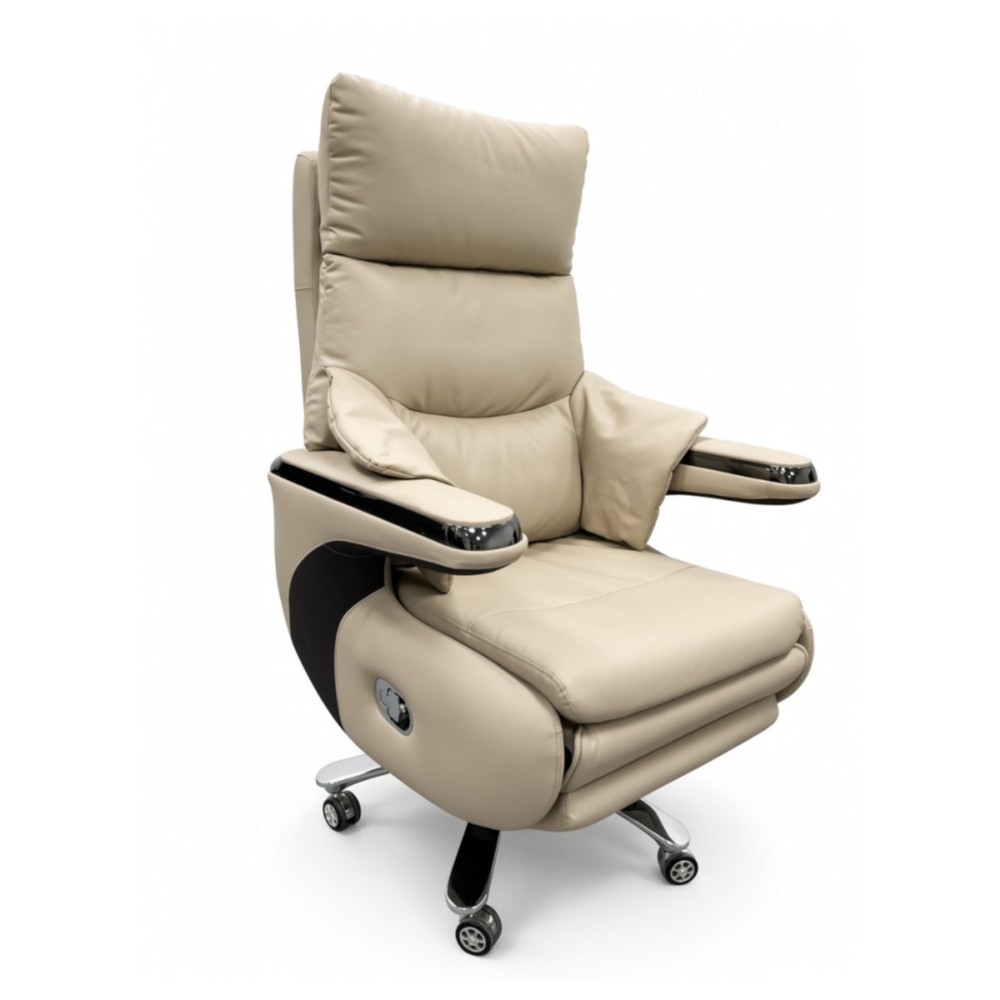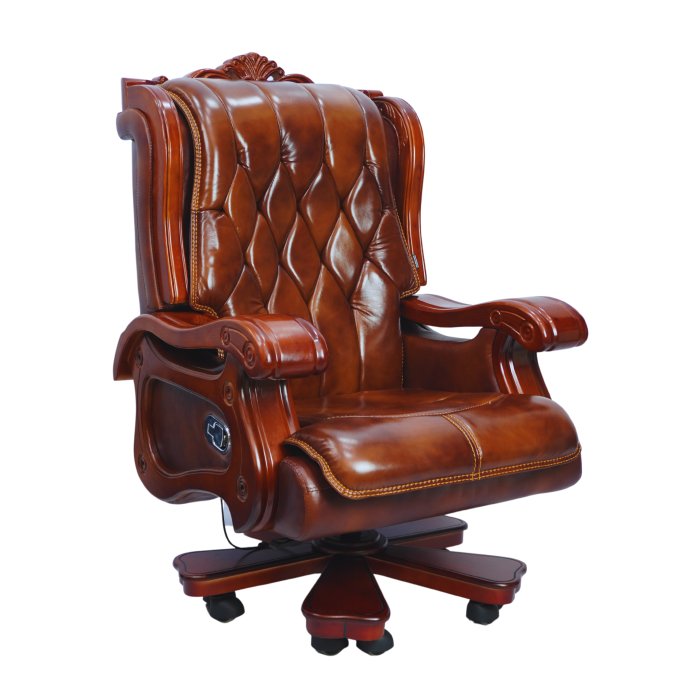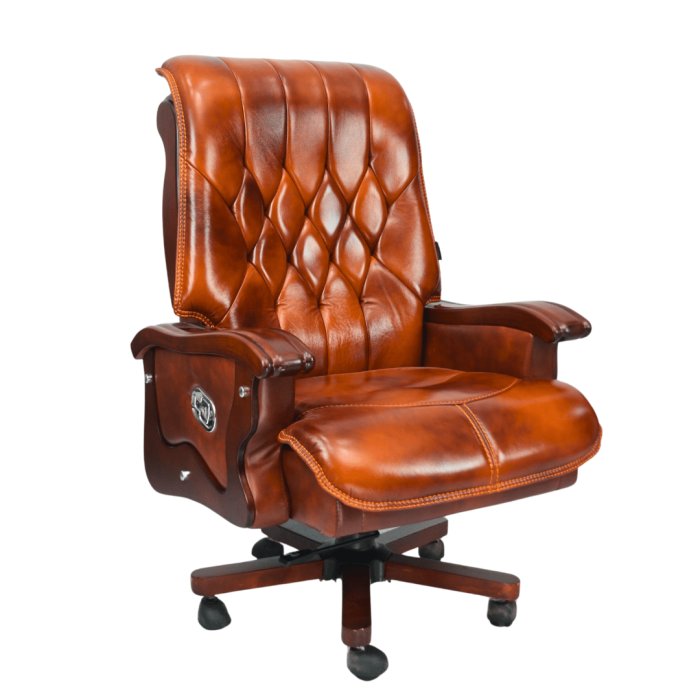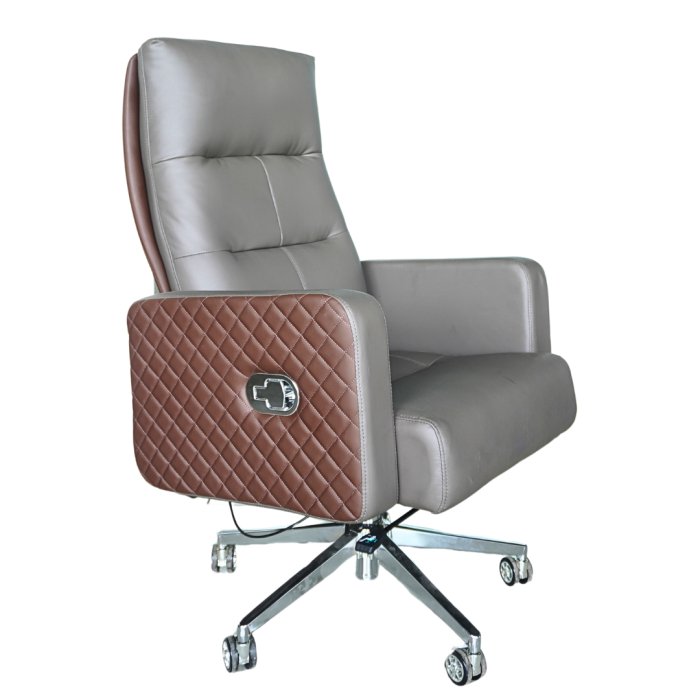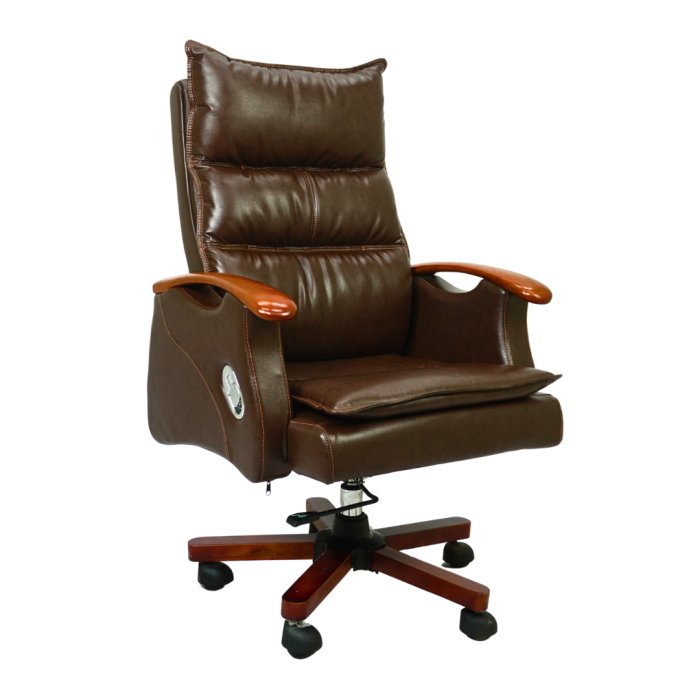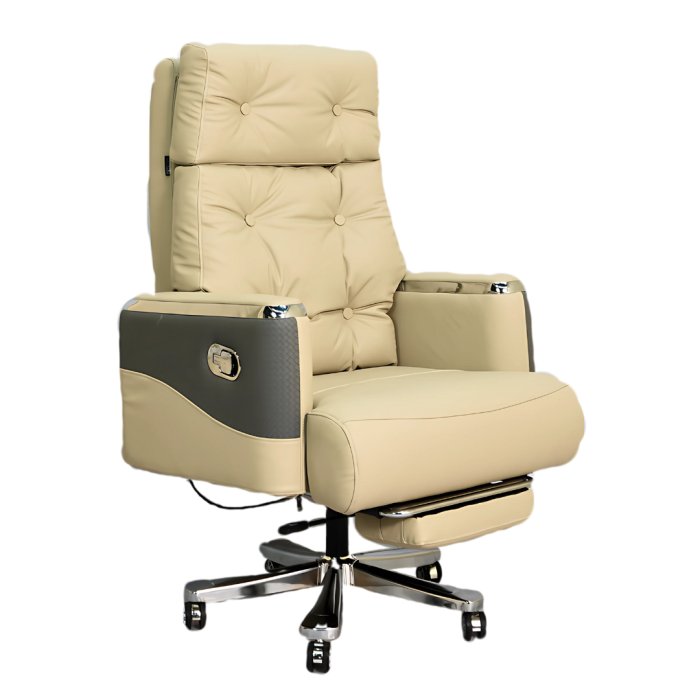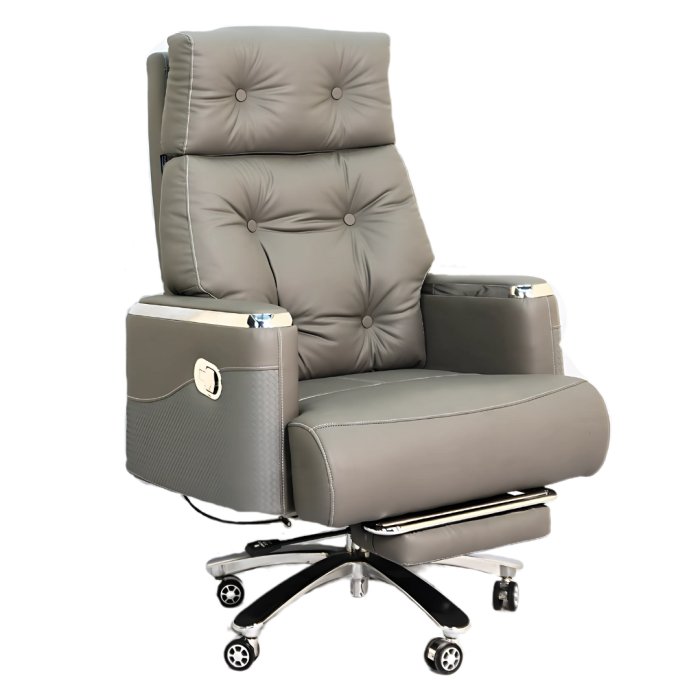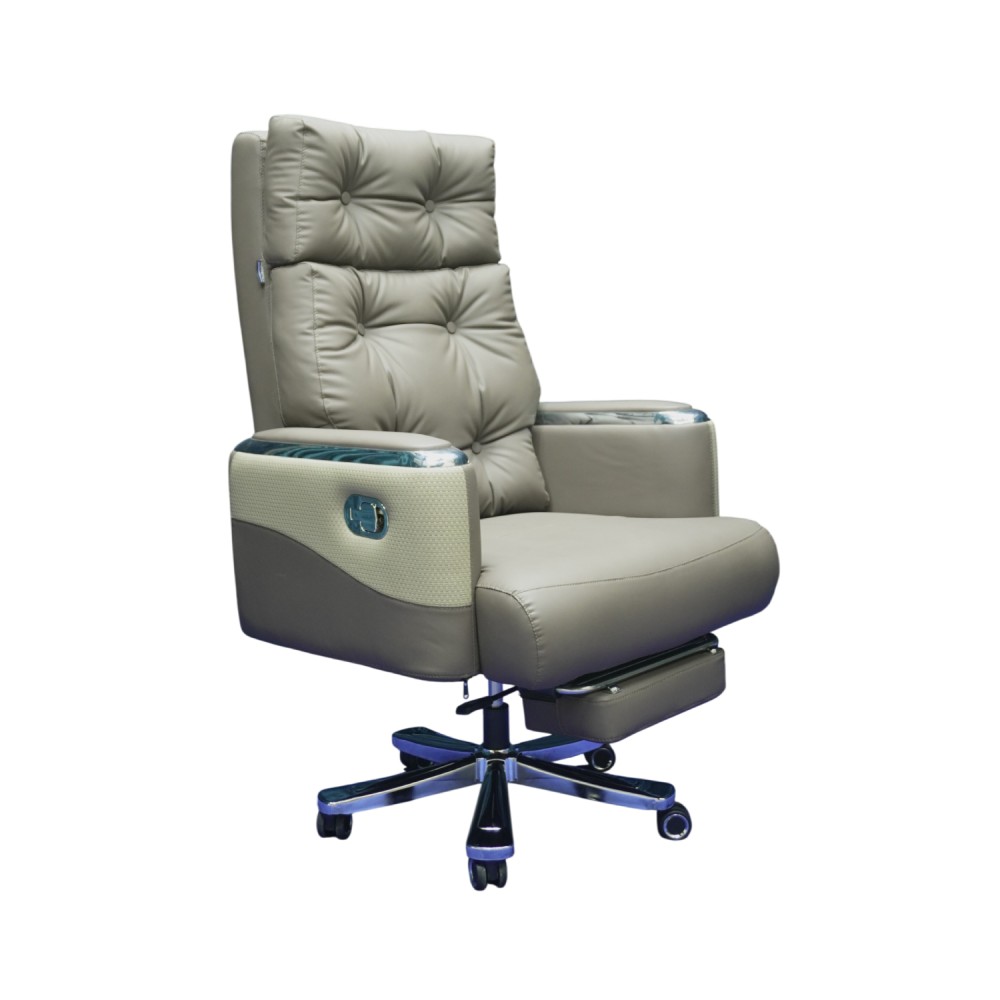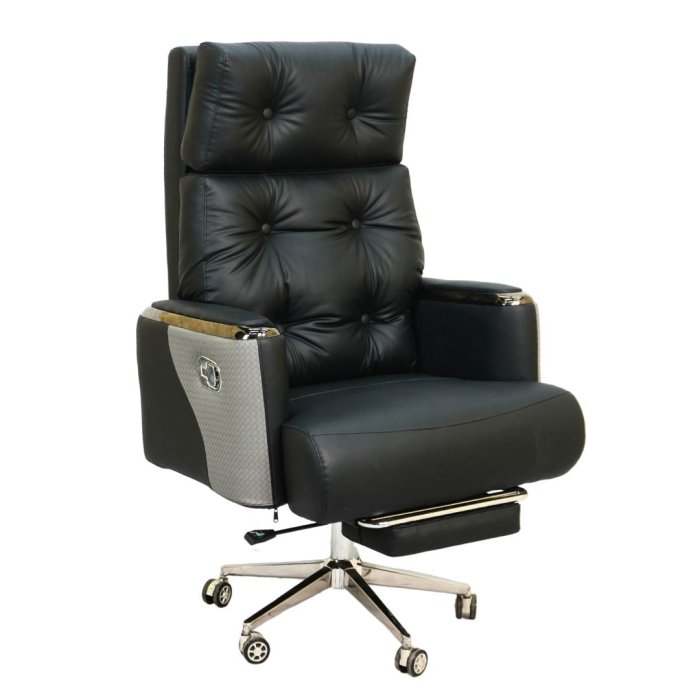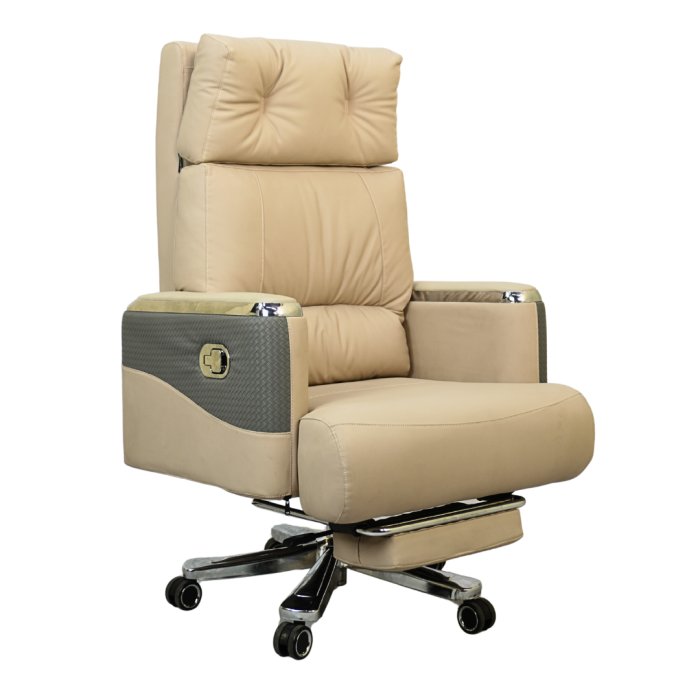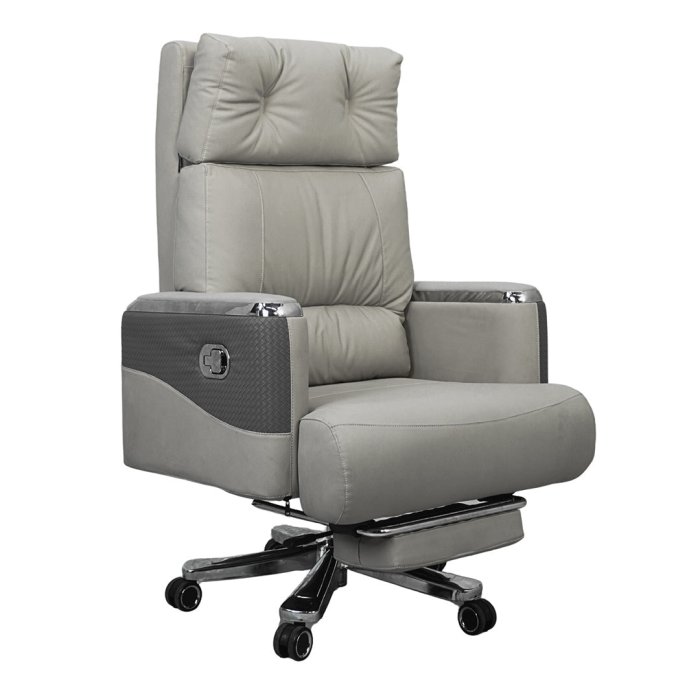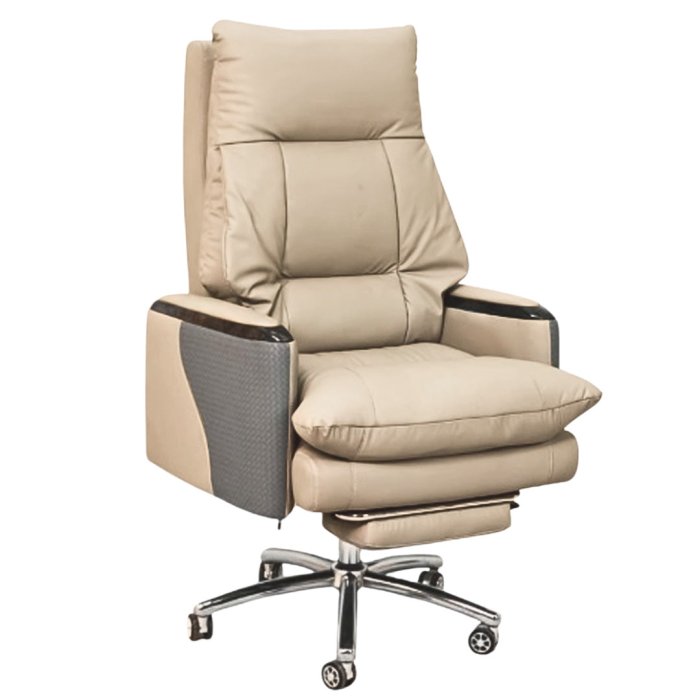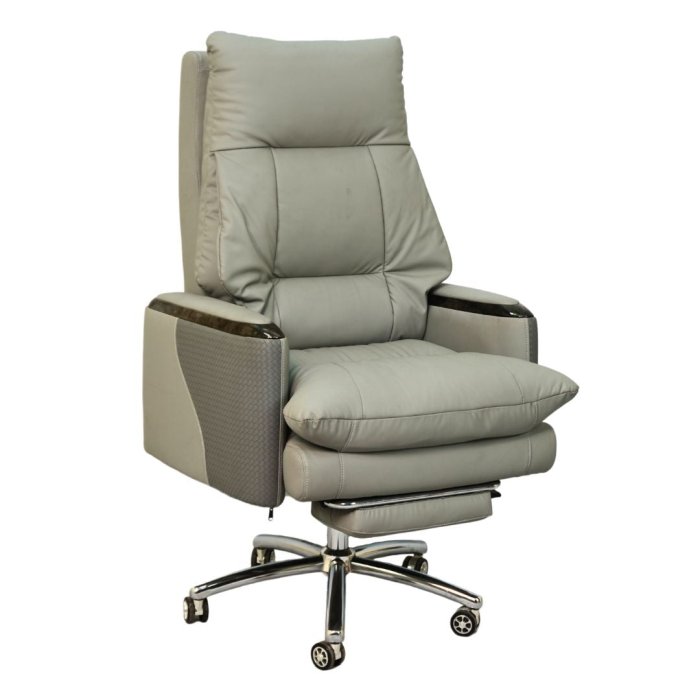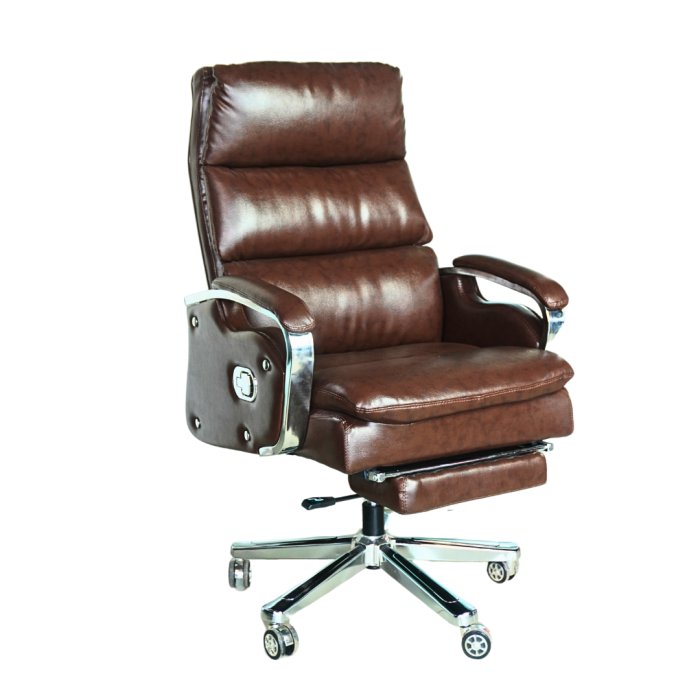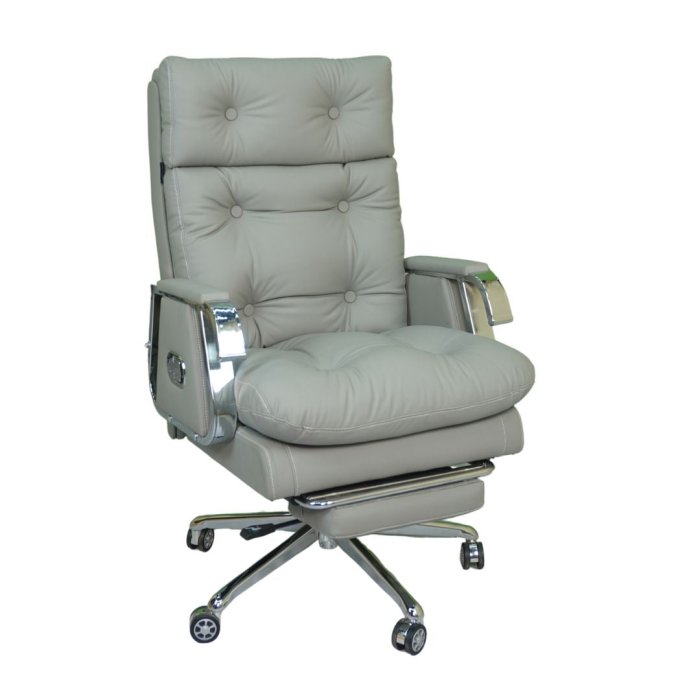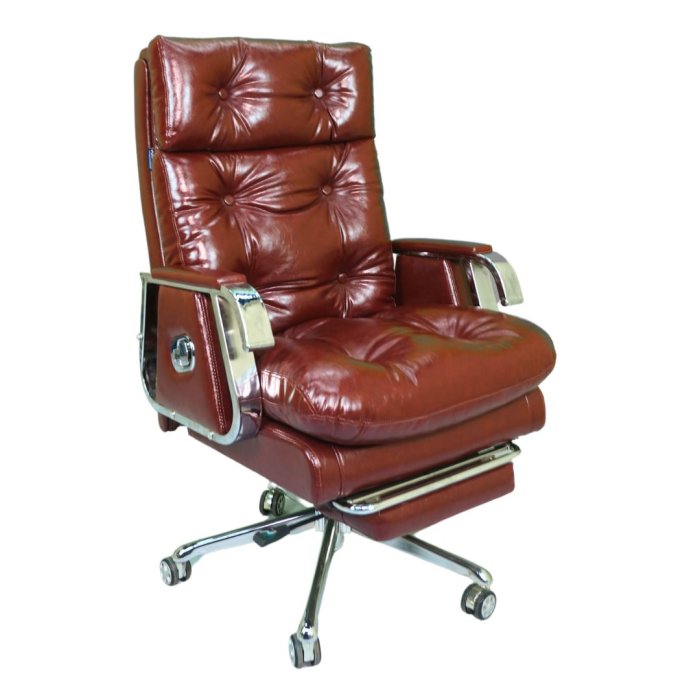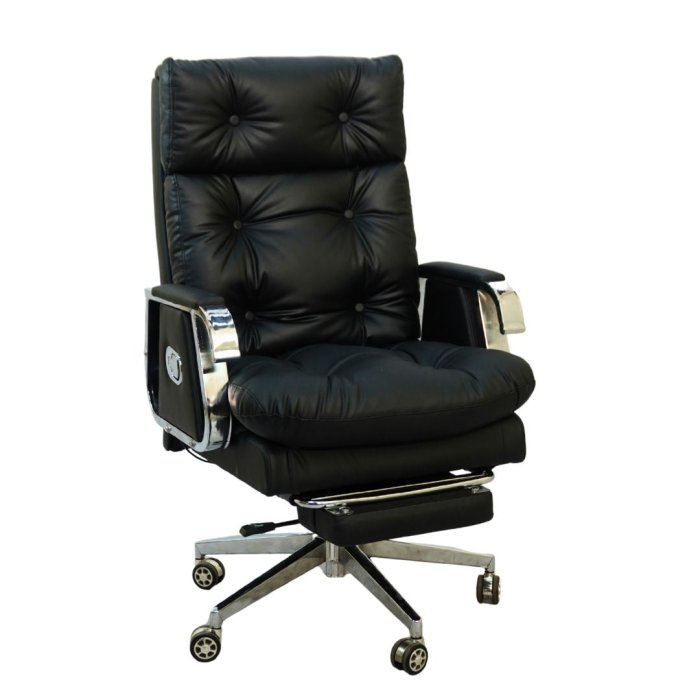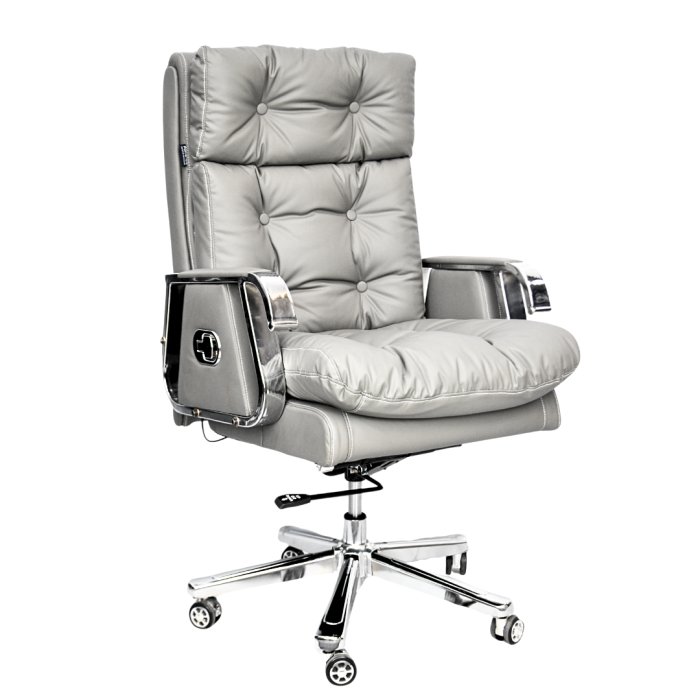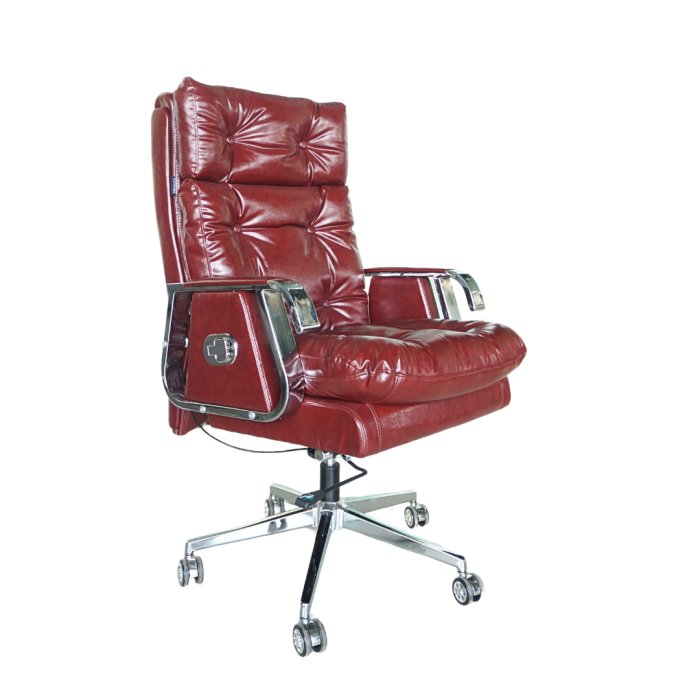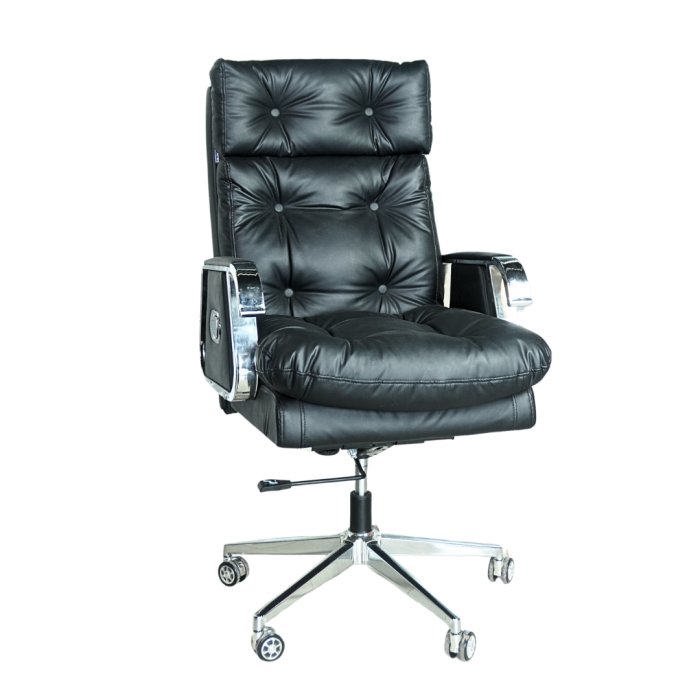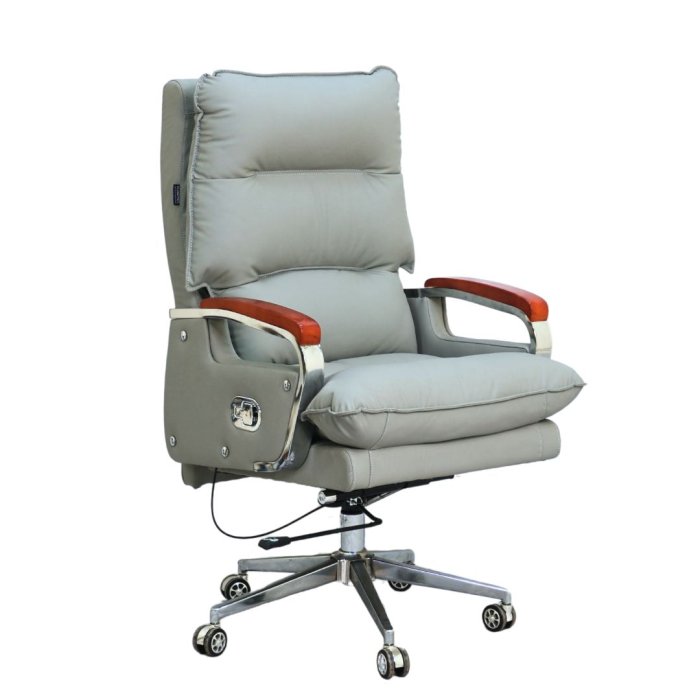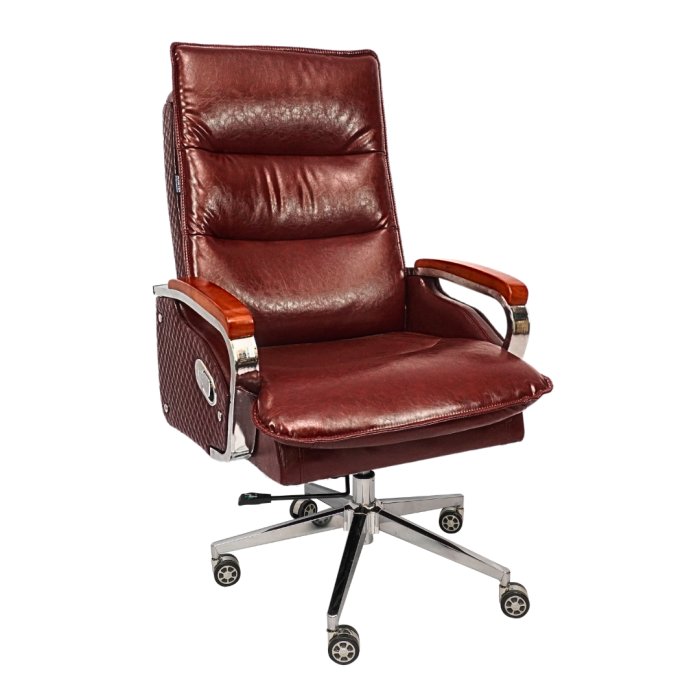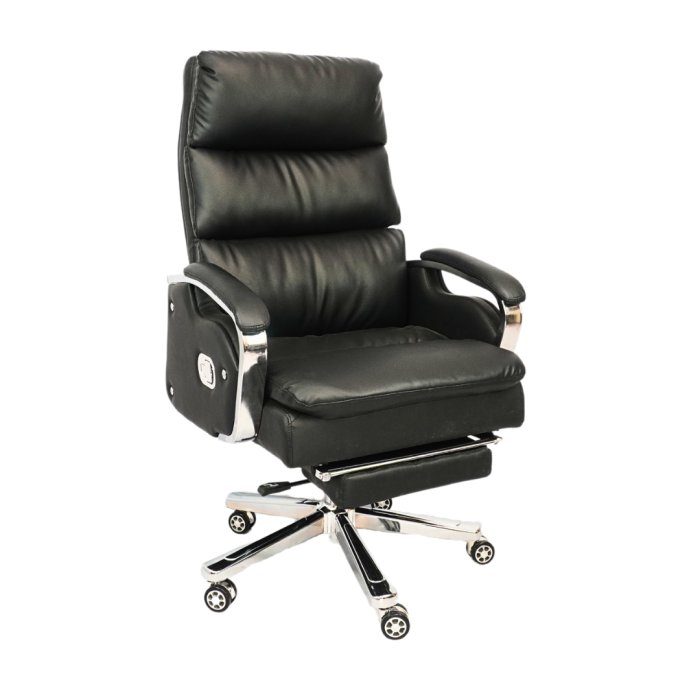
Comfortable Luxury Boss Chair with Footrest (FT-H809) Black
41392 tk 88400 tk
প্রোডাক্ট কোড: 439
| ঢাকার ভিতরে ডেলিভারি | ৳ 60 |
| ঢাকার বাইরে ডেলিভারি | ৳ 130 |
পন্যের বিবরণ
Professional Comfort for Your Office Chair
The Comfortable Luxury Boss Chair with Footrest (FT-H809) is built for professionals who spend long hours at their desk. This chair combines supportive ergonomic design with a practical footrest, making it an essential piece of office furniture for anyone serious about maintaining comfort during the workday. The black finish fits seamlessly into any modern workplace or home office setup.
Whether you're managing emails, attending back-to-back meetings, or working on detailed tasks, this boss chair supports your body throughout the day. The footrest feature allows you to adjust your leg position, reducing strain and promoting better circulation during extended sitting sessions. This is particularly useful during long work periods when your feet need relief from the floor.
Build and Construction Quality
The FT-H809 is constructed with durability in mind for daily office use. The chair features a solid structure designed to handle regular use in demanding workplace environments. The black upholstery is practical for maintaining a professional appearance while being easy to care for in a busy office setting. The overall build prioritizes stability, so the chair remains steady whether you're sitting still or moving around your workspace.
The footrest is integrated into the chair's base, offering convenient leg support without requiring additional floor space. This design makes the chair practical for compact office cubicles or home workspaces where every inch matters. The footrest functions as a functional component that serves your comfort needs throughout the workday.
Sizing and Desk Compatibility
This boss chair is designed to fit standard office desk setups. The seat height and backrest dimensions accommodate typical office furniture arrangements, making it a straightforward addition to your workspace. Before purchasing, consider your desk height and the clearance in your office area to ensure proper fit and comfortable positioning at your work surface.
The chair's dimensions allow it to function effectively in both private offices and shared workspace areas. Its black color and professional appearance mean it works in formal corporate settings as well as creative office environments. The size is substantial enough to provide support without dominating your office layout.
Daily Use in the Workplace
For daily workplace use, this chair delivers practical functionality. The footrest becomes particularly valuable during long workdays, offering a place to rest your feet and adjust your sitting position. This kind of positional flexibility is important when you're managing multiple tasks and need to maintain focus at your desk throughout the day.
The chair is designed for consistent daily use in office environments. Its black upholstery resists showing dust and minor marks, keeping your workspace looking professional even after weeks of regular use. This makes it a practical choice for busy professionals who need reliable furniture that performs day after day without requiring constant cleaning or maintenance.
Why Choose This Chair for Your Workspace
Investing in a quality boss chair with footrest support demonstrates a commitment to maintaining your comfort and productivity during work hours. The FT-H809 brings luxury-level comfort to your daily office routine without unnecessary complexity. It's built for people who understand that spending eight hours or more at a desk requires proper support, and this chair delivers on that need with practical, straightforward design.
অফিস এবং কর্মক্ষেত্রের জন্য আরামদায়ক চেয়ার
কমফোর্টেবল লাক্সারি বস চেয়ার উইথ ফুটরেস্ট (এফটি-এইচ৮০৯) ব্ল্যাক একটি পেশাদার অফিস চেয়ার যা দীর্ঘ সময় ডেস্কে বসে কাজ করার জন্য ডিজাইন করা হয়েছে। এই চেয়ারটি আপনার কর্মদিবসের সময় শরীরকে সঠিক সমর্থন প্রদান করে এবং ফুটরেস্টের মাধ্যমে আপনার পায়ের জন্য আরাম নিশ্চিত করে। কালো রঙের ডিজাইন যেকোনো আধুনিক অফিস বা বাড়ির কর্মক্ষেত্রে পুরোপুরি খাপ খায়। চেয়ারটি শক্ত এবং টেকসই, যা প্রতিদিনের অফিস ব্যবহারের জন্য তৈরি করা হয়েছে।
ফুটরেস্ট বৈশিষ্ট্যটি আপনার পায়ের অবস্থান সামঞ্জস্য করতে এবং দীর্ঘ সময় বসে থাকার সময় পায়ে চাপ কমাতে সাহায্য করে। এটি বিশেষভাবে তখন উপকারী যখন আপনি সারাদিন ডেস্কে কাজ করছেন এবং আপনার পায়ের জন্য একটি আরামদায়ক অবস্থানের প্রয়োজন হয়। কালো আপহোলস্টারি একটি পেশাদার চেহারা বজায় রাখে এবং ব্যস্ত অফিস পরিবেশে রক্ষণাবেক্ষণ করা সহজ।
এই চেয়ারটি সাধারণ অফিস ডেস্কের সাথে মানানসই এবং স্ট্যান্ডার্ড কর্মক্ষেত্রে ব্যবহারের জন্য প্রস্তুত। ফুটরেস্ট চেয়ারের বেসের সাথে একীভূত, যা অতিরিক্ত মেঝের জায়গা প্রয়োজন করে না এবং ছোট অফিস কিউবিকেল বা বাড়ির কর্মক্ষেত্রের জন্য আদর্শ। দৈনিক কর্মক্ষেত্রে ব্যবহারের জন্য এই চেয়ারটি নির্ভরযোগ্য কর্মক্ষমতা প্রদান করে এবং আপনার কাজে মনোনিবেশ করতে সাহায্য করে।