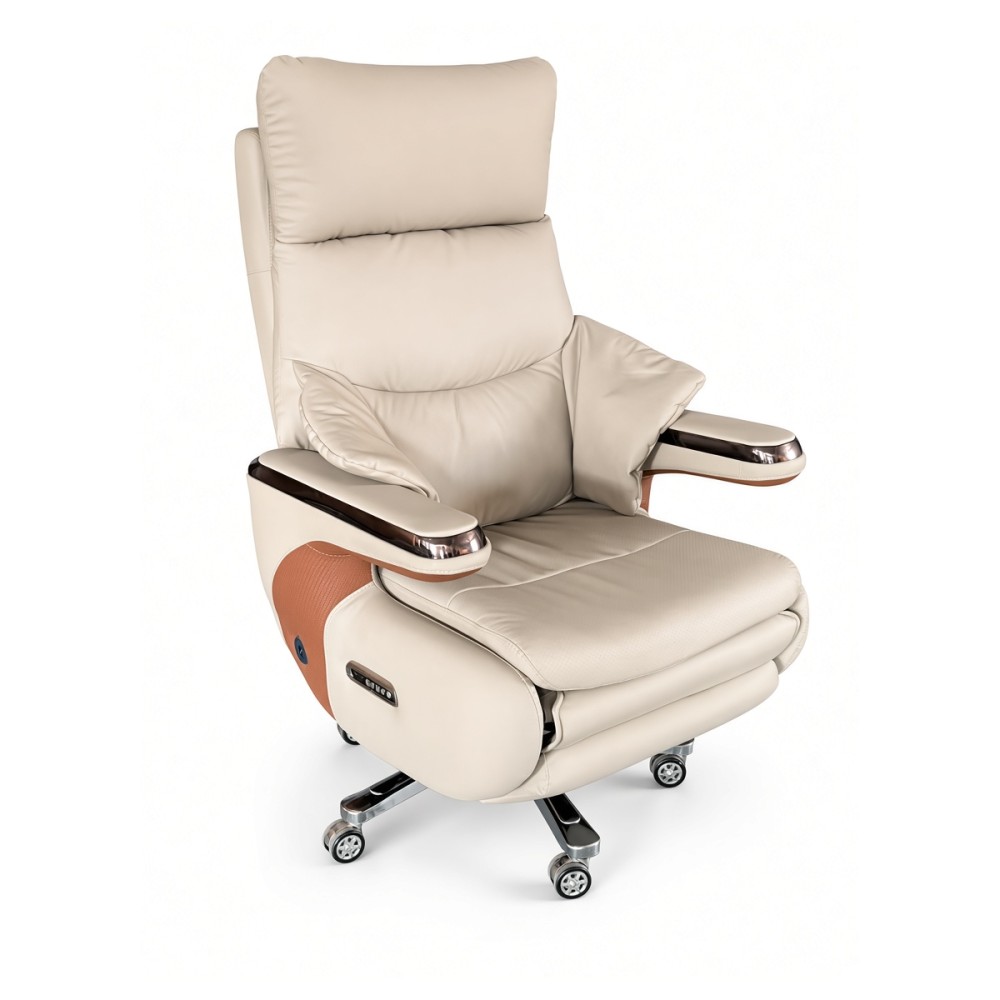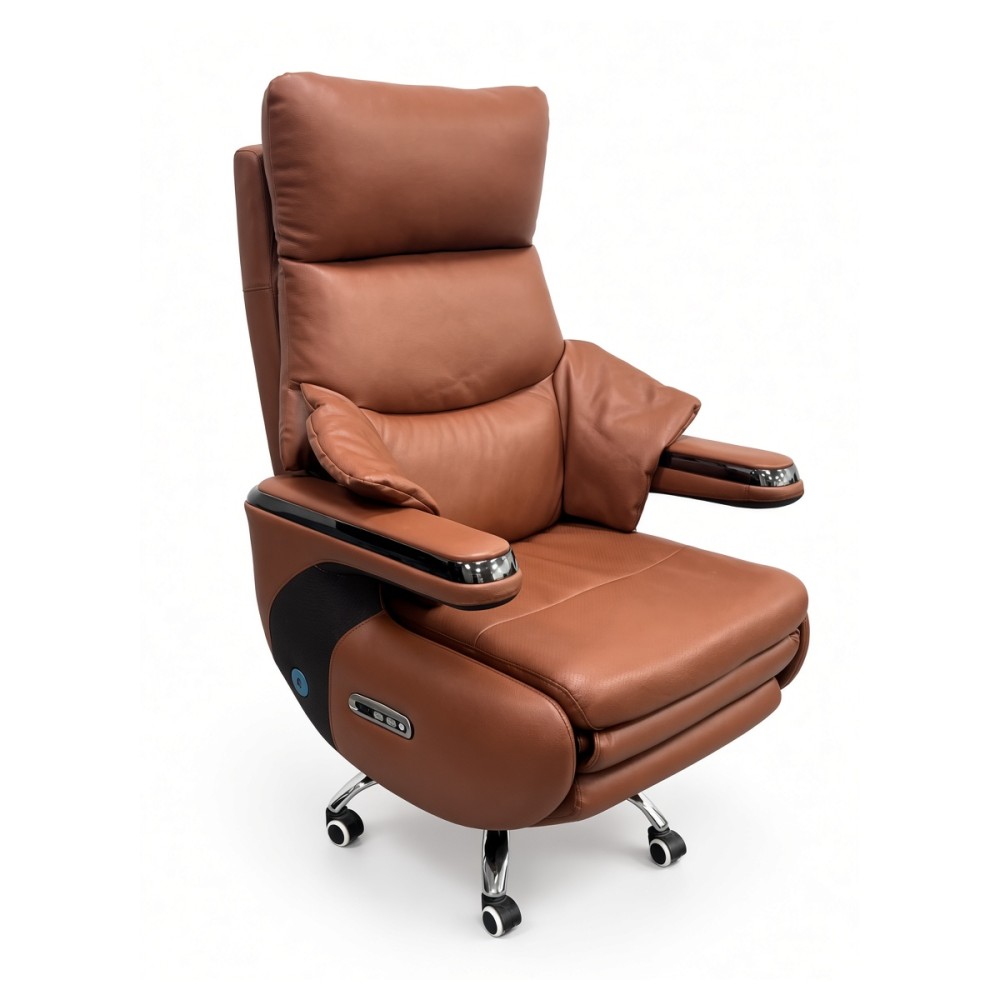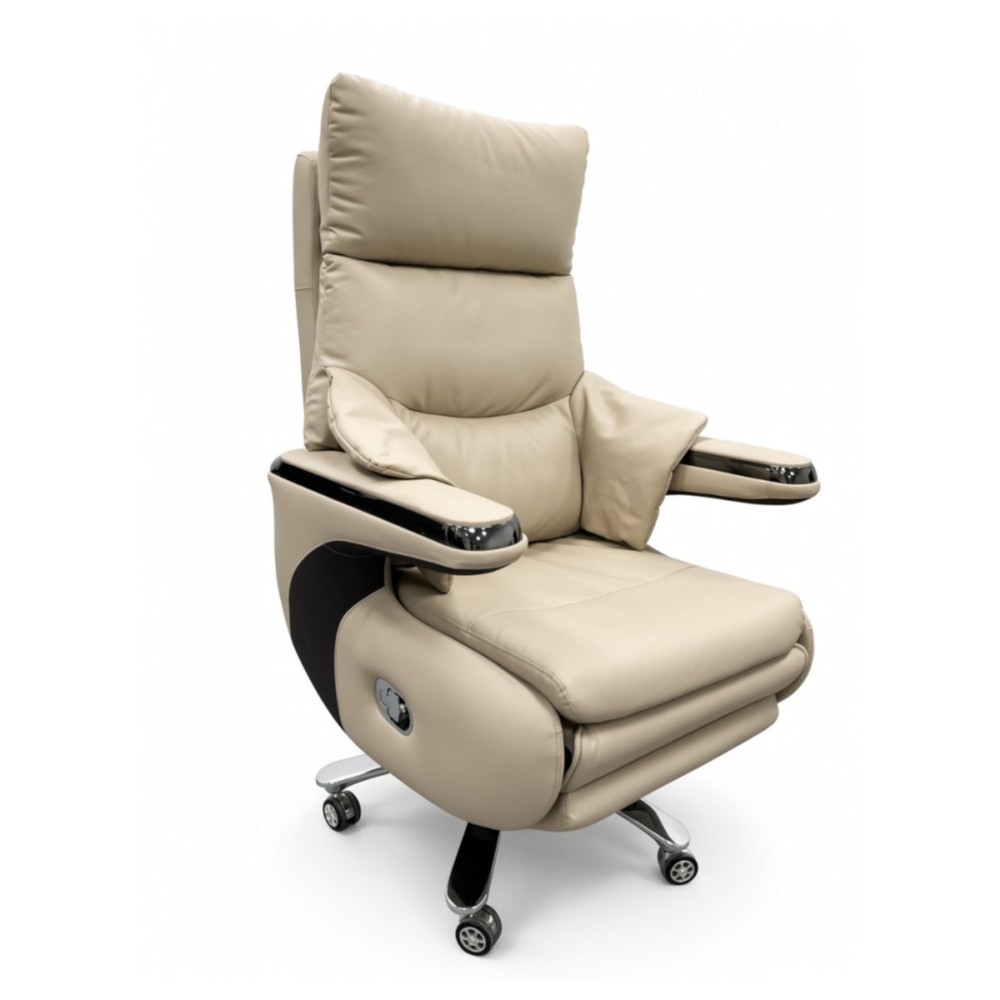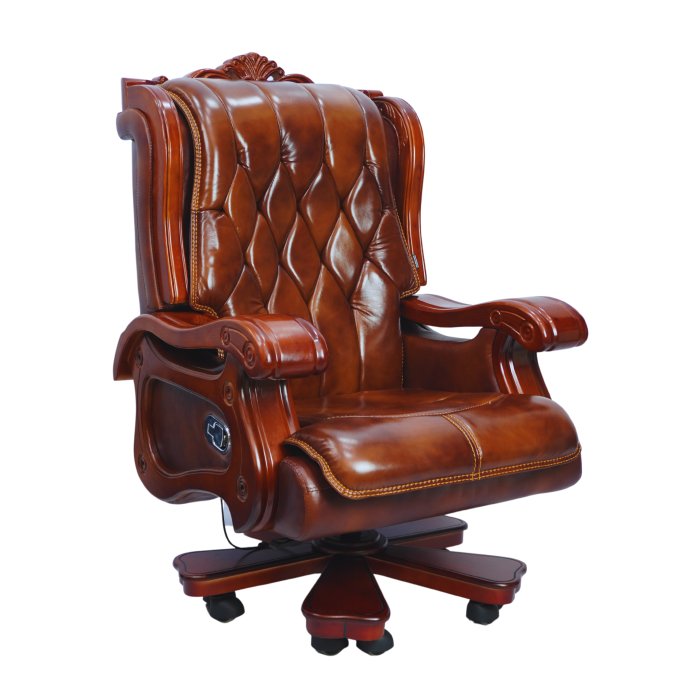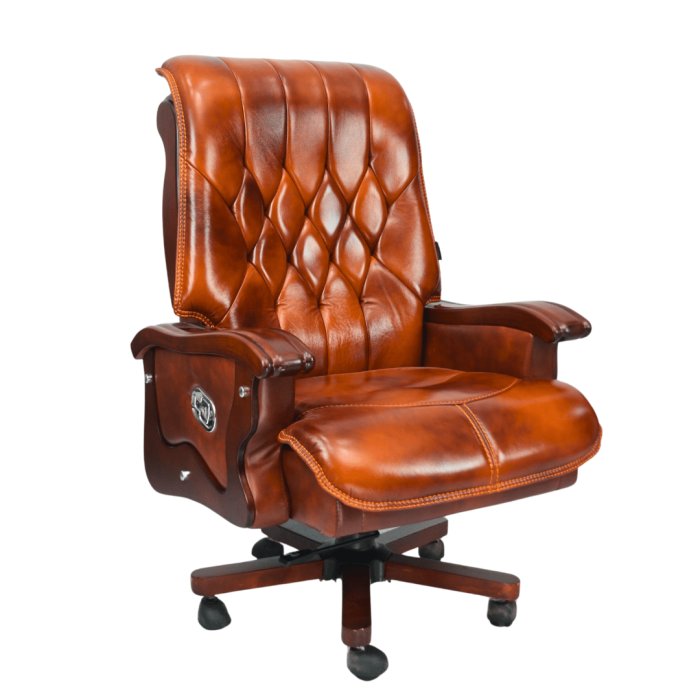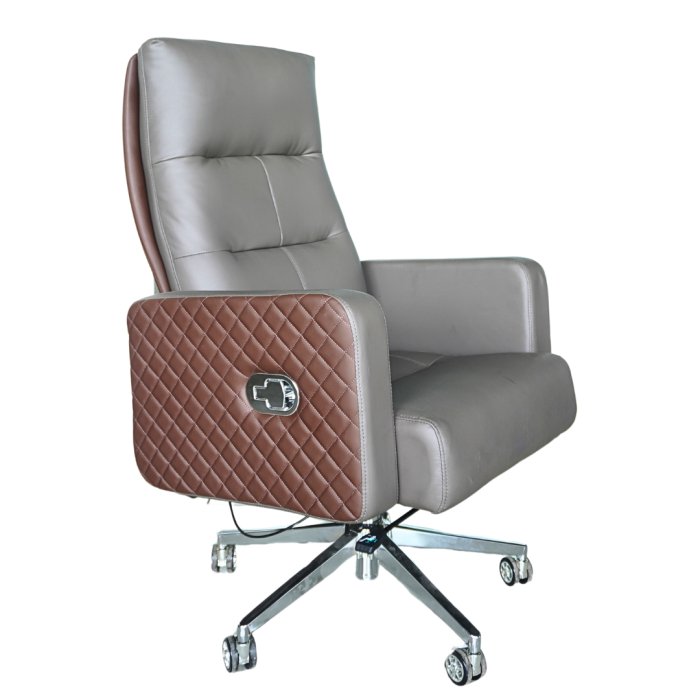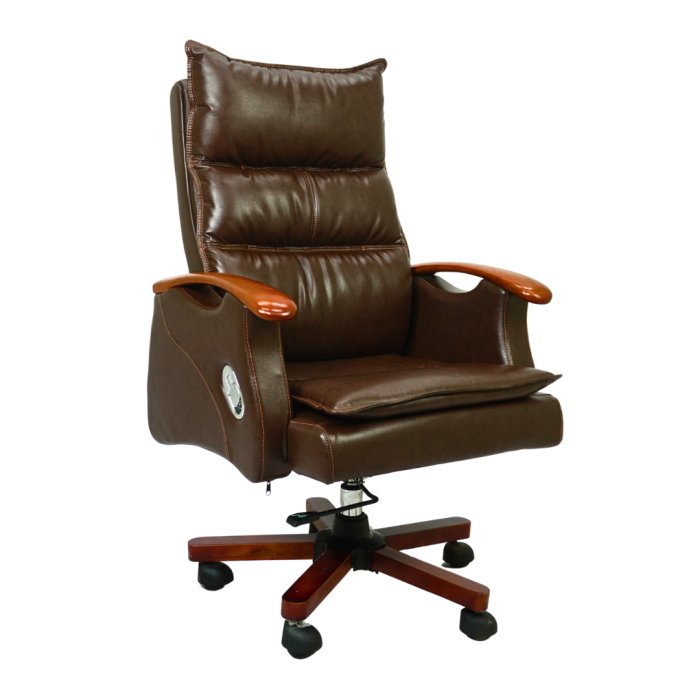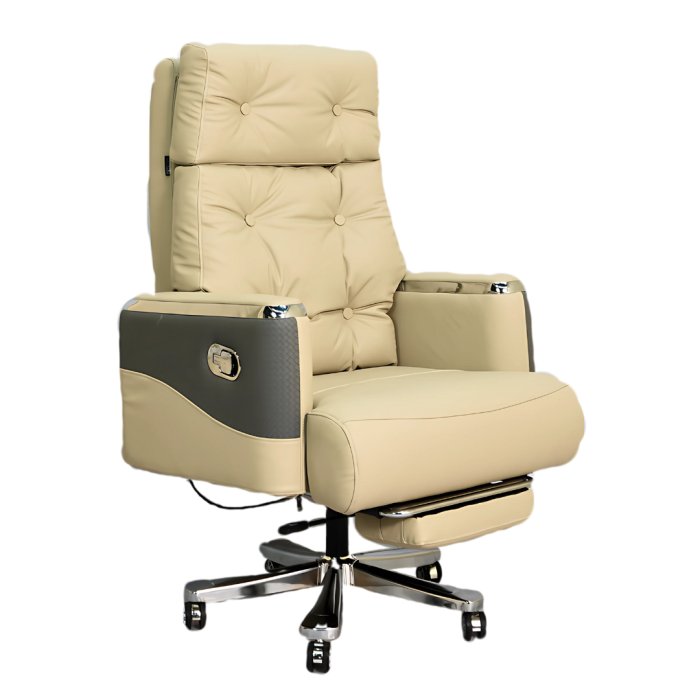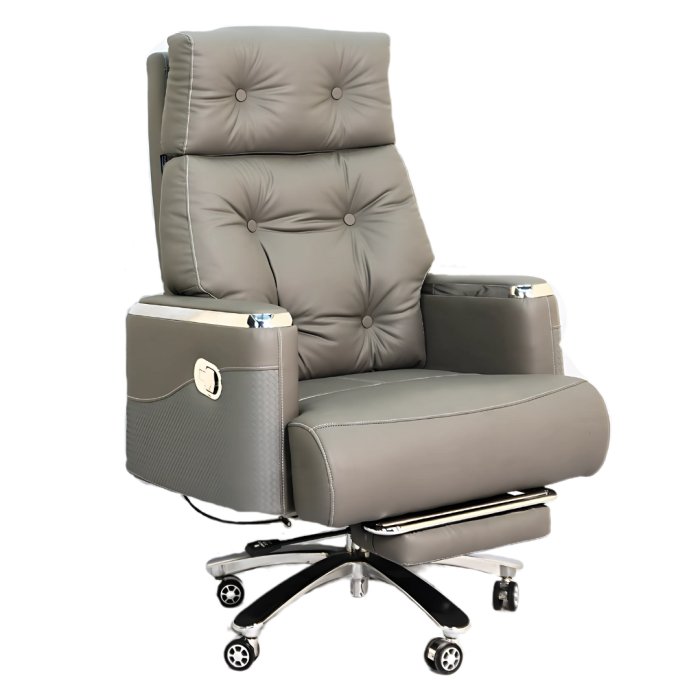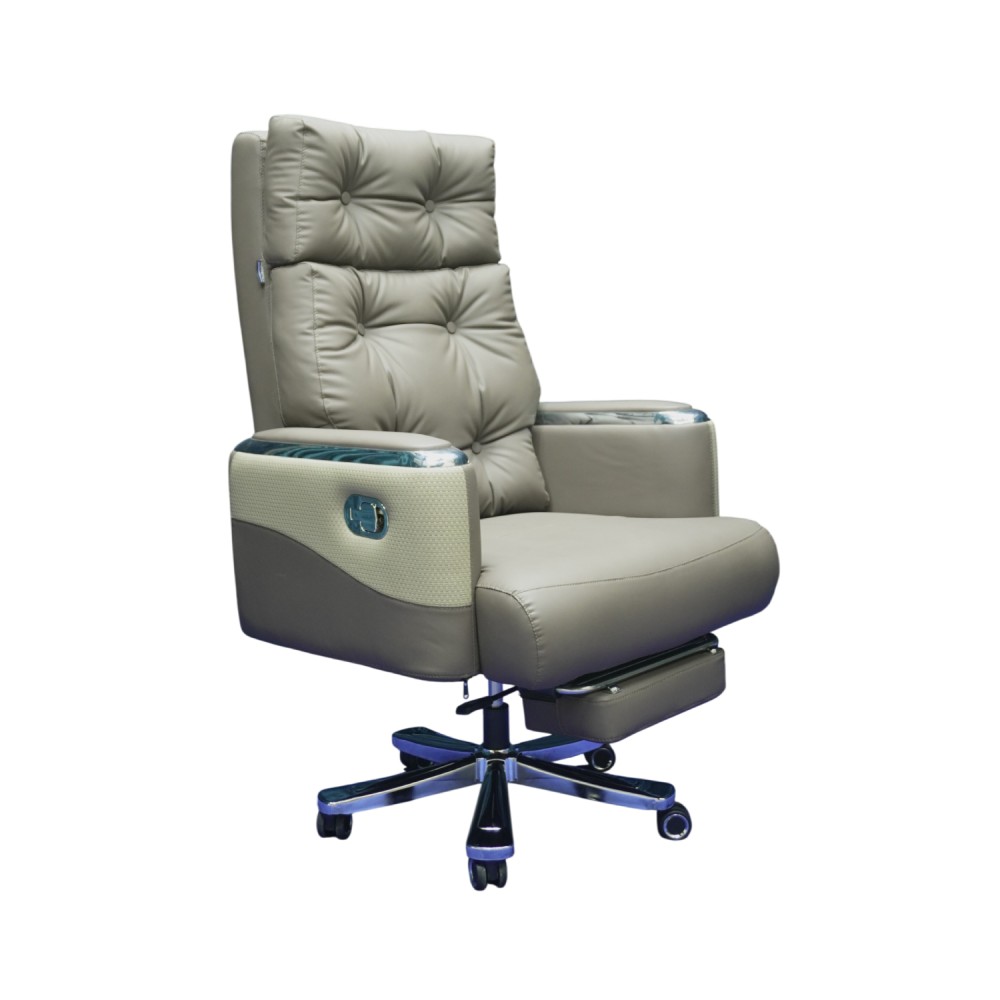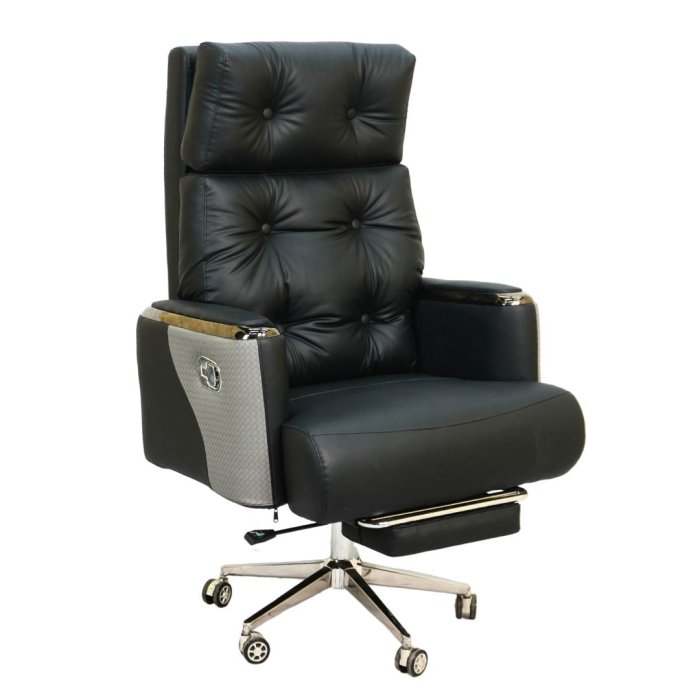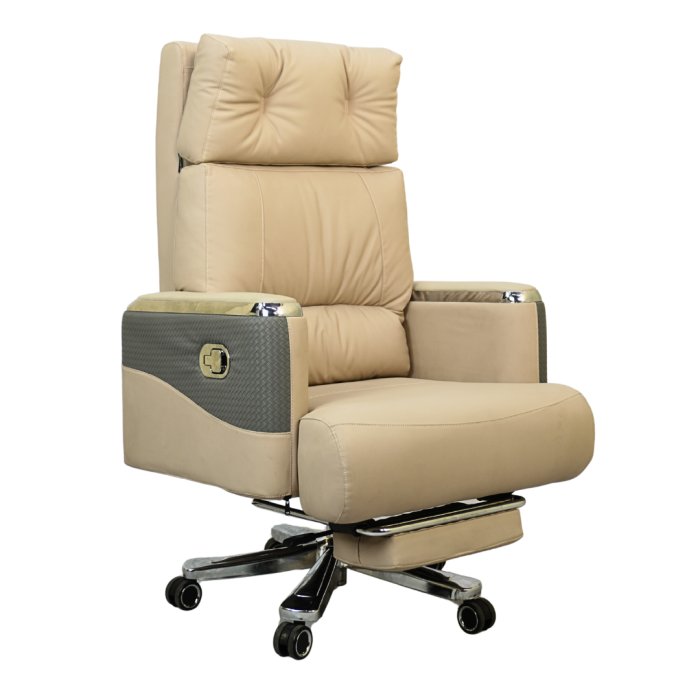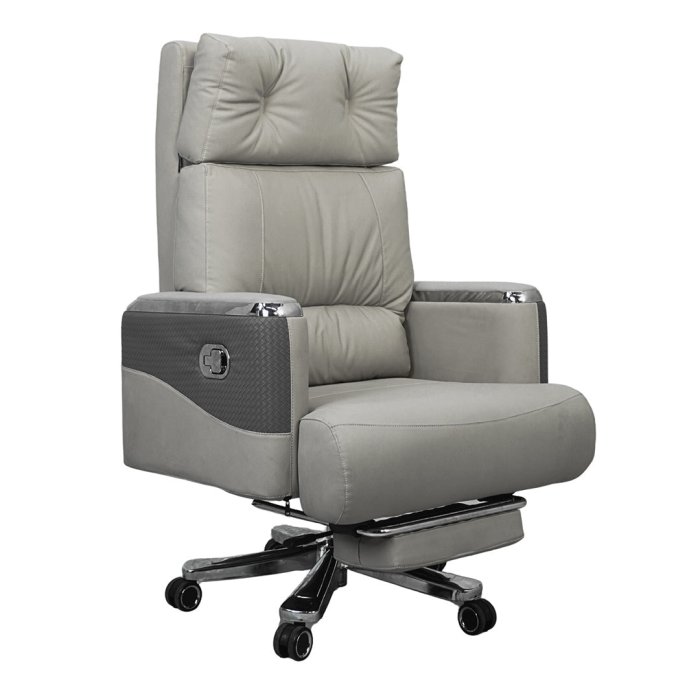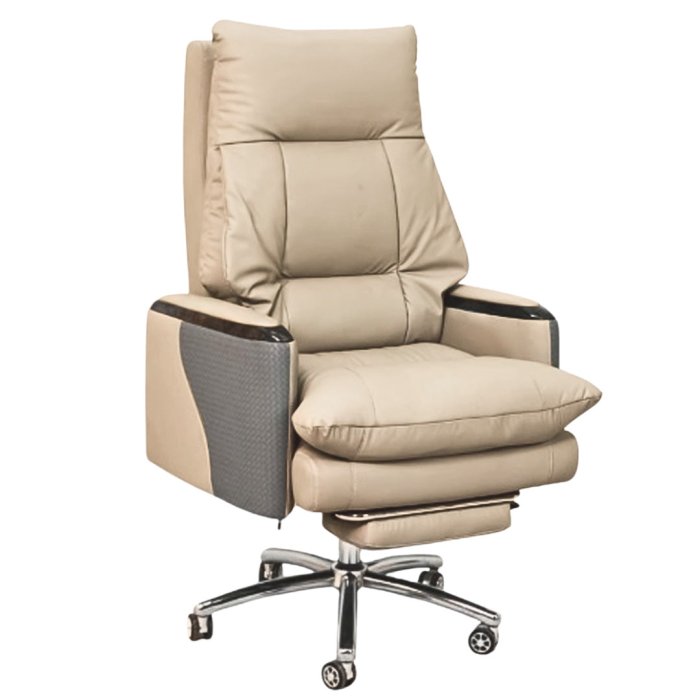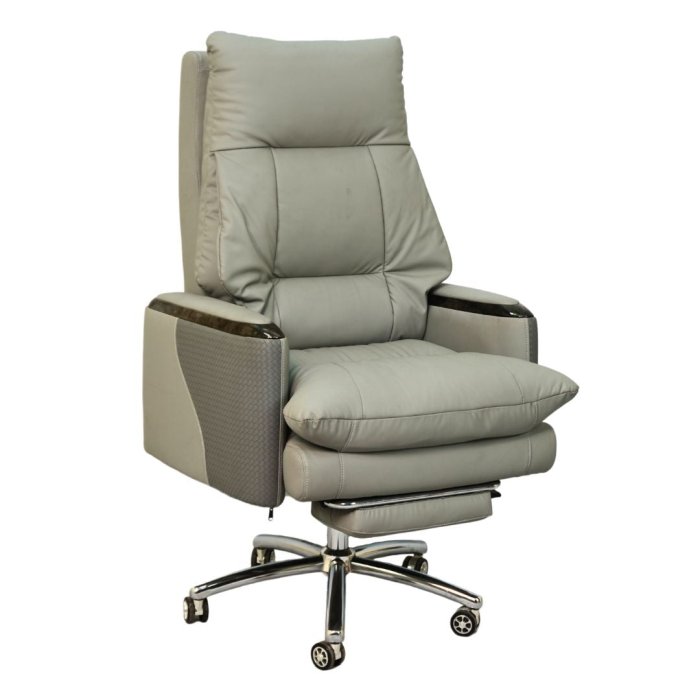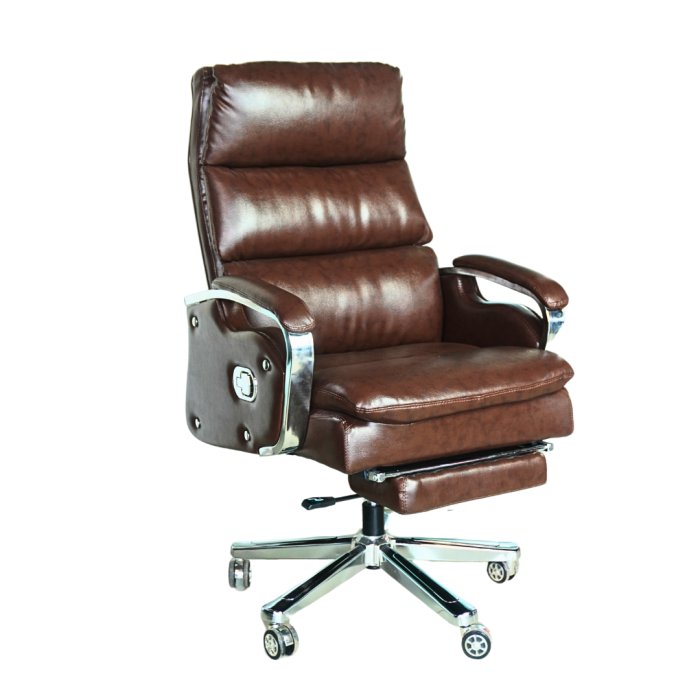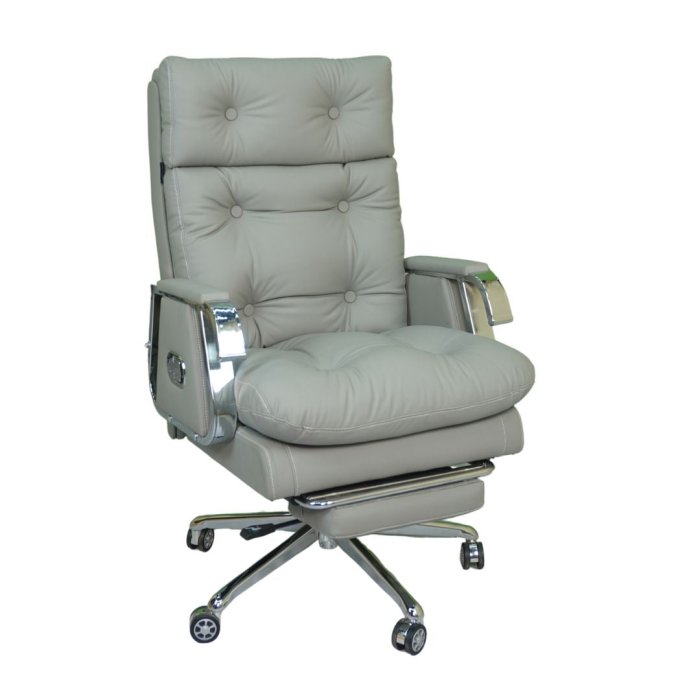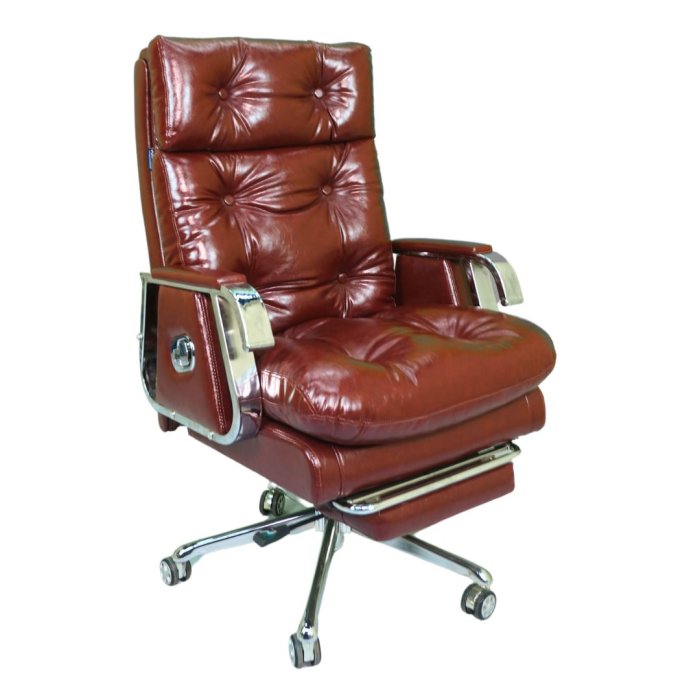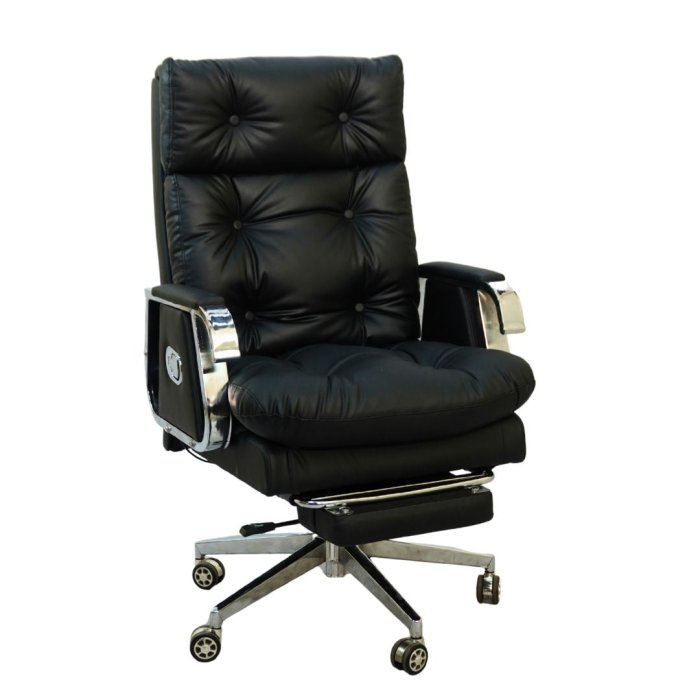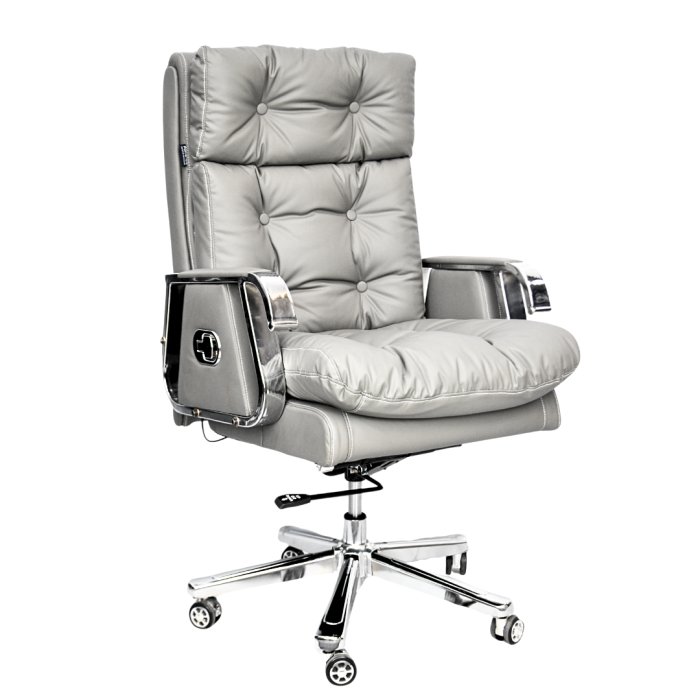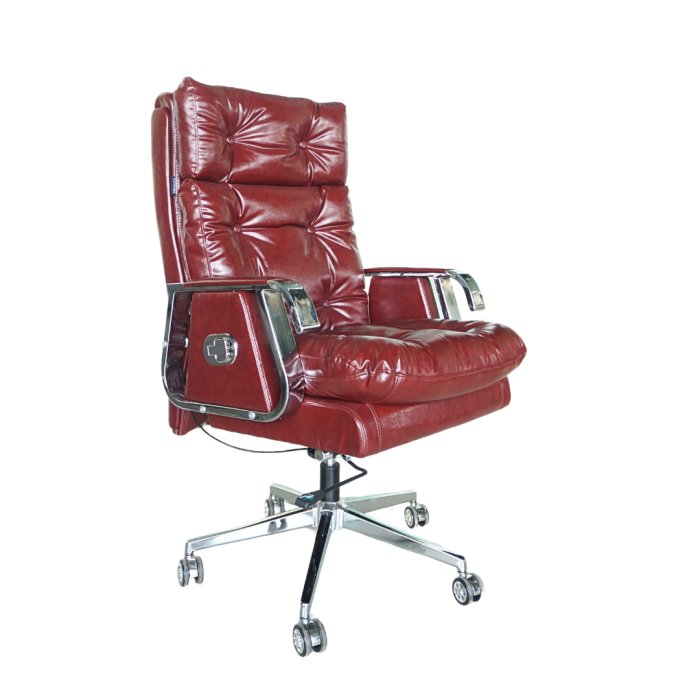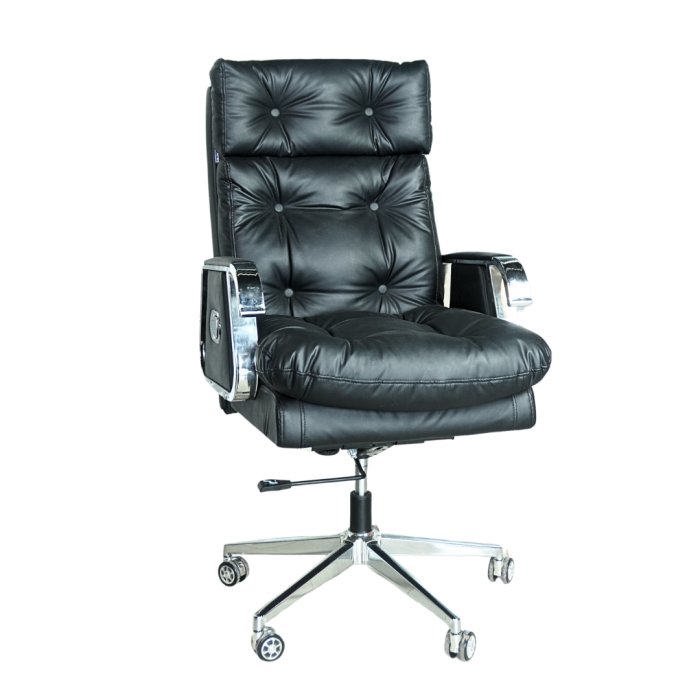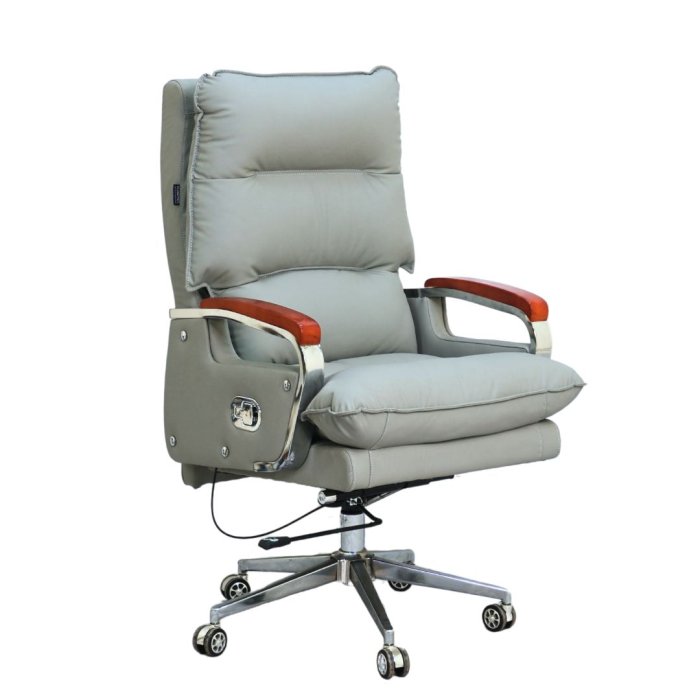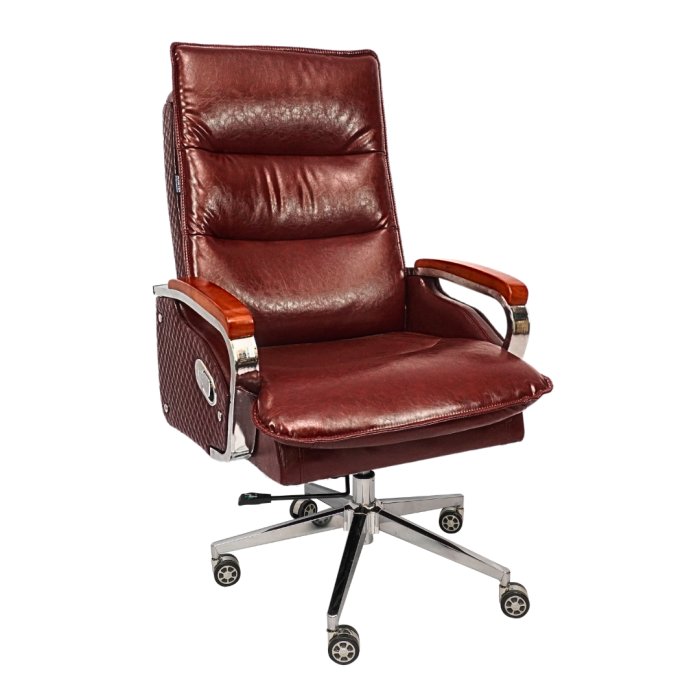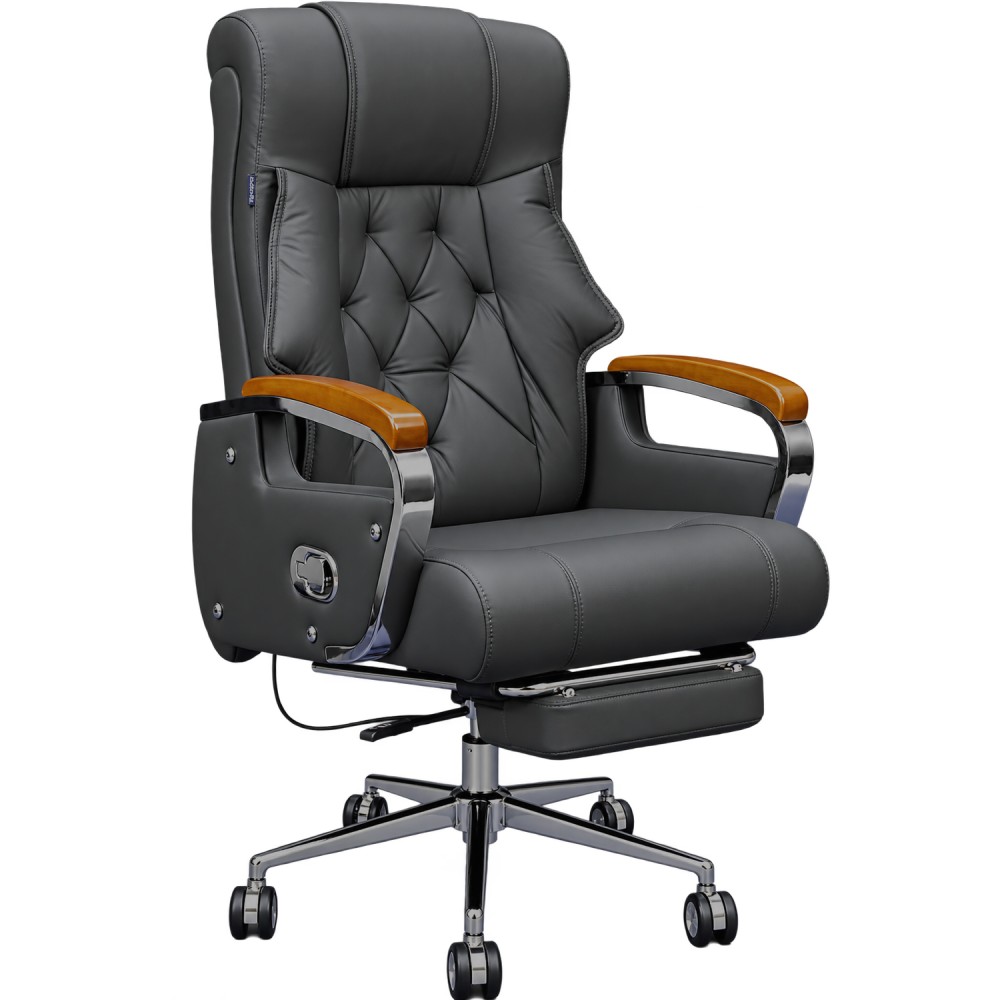
Comfortable Luxury Boss Chair (FT-H186) Black
37544 tk 88400 tk
প্রোডাক্ট কোড: 437
| ঢাকার ভিতরে ডেলিভারি | ৳ 60 |
| ঢাকার বাইরে ডেলিভারি | ৳ 130 |
পন্যের বিবরণ
Build Quality for Daily Office Use
The Comfortable Luxury Boss Chair (FT-H186) is engineered for professionals who spend long hours at their desk. Built with a sturdy frame designed to support regular workplace use, this chair combines practical durability with a professional appearance. The black finish works seamlessly in any office environment, from corporate spaces to home workstations. Every component is chosen to withstand the demands of a busy work schedule.
Whether you're in meetings, working on spreadsheets, or managing multiple tasks throughout the day, this chair is built to perform. The construction prioritizes stability and longevity—key concerns for any business that relies on furniture lasting through years of daily use.
Sizing and Fit at Your Desk
Proper chair sizing matters in the workplace. This boss chair is proportioned for standard desk heights and office setups common in Bangladesh. The seat dimensions accommodate most body types comfortably, allowing you to maintain proper posture throughout your workday. When positioned at your desk, the armrests and backrest align naturally with typical office work surfaces.
Take time to adjust the height and tilt features to match your desk and your body. A well-fitted chair reduces fatigue during long working hours and helps you stay productive from morning to evening. The FT-H186 is designed with these workplace realities in mind.
Comfort for Extended Desk Time
Spending 8 hours or more in a chair requires comfort that doesn't feel like a luxury—it feels like necessity. This chair provides cushioning and support where you need it most. The backrest is contoured to support your spine during typical desk postures, and the seat cushion is padded to reduce pressure points during extended sitting sessions.
The black upholstery is practical for workplace environments. It resists visible dust and wear better than lighter colors, and it maintains a professional look through regular office use. This is a chair built for function first, designed to serve your work needs reliably day after day.
Practical Features for Workplace Operations
The FT-H186 includes standard operational features expected in a professional office chair. Height adjustment allows you to position yourself correctly relative to your desk and computer monitor. The base is stable and supports smooth movement across common office flooring. These aren't flashy features—they're the practical details that make a chair effective in a real workplace.
This is furniture that understands your day: the repetitive tasks, the long focus sessions, the need for reliability. It's designed for managers, professionals, and anyone who needs a chair that performs its job without drawing attention away from yours.
Selection for Bangladesh Offices
Office furniture in Bangladesh needs to be practical and built to last. The Comfortable Luxury Boss Chair meets these expectations with a straightforward design approach. Black is a practical color choice in tropical climates, resisting discoloration while maintaining professional appearance. The build quality supports the heavy use typical of Bangladeshi workplaces where furniture investments need to deliver long-term value.
For office managers and workspace planners, this chair offers consistent quality suitable for individual workstations across your organization. It's a dependable choice when you need furniture that works without complications.
আপনার অফিসের জন্য ব্যবহারিক চেয়ার
কমফোর্টেবল লাক্সারি বস চেয়ার (FT-H186) বাংলাদেশের অফিসের জন্য ডিজাইন করা হয়েছে যেখানে আপনাকে দিনের অধিকাংশ সময় ডেস্কে কাজ করতে হয়। এই চেয়ারটি শক্তিশালী এবং দীর্ঘস্থায়ী—এমন কিছু যা বছরের পর বছর নিয়মিত ব্যবহারে টিকে থাকে। কালো রঙ পেশাদার এবং ব্যবহারিক, যা ধুলাবালি এবং দাগের বিরুদ্ধে ভাল প্রতিরোধ করে। অফিসের যেকোনো পরিবেশে—কর্পোরেট স্পেস হোক বা বাড়ির ওয়ার্কস্টেশন—এই চেয়ার পেশাদার চেহারা বজায় রাখে।
আপনি যখন দীর্ঘ সময় ডেস্কে বসেন, তখন সঠিক চেয়ার পার্থক্য তৈরি করে। FT-H186 আপনার মেরুদণ্ডকে সমর্থন করার জন্য ডিজাইন করা হয়েছে এবং আরামদায়ক প্যাডিং আপনাকে দিনভর স্বাচ্ছন্দ্য দেয়। উচ্চতা সামঞ্জস্য করার সুবিধা আপনার ডেস্ক এবং কম্পিউটার মনিটরের সাথে পুরোপুরি অবস্থান করতে সাহায্য করে। এটি একটি চেয়ার যা বুঝে যে আপনার কাজ কেমন—পুনরাবৃত্তিমূলক কাজ, দীর্ঘ ফোকাস সেশন, এবং নির্ভরযোগ্যতার প্রয়োজন।
অফিস ম্যানেজার এবং ওয়ার্কস্পেস পরিকল্পনাকারীদের জন্য, এই চেয়ারটি আপনার সংস্থার জুড়ে একাধিক ওয়ার্কস্টেশনের জন্য উপযুক্ত। এটি একটি নির্ভরযোগ্য পছন্দ যখন আপনার জটিলতা ছাড়াই কাজ করে এমন আসবাবপত্র প্রয়োজন।