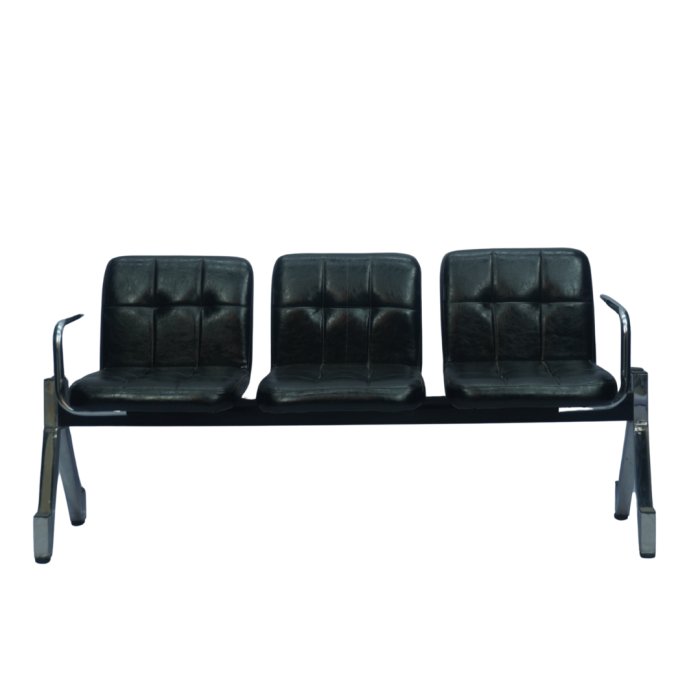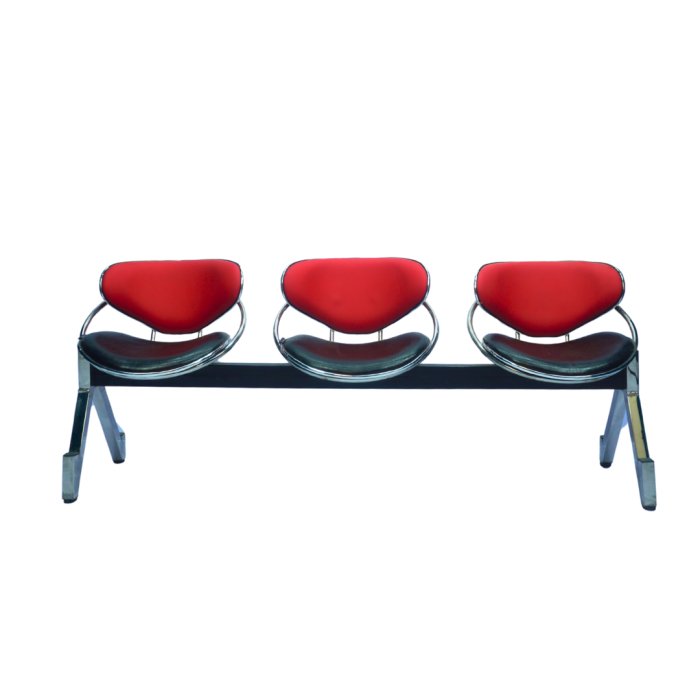
Premium 3-Seater Stainless Steel Visitor Waiting Chair with Cushion Backrest (Red & Black) (FT-WC03)
13104 tk 15600 tk
প্রোডাক্ট কোড: 404
| ঢাকার ভিতরে ডেলিভারি | ৳ 60 |
| ঢাকার বাইরে ডেলিভারি | ৳ 130 |
পন্যের বিবরণ
Professional Waiting Area Seating for Your Office
The Premium 3-Seater Stainless Steel Visitor Waiting Chair is purpose-built for reception areas, waiting rooms, and office lobbies where durability and comfort matter. This three-seat unit combines a robust stainless steel frame with practical cushioning, designed to handle the daily wear of a busy workplace while maintaining a professional appearance.
Whether you're furnishing a corporate office, clinic, bank branch, or service center, this visitor chair meets the practical demands of high-traffic workspaces. The stainless steel construction resists corrosion and is easy to clean—essential for maintaining hygiene standards in professional environments. The red and black color scheme offers a modern aesthetic that works well in contemporary office designs.
Build and Frame Structure
The stainless steel frame provides the backbone of this seating solution. Stainless steel is chosen for office furniture because it withstands daily use, resists rust and discoloration, and requires minimal maintenance. For a workplace that hosts multiple visitors throughout the day, this material choice ensures your investment holds up over time without degrading in appearance or structural integrity.
The three-seater configuration accommodates multiple guests simultaneously, making it ideal for reception desks and waiting areas where several people may need seating at once. The frame is engineered to distribute weight evenly across all seats, supporting consistent use in busy office settings.
Comfort and Cushioning for Daily Use
The cushioned backrest is designed for the kind of short-to-medium duration sitting typical in waiting areas and visitor zones. Unlike home furniture, office waiting chairs don't need to provide all-day comfort—they need to provide adequate support during the typical 15-45 minute wait times common in workplaces. This chair meets that requirement with its padded backrest that encourages proper posture.
The cushioning is integrated into the backrest, providing a softer contact surface than bare metal while maintaining the easy-clean benefits of the stainless steel frame. This combination is practical for offices where cleanliness and durability are equally important.
Sizing and Space Planning for Offices
As a three-seater unit, this chair occupies less floor space than three individual visitor seats while providing the same seating capacity. This makes it efficient for compact reception areas, narrow waiting zones, and office corridors where space is at a premium. When planning your office layout, measure your waiting area and ensure there's enough clearance around the chair for visitors to move comfortably and for cleaning staff to access all sides.
The form factor of a bench-style waiting chair also encourages natural traffic flow—visitors sit and wait without the individual-seat setup that can feel scattered in a professional space. This unified approach to visitor seating reinforces a sense of organization and order in your workplace.
Installation and Maintenance in the Workplace
Setup for the FT-WC03 is straightforward—the stainless steel frame comes assembled or with minimal assembly required. Once in place, maintenance is simple: wipe down with a damp cloth regularly to keep the frame clean and the cushion presentable. Stainless steel doesn't require special treatments or polishing for daily office use.
This low-maintenance approach is valuable in busy workplaces where you need furniture that works reliably without demanding attention. The red and black color scheme also helps hide minor dust or marks that might show more prominently on lighter colors, keeping your waiting area looking neat between cleaning sessions.
আপনার অফিস ওয়েটিং এরিয়ার জন্য পেশাদার সিটিং সমাধান
প্রিমিয়াম ৩-সিটার স্টেইনলেস স্টিল ভিজিটর ওয়েটিং চেয়ার আপনার অফিসের রিসেপশন, ওয়েটিং রুম বা লবিতে দৈনন্দিন ব্যবহারের জন্য তৈরি। এই চেয়ারটি শক্তিশালী স্টেইনলেস স্টিল ফ্রেম এবং আরামদায়ক কুশন ব্যাকরেস্টের সমন্বয় করে, যা ব্যস্ত অফিস পরিবেশে টেকসই এবং পেশাদার চেহারা বজায় রাখে। লাল এবং কালো রঙের সংমিশ্রণ আধুনিক অফিস ডিজাইনের সাথে পুরোপুরি খাপ খায়।
স্টেইনলেস স্টিল তৈরি এই চেয়ারটি কর্মক্ষেত্রে দীর্ঘমেয়াদী ব্যবহারের জন্য উপযুক্ত। এই ধরনের ফ্রেম দৈনিক ব্যবহারে টেকসই, মরিচা এবং বিবর্ণতা থেকে রক্ষা করে, এবং সহজে পরিষ্কার করা যায়—যা পেশাদার পরিবেশে স্বাস্থ্যবিধি বজায় রাখার জন্য অপরিহার্য। তিন-সিটার কনফিগারেশন একসাথে একাধিক দর্শকদের বসার সুবিধা দেয়, যা ব্যস্ত অফিসের জন্য স্থান-কার্যকর সমাধান।
কুশনড ব্যাকরেস্ট অফিস ওয়েটিং এরিয়ায় সাধারণ সময়কালের জন্য পর্যাপ্ত সমর্থন প্রদান করে। রক্ষণাবেক্ষণ সহজ—নিয়মিত স্যাঁতসেঁতে কাপড় দিয়ে মুছে ফেলুন এবং চেয়ারটি সর্বদা উপস্থাপনা যোগ্য থাকবে। স্টেইনলেস স্টিল বিশেষ চিকিত্সা বা পলিশিং দাবি করে না, যা ব্যস্ত কর্মক্ষেত্রের জন্য আদর্শ।